Application case of integrated stepper servo motor in automotive wiring harness welding equipment

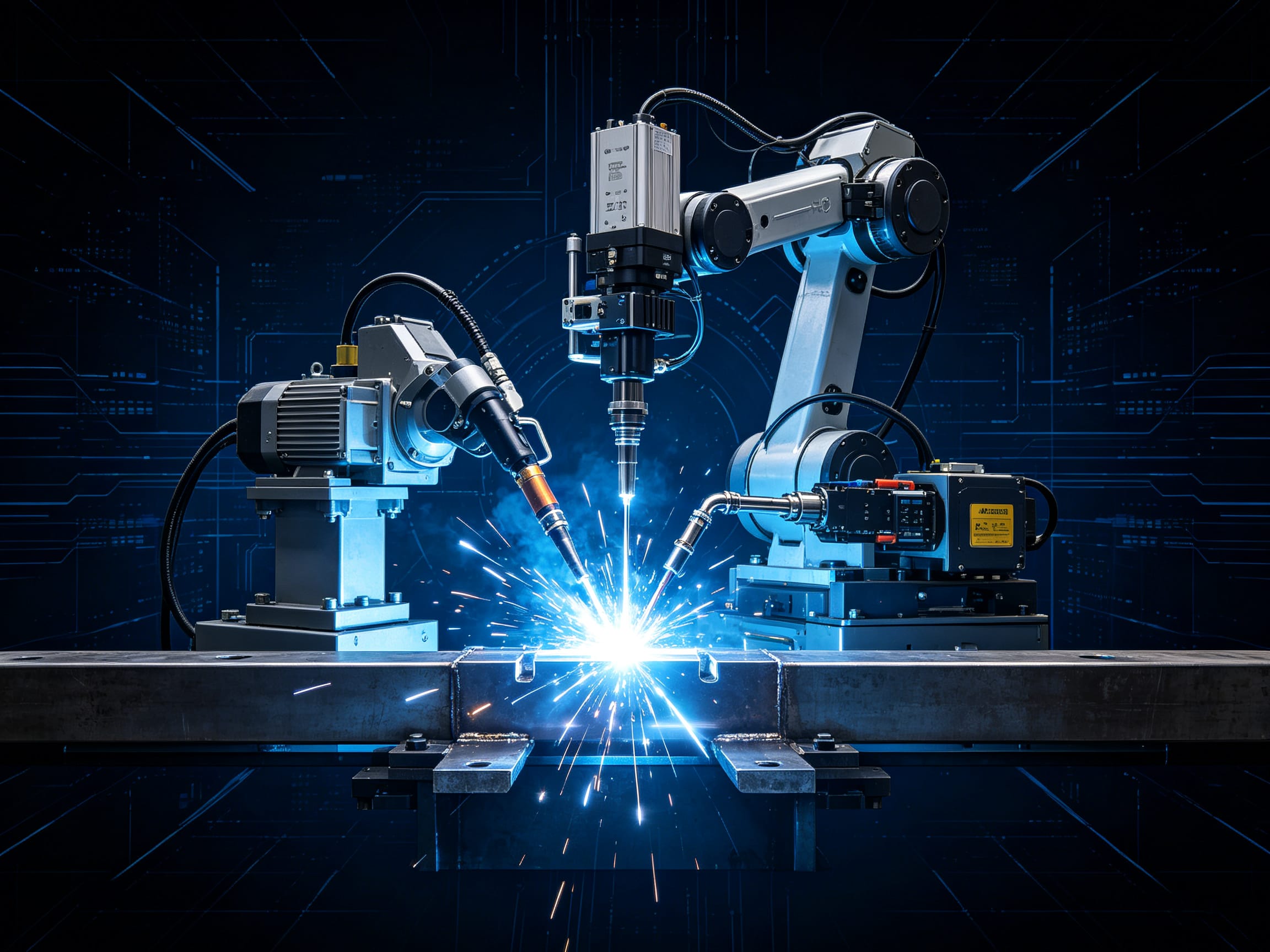
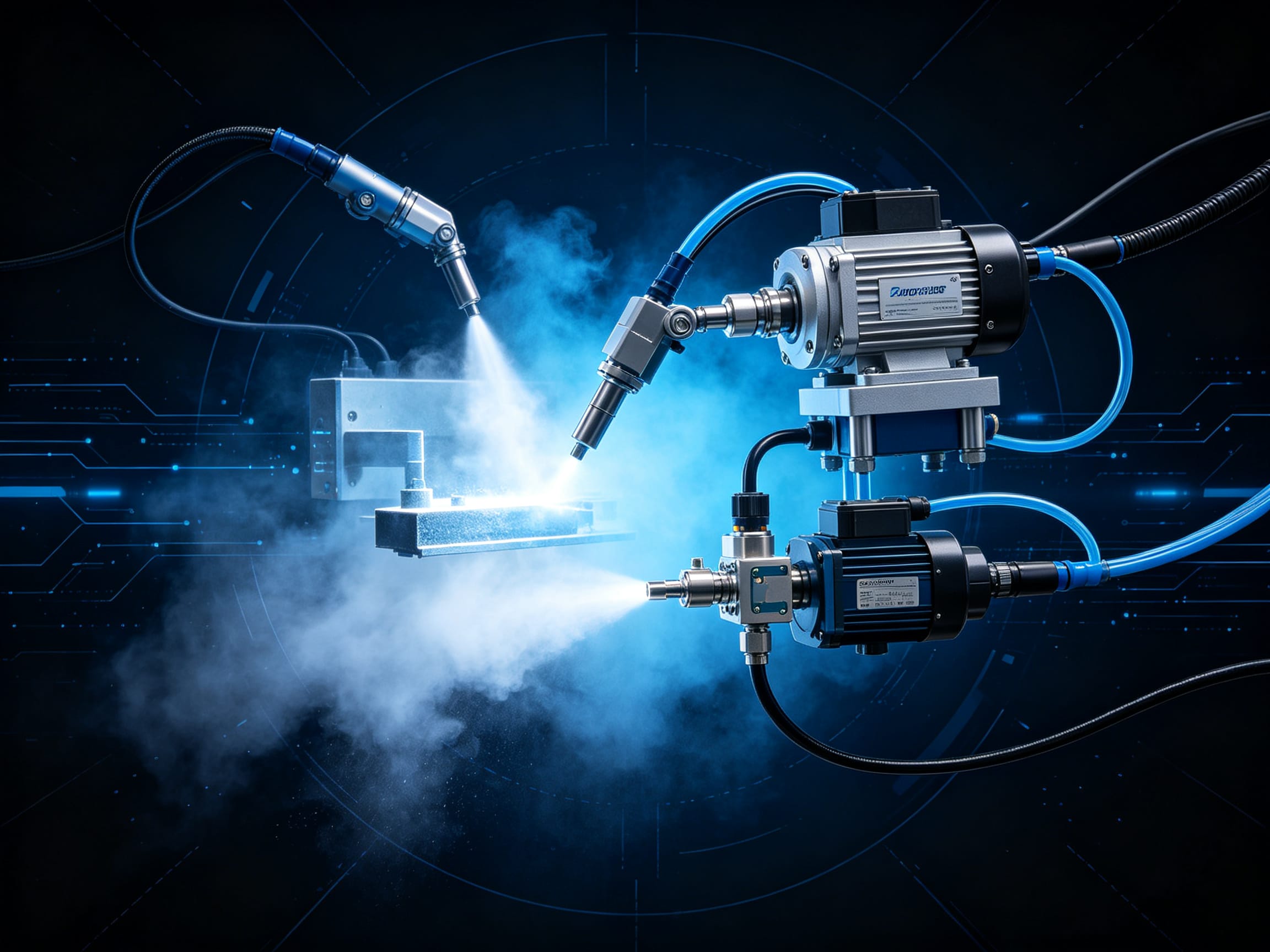
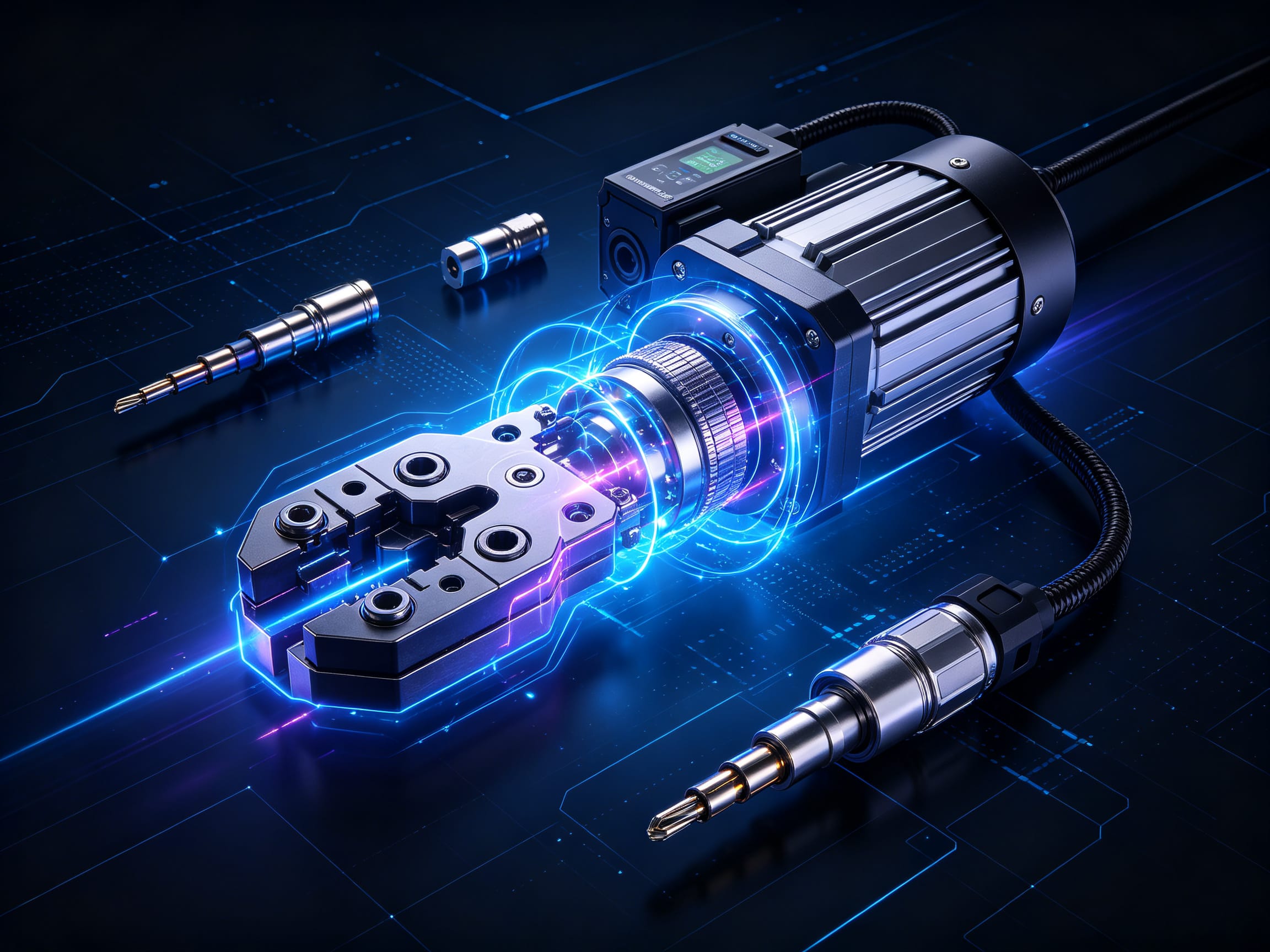
In the automotive manufacturing industry, wire harness welding is a critical process for ensuring electrical system reliability. To address the limitations of traditional welding equipment, such as insufficient positioning accuracy and poor operational stability, the STM42 series integrated stepper servo motors are employed. By optimizing the positioning mode and origin return function, the positioning accuracy and anti-interference capabilities of the welding equipment are significantly improved.
1. Equipment Overview

Automotive wire harness welding equipment is primarily used for crimping wires and terminals. Key requirements include:
1. High repeatability: Terminal welding position error must be controlled within ±0.05mm.
2. Impact resistance: Welding offset caused by mechanical vibration must be avoided during frequent start-stop operations.
3. Fast response: The welding cycle must be ≤1.2 seconds per point, requiring high-speed and stable motor operation.
2. Application Solutions and Products
_20250830114256A007.jpg)
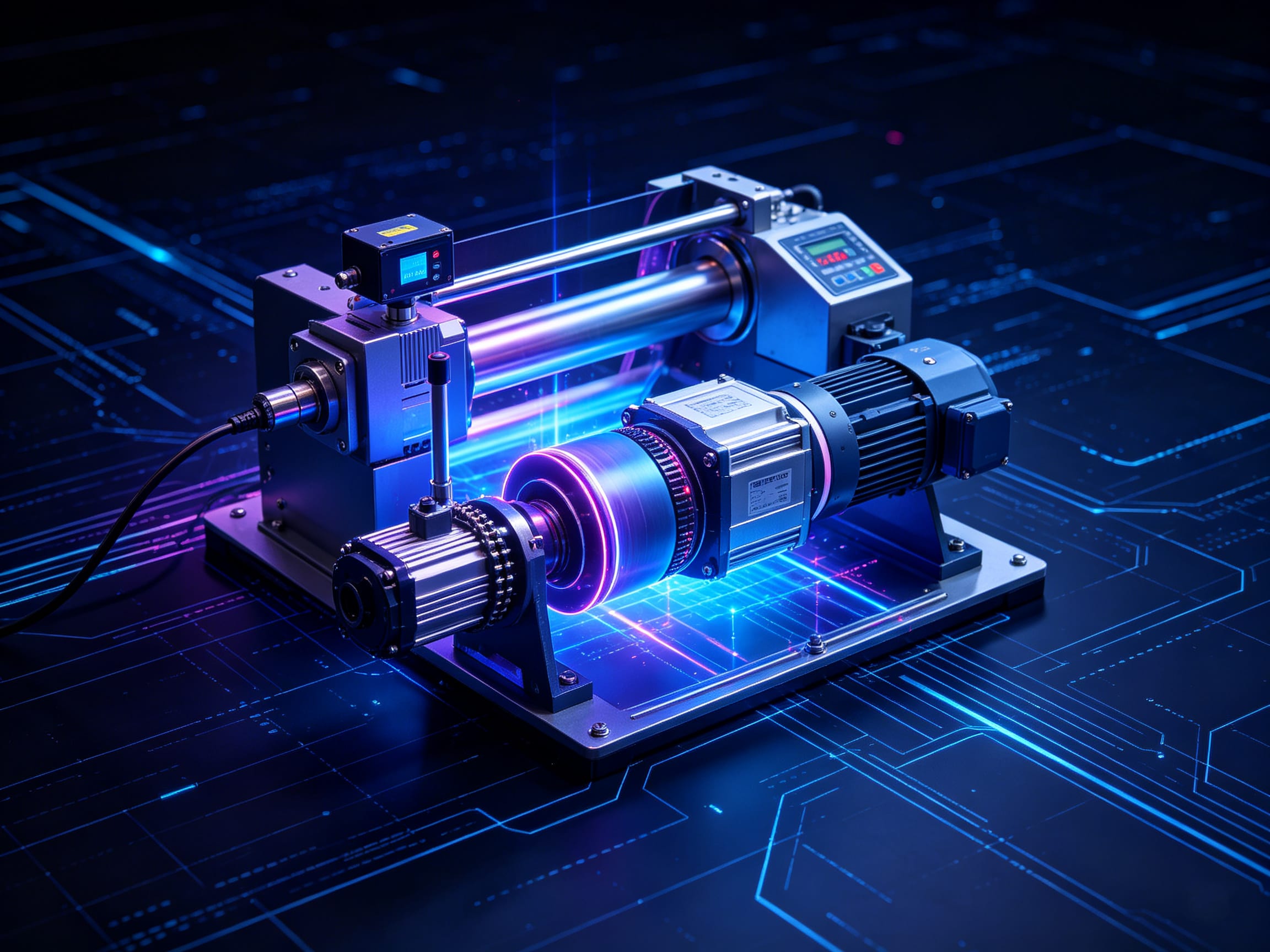
• Servo Motor Model: STM4234B-485-M-0FSB (integrated design, supporting Modbus-RTU protocol)
• Control Mode: Position mode (precise control of welding gun trajectory) + Home Return mode (automatic calibration of the mechanical zero point)
• Transmission Mechanism: High-rigidity reducer directly connected to the flange to eliminate transmission backlash
• Communicates with the PLC via the RS485 bus to receive real-time welding position commands
• Dual limit switches Protection mechanisms (soft limit + hard limit) prevent overtravel damage to the equipment.
3. Problems and Solutions
Problems Encountered
1. Overcurrent in Origin Mode
A sudden current surge during high-speed return to origin triggered a protective shutdown.
2. Operational Jam
Periodic pauses occurred during welding.
Solution
Reduced the return speed to 30% of the rated value and decelerated in stages.
Recalibrated the reducer mounting flange to eliminate mechanical backlash.
4. Application Results
1. Improved Accuracy: Welding position repeatability reached ±0.03mm, reducing scrap by 70%.
2. Enhanced Stability: Continuous operation for 8 hours without jamming, increasing Overall Equipment Effectiveness (OEE) by 45%.
3. Reduced Maintenance Costs: After adjusting the mechanical structure, transmission component wear was reduced by 60%.
5. Summary
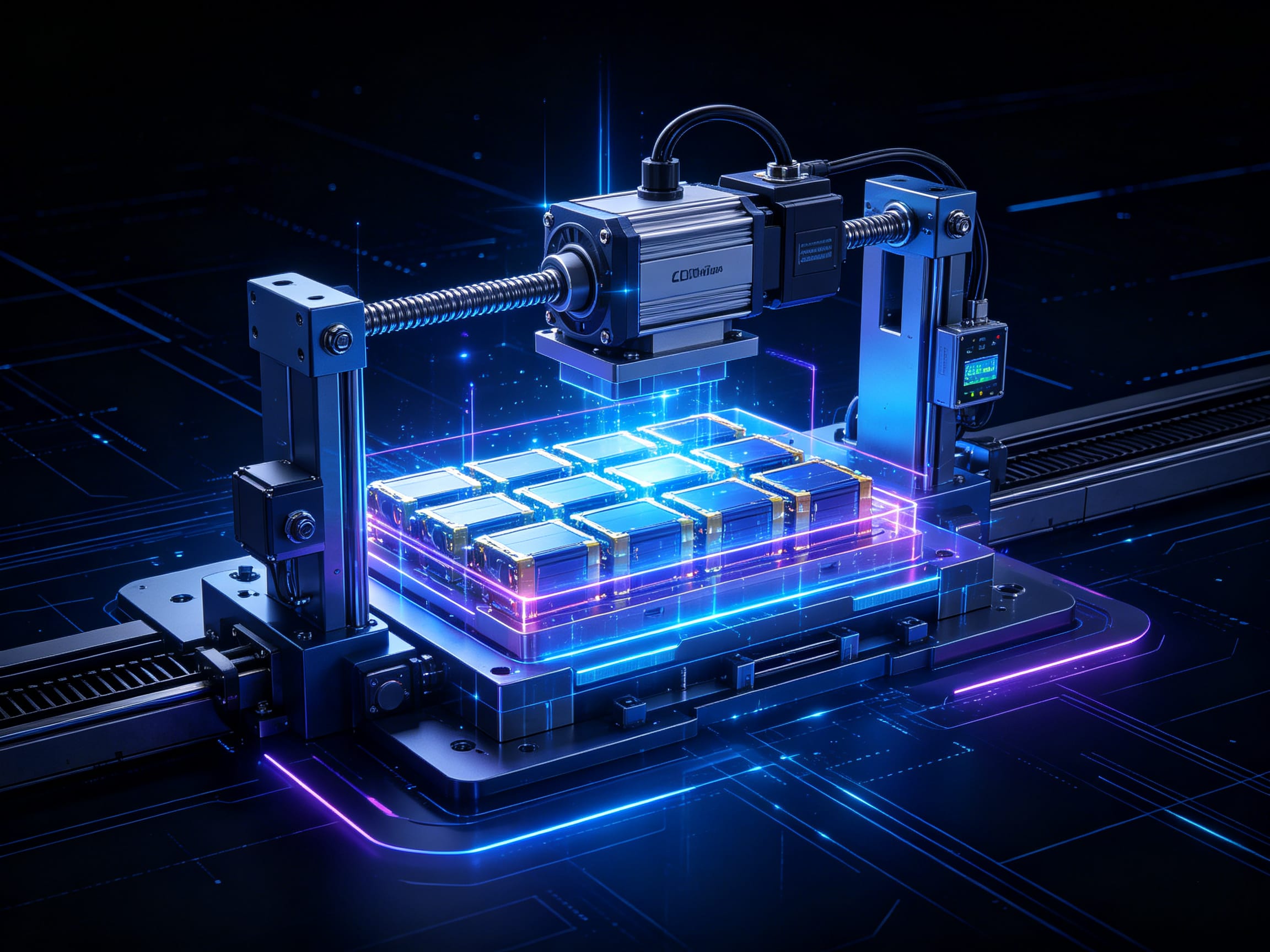
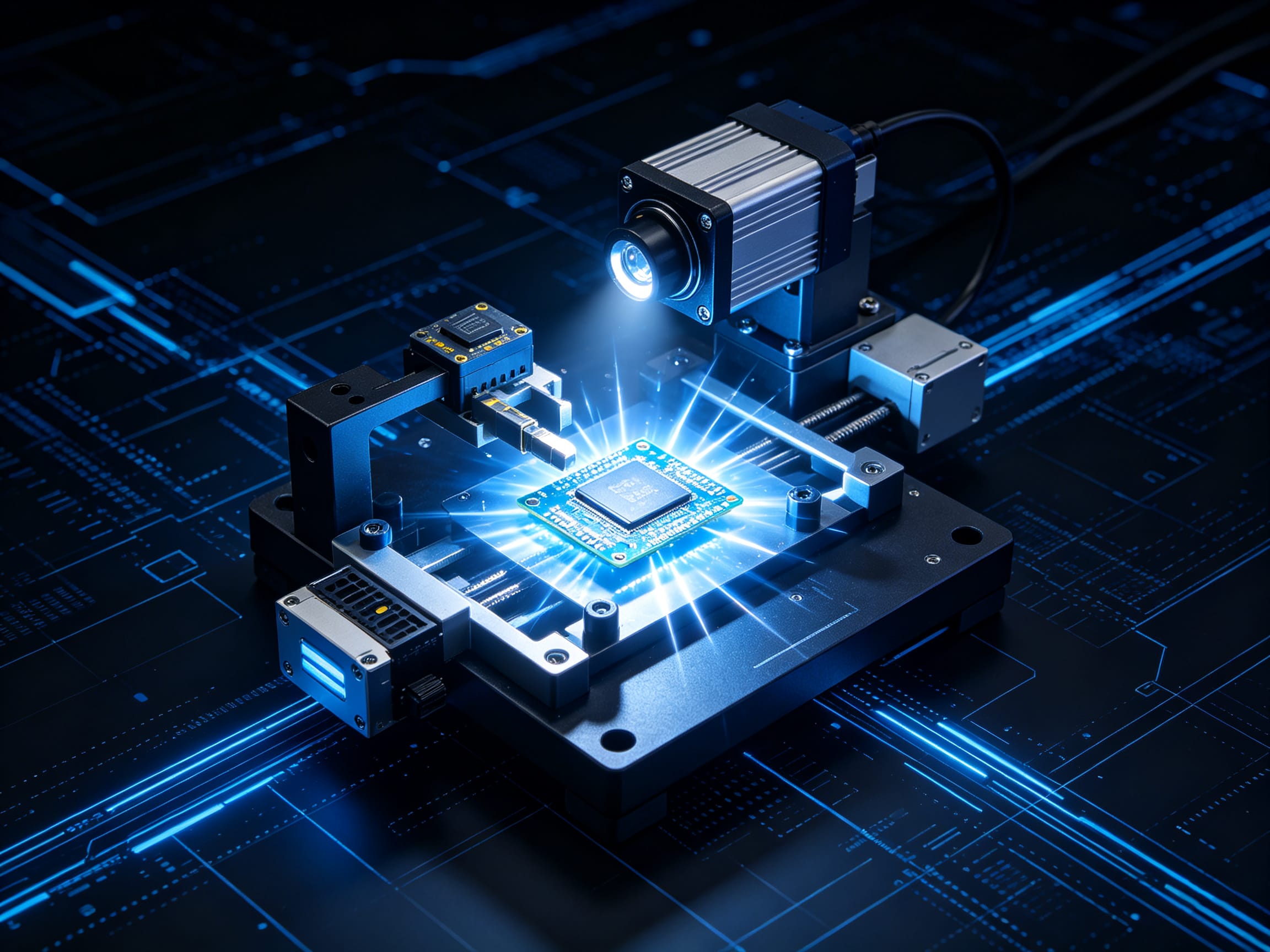
The application of the STM42 series integrated stepper servo motor has overcome the technical bottlenecks of high-speed positioning and shock resistance in automotive wire harness welding equipment. This case verified the reliability of the integrated servo motor under short-stroke, high-cycle conditions, providing a standardized solution for automotive electronics manufacturing equipment. In the future, it can be expanded to precision scenarios such as battery welding and sensor assembly.