
How Servo Actuators Work: A Comprehensive Guide to Actuator Design, Servo Driver Function, and Industrial Applications
LMS_Kim2026-03-2666 views
In the world of automation, robotics, aerospace, and industrial manufacturing, precision is everything. From the tiny movements of a robotic arm in a medical lab to the heavy-duty positioning of a CNC machine on a factory floor, the ability to control motion with accuracy, speed, and reliability defines the success of countless applications. At the heart of this precise motion control lies the servo actuator—a sophisticated device that bridges the gap between electrical signals and mechanical movement. But to truly understand how servo actuators work, we must first break down their core components, their operating principles, and the critical role of the Servo Driver in optimizing performance. Additionally, we’ll explore how servo actuators fit into the broader category of Actuator technologies, highlighting their unique advantages and applications across industries.
This guide is designed to be accessible to both beginners and industry professionals, with clear explanations, practical examples, and optional lists to reinforce key concepts. Whether you’re researching servo systems for a project, troubleshooting an existing setup, or simply curious about how these devices power modern automation, this article will provide a thorough overview of how servo actuators work—from the basics of their design to the advanced control mechanisms that make them indispensable in today’s technology-driven world.
1. What Is an Actuator? The Foundation of Motion Control
Before diving into servo actuators specifically, it’s essential to understand the broader term: Actuator. An actuator is a mechanical or electro-mechanical device that converts energy (typically electrical, hydraulic, or pneumatic) into controlled mechanical motion. In simple terms, an actuator is the “mover” of a system—it takes a signal from a controller and translates it into physical movement, such as linear motion (back-and-forth), rotary motion (spinning), or oscillatory motion (rocking). Without actuators, automation as we know it would not exist; they are the backbone of any system that requires controlled movement.
1.1 Types of Actuators: A Quick Overview
Actuators come in various types, each designed for specific applications based on factors like load capacity, precision, speed, and environmental conditions. The most common categories include:
-
Electrical Actuators: These convert electrical energy into mechanical motion. They are the most widely used type in modern automation due to their efficiency, precision, and ease of control. Subtypes include servo actuators, stepper actuators, and DC/AC motor actuators.
-
Hydraulic Actuators: These use hydraulic fluid (typically oil) to generate force and motion. They are ideal for high-load applications, such as heavy machinery, construction equipment, and aerospace systems, where large forces are required.
-
Pneumatic Actuators: These use compressed air to drive motion. They are lightweight, cost-effective, and suitable for applications with lower load requirements, such as packaging machines, valves, and simple robotic systems.
-
Mechanical Actuators: These rely on mechanical mechanisms (e.g., gears, screws, levers) to convert motion from one form to another. Examples include lead screw actuators and rack-and-pinion actuators.
-
Thermal Actuators: These use thermal expansion (e.g., shape memory alloys) to generate motion, often used in small-scale applications like thermostats or medical devices.
Among these, servo actuators stand out for their exceptional precision, responsiveness, and closed-loop control—features that make them the top choice for applications where accuracy is non-negotiable. But what sets a servo actuator apart from other electrical actuators? The answer lies in its integration of a servo motor, a feedback system, and a Servo Driver.
2. What Is a Servo Actuator? Key Components and Design

A servo actuator is a type of electrical actuator that uses closed-loop control to achieve precise control of position, velocity, and torque. Unlike open-loop actuators (e.g., stepper motors), which move based on pre-programmed steps without verifying their position, servo actuators continuously monitor their actual position and adjust their movement to match the desired setpoint. This closed-loop feedback is what makes servo actuators so accurate—even in the face of external loads, friction, or wear.
A typical servo actuator consists of four core components, each working in harmony to deliver precise motion:
2.1 Core Components of a Servo Actuator
-
Servo Motor: The “engine” of the actuator, responsible for converting electrical energy into mechanical motion. Servo motors are typically brushless DC (BLDC) or AC induction motors, chosen for their high efficiency, low noise, and ability to deliver precise torque and speed control. Unlike standard motors, servo motors are designed to operate in a closed-loop system, meaning they work in tandem with a feedback device to adjust their performance.
-
Feedback Device: The “eyes” of the servo actuator, which monitors the actual position, velocity, or torque of the motor’s output shaft. Common feedback devices include encoders (rotary or linear), potentiometers, and resolvers. The feedback device sends real-time data back to the Servo Driver, allowing the system to compare the actual motion to the desired motion and make corrections.
-
Servo Driver: The “brain” of the servo actuator, which acts as an intermediary between the controller (e.g., PLC, microcontroller) and the servo motor. The Servo Driver receives a command signal (e.g., position, speed, torque) from the controller, processes it, and sends the appropriate electrical signals to the servo motor to achieve the desired motion. It also uses feedback from the feedback device to adjust the motor’s operation in real time, ensuring accuracy.
-
Mechanical Transmission (Optional): In many cases, the servo motor’s output motion is modified by a mechanical transmission system to meet the application’s requirements. Common transmissions include gears, lead screws, belts, and pulleys, which can increase torque, reduce speed, or convert rotary motion to linear motion.
Each of these components plays a critical role in the servo actuator’s operation, but the Servo Driver is particularly important—it is the component that enables closed-loop control and ensures the actuator responds accurately to commands. Without a properly functioning Servo Driver, even the most advanced servo motor and feedback device would fail to deliver the precision that defines servo actuators.
3. The Role of the Servo Driver: How It Powers Servo Actuators
To understand how servo actuators work, you must first understand the role of the Servo Driver. The Servo Driver is a specialized electronic device that controls the servo motor’s speed, position, and torque by regulating the electrical current and voltage supplied to the motor. It acts as a bridge between the controller (which issues commands) and the servo motor (which executes the motion), and it uses feedback from the feedback device to correct any deviations from the desired setpoint.
3.1 What Does a Servo Driver Do?
The primary functions of a Servo Driver include:
-
Receiving Command Signals: The Servo Driver accepts input signals from a controller (e.g., pulse-width modulation (PWM), analog voltage, digital commands via Ethernet or CAN bus). These signals specify the desired position, speed, or torque of the servo actuator.
-
Processing Feedback Signals: The Servo Driver receives real-time feedback from the feedback device (e.g., encoder) about the motor’s actual position, velocity, or torque. It compares this feedback to the command signal to calculate the error (i.e., the difference between the desired and actual motion).
-
Regulating Motor Power: Based on the error calculation, the Servo Driver adjusts the electrical current and voltage supplied to the servo motor. This adjustment ensures that the motor moves to correct the error—for example, if the motor is behind the desired position, the Servo Driver increases the current to speed up the motor; if it’s ahead, it decreases the current to slow it down.
-
Implementing Control Algorithms: Servo Drivers use advanced control algorithms (e.g., PID control, proportional-integral-derivative) to optimize the motor’s performance. These algorithms ensure that the actuator responds quickly to commands, minimizes overshoot (where the motor moves past the desired position), and maintains stability even under varying loads.
-
Protecting the Motor and System: Servo Drivers include built-in protection features to prevent damage to the servo motor and the overall system. Common protection features include overcurrent protection, overvoltage protection, overheating protection, and stall protection (which shuts down the motor if it becomes stuck).
3.2 How a Servo Driver Works with the Servo Motor and Feedback Device
The interaction between the Servo Driver, servo motor, and feedback device is the core of how servo actuators work. Here’s a step-by-step breakdown of this process:
-
Command Signal Input: The controller (e.g., a PLC or microcontroller) sends a command signal to the Servo Driver. For example, if the application requires the servo actuator to move to a specific position, the controller sends a position command (e.g., via PWM or a digital signal).
-
Feedback Signal Input: At the same time, the feedback device (e.g., an encoder) measures the actual position of the servo motor’s output shaft and sends this data back to the Servo Driver. The encoder generates pulses as the motor rotates, and the Servo Driver counts these pulses to determine the motor’s exact position.
-
Error Calculation: The Servo Driver compares the command signal (desired position) to the feedback signal (actual position) and calculates the error. For example, if the desired position is 100 degrees and the actual position is 95 degrees, the error is 5 degrees.
-
Control Algorithm Execution: The Servo Driver uses a control algorithm (e.g., PID) to process the error and determine the appropriate adjustment to the motor’s power. The PID algorithm considers three factors: proportional (P) gain (adjusts based on the current error), integral (I) gain (adjusts based on accumulated error over time), and derivative (D) gain (adjusts based on the rate of change of the error). This ensures a smooth, accurate response.
-
Motor Control Signal Output: The Servo Driver sends a control signal (adjusted current and voltage) to the servo motor. This signal tells the motor how fast to move, in which direction, and with how much torque to correct the error.
-
Continuous Feedback Loop: This process repeats continuously—multiple times per second—until the error is reduced to zero (or a very small, acceptable value). Once the actual position matches the desired position, the Servo Driver reduces the current to the motor, holding it in place.
This closed-loop feedback system is what makes servo actuators so precise. Unlike open-loop systems, which can drift or lose position over time, servo actuators continuously self-correct, ensuring that they maintain the desired motion even in the presence of external disturbances (e.g., friction, load changes).
3.3 Types of Servo Drivers
Servo Drivers come in various types, each designed to work with specific servo motors and applications. The most common types include:
-
DC Servo Drivers: Designed for DC servo motors (brushless or brushed). They regulate the DC current supplied to the motor and are often used in low-power applications, such as small robotics and medical devices.
-
AC Servo Drivers: Designed for AC servo motors (induction or permanent magnet). They convert AC input power to the appropriate frequency and voltage for the motor and are used in high-power applications, such as industrial machinery and CNC systems.
-
Digital Servo Drivers: Use digital signal processing (DSP) to implement advanced control algorithms (e.g., PID, vector control). They offer higher precision, faster response times, and more flexibility than analog servo drivers. Most modern servo systems use digital servo drivers.
-
Analog Servo Drivers: Use analog circuits to control the motor. They are simpler and less expensive than digital servo drivers but offer lower precision and fewer features. They are often used in basic applications where cost is a primary concern.
-
Networked Servo Drivers: Integrate with industrial communication networks (e.g., Ethernet/IP, CANopen, Profinet) to allow for remote control and monitoring. They are ideal for large-scale automation systems where multiple servo actuators need to be coordinated.
Choosing the right Servo Driver depends on factors like the type of servo motor, the application’s precision requirements, the load capacity, and the communication protocol used by the controller. A well-matched Servo Driver and servo motor will ensure optimal performance, efficiency, and reliability.
4. How Servo Actuators Work: Step-by-Step Operating Principle
Now that we’ve covered the core components of a servo actuator—including the critical role of the Servo Driver—let’s walk through the complete operating principle of a servo actuator. From receiving a command to maintaining the desired position, this step-by-step breakdown will help you understand how each component works together to deliver precise motion.

4.1 Step 1: Command Signal Initiation
The process begins when a controller (e.g., PLC, microcontroller, or motion controller) sends a command signal to the Servo Driver. This command signal specifies the desired motion of the servo actuator, which can be one of three types:
-
Position Command: The most common type of command, specifying the exact position the servo actuator should move to (e.g., 180 degrees for a rotary actuator, 50 mm for a linear actuator).
-
Speed Command: Specifies the desired speed of the servo actuator’s output shaft (e.g., 1000 RPM for a rotary actuator, 50 mm/s for a linear actuator).
-
Torque Command: Specifies the desired torque the servo actuator should exert (e.g., 10 Nm for a rotary actuator, 500 N for a linear actuator). This is often used in applications where the load varies, and the actuator needs to maintain a constant force.
The command signal can be sent in various formats, depending on the Servo Driver and controller. Common formats include PWM (pulse-width modulation), analog voltage (e.g., 0-10V), digital pulses (e.g., step and direction signals), or network commands (e.g., via Ethernet or CAN bus).
4.2 Step 2: Servo Driver Processing
Once the Servo Driver receives the command signal, it processes the signal to determine the desired motion parameters. For example, if the command is a position signal (e.g., a PWM signal with a 1.5 ms pulse width, which corresponds to the neutral position of a hobby servo), the Servo Driver decodes this signal to determine the target position.
At the same time, the Servo Driver receives feedback from the feedback device (e.g., an encoder). The feedback device continuously measures the actual position, velocity, or torque of the servo motor’s output shaft and sends this data back to the Servo Driver. For example, an encoder might send 1000 pulses per revolution, allowing the Servo Driver to calculate the motor’s position with high precision.
4.3 Step 3: Error Calculation and Correction
The Servo Driver compares the command signal (desired motion) to the feedback signal (actual motion) and calculates the error. This error is the difference between what the controller wants the actuator to do and what it’s actually doing. For example:
-
If the desired position is 100 degrees and the actual position is 90 degrees, the error is 10 degrees.
-
If the desired speed is 500 RPM and the actual speed is 450 RPM, the error is 50 RPM.
Using a control algorithm (most commonly PID control), the Servo Driver processes this error and determines the appropriate adjustment to the motor’s power. The PID algorithm ensures that the actuator responds quickly to the error without overshooting the desired position or speed. For example, if the error is large, the Servo Driver increases the current to the motor to speed up the motion; as the error decreases, the Servo Driver reduces the current to slow down the motion, preventing overshoot.
4.4 Step 4: Motor Activation and Motion
Based on the adjusted control signal from the Servo Driver, the servo motor activates and begins to move. The servo motor converts the electrical energy from the Servo Driver into mechanical motion. For rotary servo actuators, the motor rotates the output shaft; for linear servo actuators, the motor drives a lead screw or belt to convert rotary motion into linear motion.
The Servo Driver continuously adjusts the current and voltage supplied to the motor based on the feedback signal. This ensures that the motor moves smoothly and accurately toward the desired setpoint. For example, if the motor starts to slow down due to increased load, the Servo Driver increases the current to maintain the desired speed.
4.5 Step 5: Position/Speed/Torque Maintenance
Once the servo actuator reaches the desired position, speed, or torque, the error becomes zero (or a very small, acceptable value). At this point, the Servo Driver reduces the current to the motor, holding it in place (for position control) or maintaining the desired speed/torque (for speed or torque control). The feedback loop continues to operate, however—if any external disturbance (e.g., a change in load, friction) causes the actuator to deviate from the desired setpoint, the Servo Driver will detect the error and make the necessary adjustments to correct it.
This continuous feedback and correction cycle is what makes servo actuators so precise and reliable. Unlike open-loop systems, which can drift over time, servo actuators maintain their accuracy even in dynamic environments.
5. Key Features of Servo Actuators

Servo actuators offer a range of features that make them ideal for precision motion control applications. These features are directly enabled by the integration of the servo motor, feedback device, and Servo Driver, and they set servo actuators apart from other types of actuators.
5.1 High Precision
The closed-loop feedback system is the primary reason for the high precision of servo actuators. By continuously monitoring and correcting the actuator’s position, speed, or torque, servo actuators can achieve positional accuracy of fractions of a millimeter (for linear actuators) or fractions of a degree (for rotary actuators). This level of precision is critical in applications like CNC machining, robotics, and medical devices, where even small deviations can lead to product defects or equipment failure.
5.2 Fast Response Time
Servo actuators have extremely fast response times, meaning they can quickly adjust to changes in command signals or external disturbances. This is due to the high-speed processing of the Servo Driver and the efficient design of the servo motor. For example, a servo actuator can respond to a position command in milliseconds, making it ideal for applications that require rapid, precise movements (e.g., pick-and-place robots, packaging machines).
5.3 High Torque-to-Size Ratio
Servo motors are designed to deliver high torque relative to their size and weight. This makes servo actuators compact and lightweight, while still being able to handle large loads. For example, a small servo actuator can deliver enough torque to move a heavy robotic arm, making it ideal for applications where space is limited (e.g., aerospace, medical devices).
5.4 Closed-Loop Control
As discussed earlier, closed-loop control is a defining feature of servo actuators. This system ensures that the actuator maintains the desired motion even in the presence of external factors like friction, load changes, or wear. Closed-loop control also allows for self-correction, reducing the need for manual adjustments and improving the reliability of the system.
5.5 Versatility
Servo actuators are highly versatile and can be configured for a wide range of applications. They can be used for position control, speed control, or torque control, and they can be adapted to different motion types (rotary or linear). Additionally, servo actuators can be integrated with various controllers and communication protocols, making them compatible with most automation systems.
5.6 Energy Efficiency
Modern servo actuators—especially those with brushless DC motors and digital Servo Drivers—are highly energy efficient. The Servo Driver only supplies the amount of current needed to achieve the desired motion, reducing energy waste. Additionally, brushless DC motors have lower energy损耗 than brushed motors, further improving efficiency. This makes servo actuators ideal for applications where energy consumption is a concern (e.g., battery-powered robots, renewable energy systems).
6. Types of Servo Actuators

Servo actuators come in various types, each designed for specific applications based on motion type, load capacity, and environmental conditions. The most common types include:
6.1 Rotary Servo Actuators
Rotary servo actuators are designed to produce rotary motion (spinning) around an axis. They are the most common type of servo actuator and are used in applications where rotational motion is required. Examples include:
-
Robotic arms (joint rotation)
-
CNC machines (spindle rotation)
-
Aerospace systems (control surface rotation)
-
Hobby servos (RC cars, drones)
Rotary servo actuators can be further categorized based on their rotation range: limited rotation (e.g., 0-180 degrees for hobby servos) or continuous rotation (e.g., 360 degrees or more for industrial applications). The Servo Driver for rotary servo actuators is typically configured to control the motor’s rotation angle, speed, or torque.
6.2 Linear Servo Actuators
Linear servo actuators are designed to produce linear motion (back-and-forth) along a straight line. They are created by combining a rotary servo motor with a mechanical transmission system (e.g., lead screw, belt, or rack-and-pinion) that converts rotary motion to linear motion. Examples of applications include:
-
CNC machines (axis movement)
-
Robotics (linear slides, grippers)
-
Medical devices (patient positioning, surgical tools)
-
Industrial automation (conveyor systems, packaging machines)
Linear servo actuators offer the same precision and responsiveness as rotary servo actuators but are tailored for linear motion applications. The Servo Driver for linear servo actuators is configured to control the linear position, speed, or force of the actuator.
6.3 Hydraulic Servo Actuators
Hydraulic servo actuators combine hydraulic technology with servo control to deliver high force and precision. They use hydraulic fluid to drive the actuator, and a Servo Driver controls the flow of fluid to achieve precise motion. Hydraulic servo actuators are ideal for high-load applications, such as:
-
Heavy machinery (excavators, cranes)
-
Aerospace systems (landing gear, control surfaces)
-
Industrial presses (metal forming, stamping)
Hydraulic servo actuators offer high torque and force capacity but are larger and more complex than electrical servo actuators. They also require a hydraulic power unit (HPU) to supply the hydraulic fluid, which adds to the system’s cost and complexity.
6.4 Pneumatic Servo Actuators
Pneumatic servo actuators use compressed air to drive motion, with a Servo Driver controlling the flow of air to achieve precise control. They are lightweight, cost-effective, and suitable for low-load applications, such as:
-
Packaging machines (labeling, filling)
-
Valve control (industrial processes)
-
Small robotics (lightweight grippers)
Pneumatic servo actuators are simpler and less expensive than hydraulic or electrical servo actuators but offer lower precision and force capacity. They are ideal for applications where cost and weight are more important than extreme precision.
7. Applications of Servo Actuators

Servo actuators are used in a wide range of industries and applications, thanks to their precision, responsiveness, and versatility. Below are some of the most common applications, organized by industry:
7.1 Industrial Automation
Industrial automation is the largest market for servo actuators, where they are used to control motion in manufacturing, assembly, and processing systems. Examples include:
-
CNC Machining: Servo actuators control the movement of the cutting tool and workpiece, ensuring precise cuts and high-quality finished products. The Servo Driver adjusts the motor’s speed and position to maintain accuracy even at high cutting speeds.
-
Robotics: Industrial robots use servo actuators to control the movement of their arms, wrists, and grippers. This allows for precise, repeatable movements, making robots ideal for tasks like pick-and-place, welding, and assembly.
-
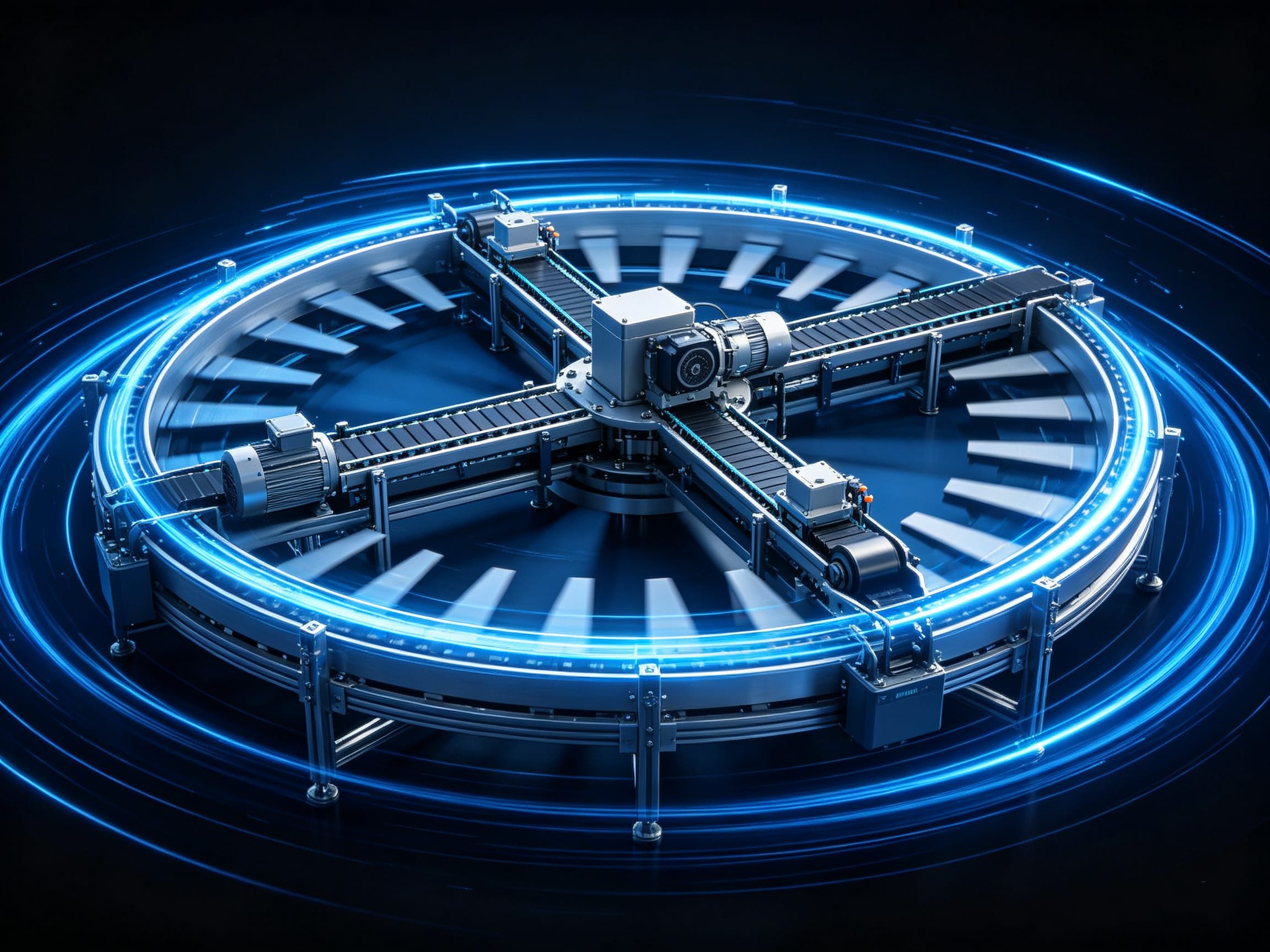
Conveyor Systems: Servo actuators control the speed and position of conveyor belts, ensuring that products are moved efficiently and accurately through the production line.
-
Packaging Machines: Servo actuators are used to control the movement of packaging materials, filling nozzles, and sealing mechanisms, ensuring precise packaging and high production rates.
7.2 Robotics
Beyond industrial robotics, servo actuators are used in a wide range of robotic applications, including:
-
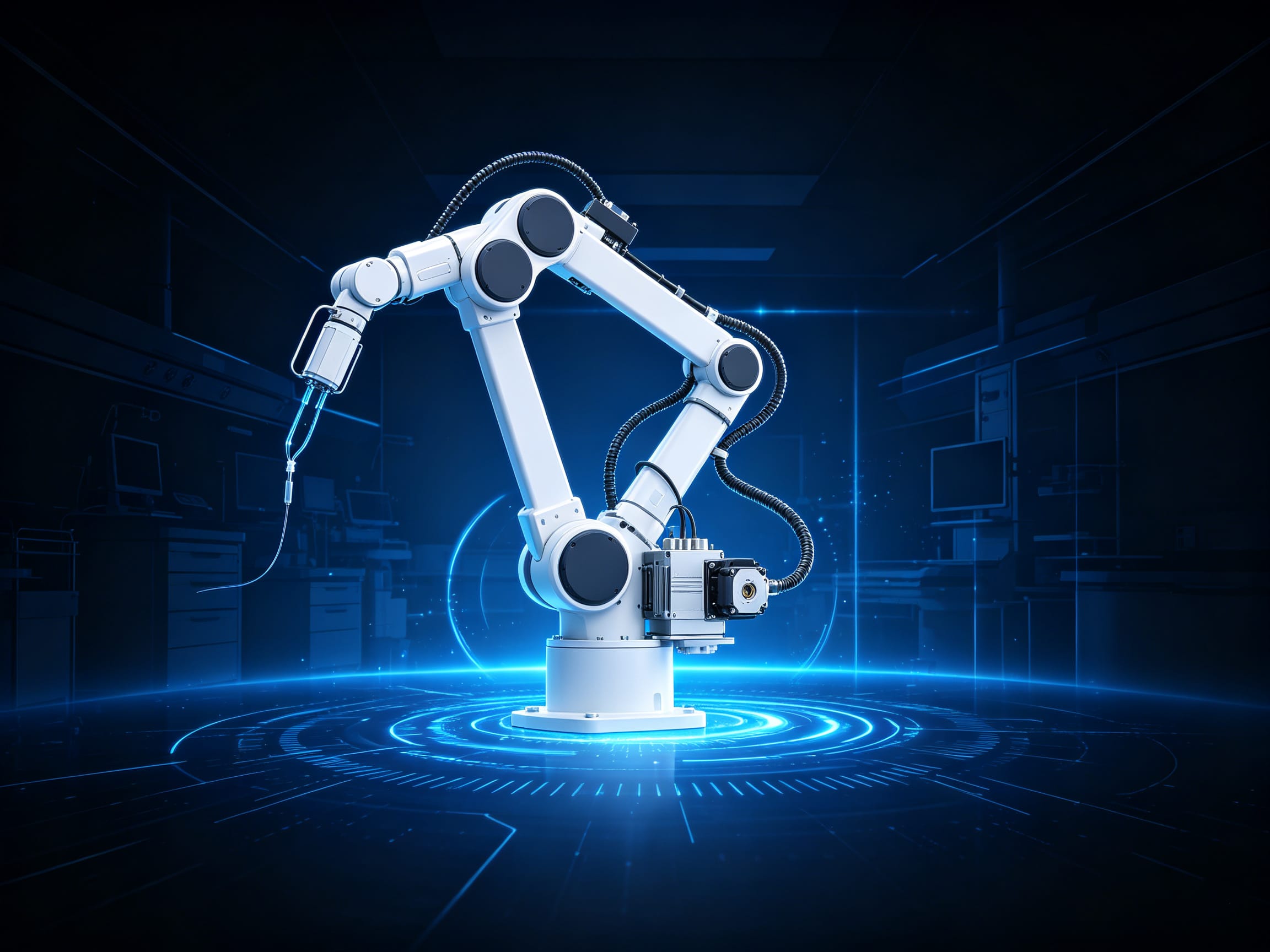
Medical Robotics: Surgical robots (e.g., da Vinci Surgical System) use servo actuators to control the movement of surgical tools with extreme precision, allowing surgeons to perform minimally invasive procedures.
-
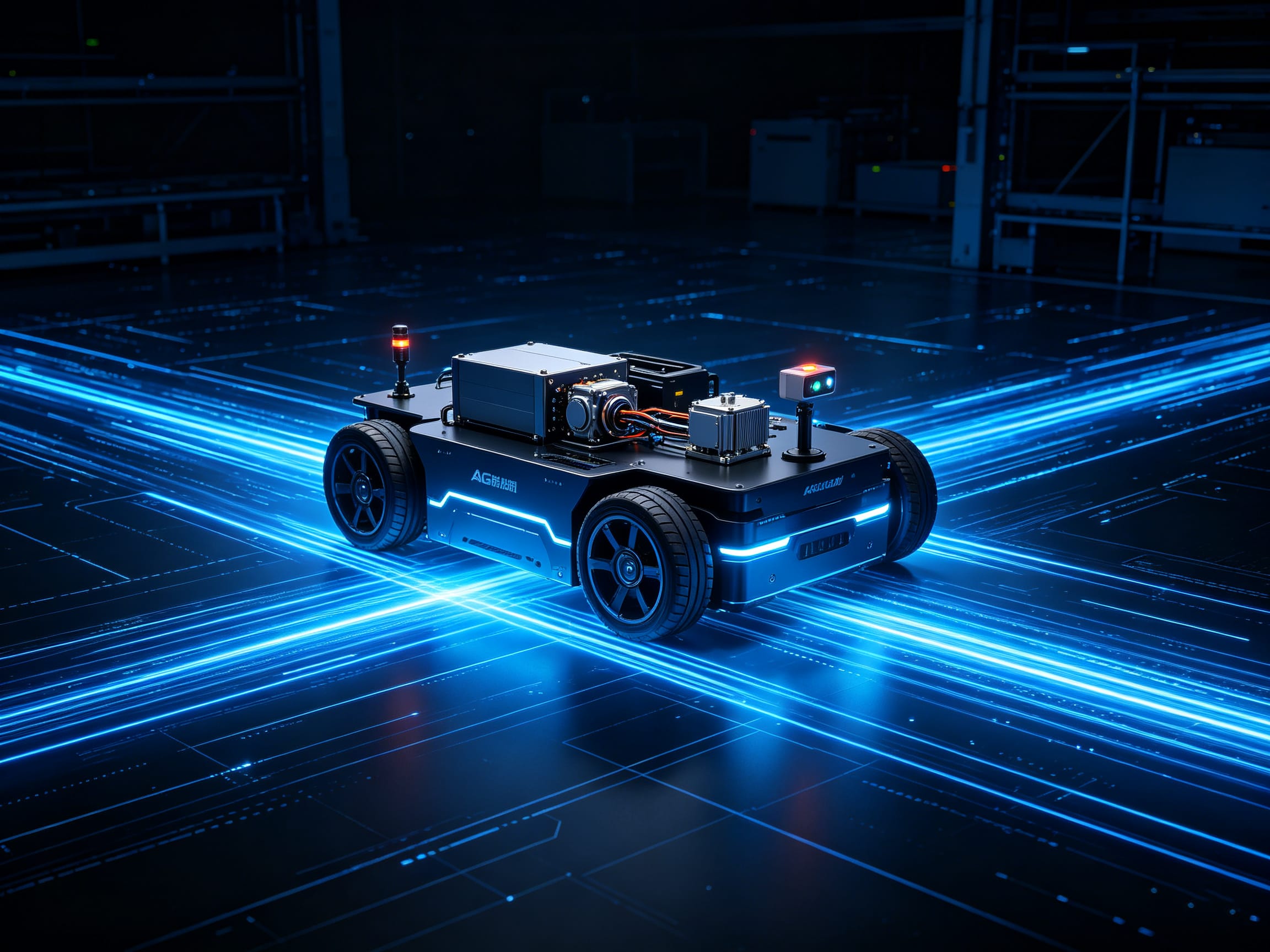
Service Robotics: Service robots (e.g., delivery robots, cleaning robots) use servo actuators to move around and interact with their environment. The Servo Driver ensures that the robot moves smoothly and accurately, even in dynamic environments.
-
Hobby Robotics: RC cars, drones, and hobby robots use small servo actuators to control their movement, steering, and other functions. These hobby servos are simple, low-cost, and easy to control.
7.3 Aerospace and Defense
The aerospace and defense industry relies on servo actuators for critical applications where precision and reliability are paramount. Examples include:
-
Aircraft Control Systems: Servo actuators control the movement of aircraft control surfaces (e.g., ailerons, elevators, rudders), allowing pilots to maneuver the aircraft. The Servo Driver ensures that the control surfaces respond quickly and accurately to pilot commands.
-
Missile and Drone Guidance: Servo actuators control the fins and other guidance systems of missiles and drones, ensuring that they stay on course and hit their target.
-
Spacecraft Systems: Servo actuators are used in spacecraft to control the movement of solar panels, antennas, and other components, ensuring that they are positioned correctly in space.
7.4 Medical Devices
Medical devices require high precision and reliability, making servo actuators an ideal choice. Examples include:
-
Surgical Tools: Minimally invasive surgical tools use servo actuators to control their movement, allowing surgeons to perform precise procedures with minimal tissue damage.
-
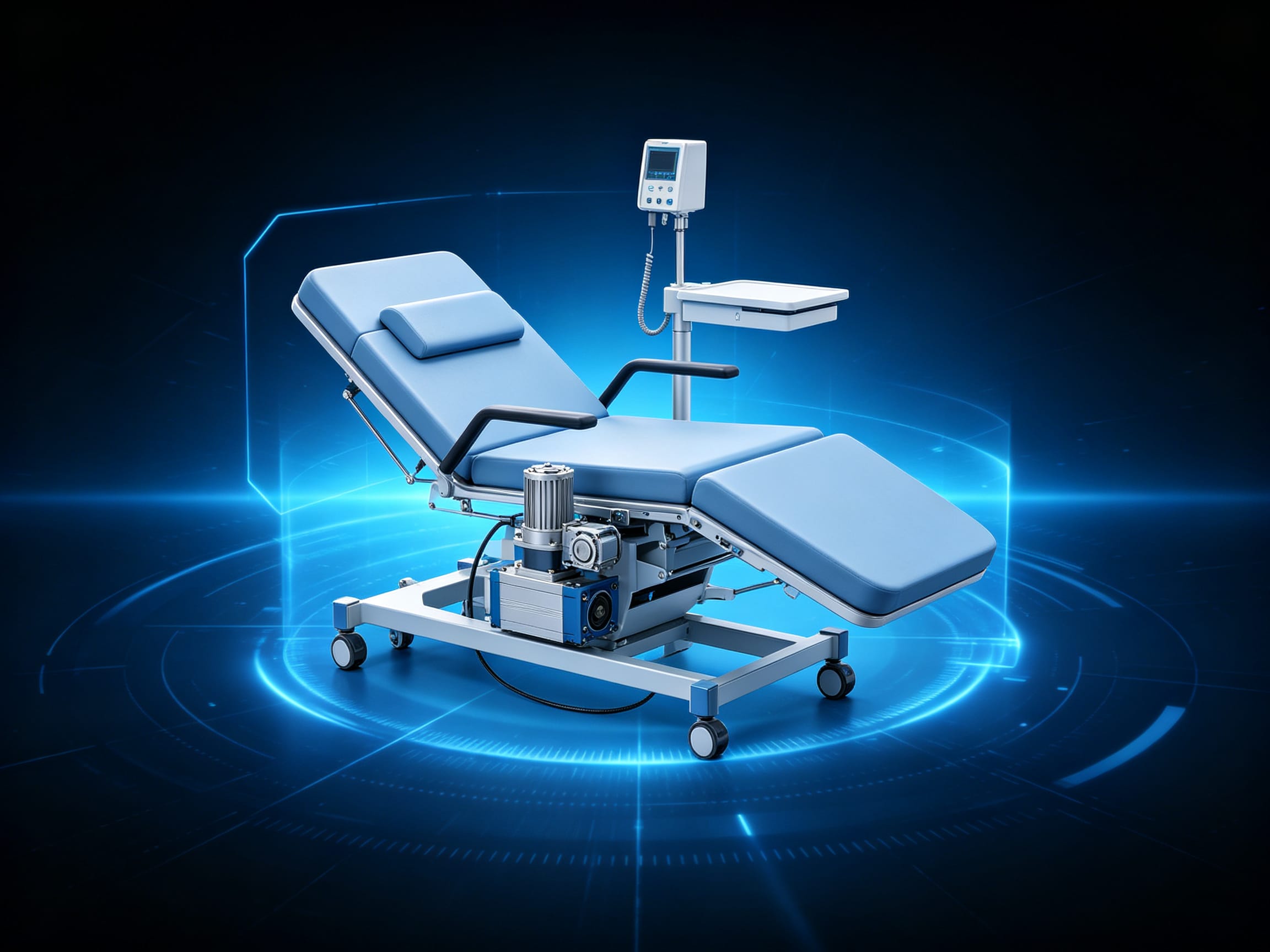
Patient Positioning Systems: Servo actuators control the movement of hospital beds, operating tables, and imaging equipment, ensuring that patients are positioned correctly for procedures.
-
Prosthetics: Advanced prosthetic limbs use servo actuators to mimic the movement of natural limbs, allowing users to perform daily activities with greater ease and precision. The Servo Driver adjusts the limb’s movement based on user input (e.g., muscle signals).
7.5 Automotive
The automotive industry uses servo actuators in a variety of applications, including:
-
Advanced Driver Assistance Systems (ADAS): Servo actuators control the movement of adaptive cruise control systems, lane-keeping assist systems, and automatic emergency braking systems, ensuring that the vehicle responds quickly and accurately to road conditions.
-
Electric Vehicle (EV) Systems: Servo actuators control the movement of EV charging ports, door handles, and other components, improving the user experience and functionality of electric vehicles.
-
Steering and Suspension Systems: Some modern vehicles use servo actuators in their steering and suspension systems to improve handling and ride comfort.
8. Troubleshooting Common Servo Actuator Issues

While servo actuators are reliable, they can experience issues from time to time. Most problems are related to the Servo Driver, feedback device, or servo motor. Below are some common issues and how to troubleshoot them:
8.1 Actuator Does Not Move
If the servo actuator does not move when a command is sent, possible causes include:
-
Power Supply Issues: Check if the Servo Driver and servo motor are receiving the correct voltage and current. A faulty power supply or loose connection can prevent the actuator from operating.
-
Command Signal Issues: Verify that the controller is sending the correct command signal to the Servo Driver. Use a multimeter or oscilloscope to check the signal’s voltage, frequency, or pulse width.
-
Servo Driver Fault: Check the Servo Driver’s error lights or display for fault codes. Common faults include overcurrent, overvoltage, or overheating. Reset the Servo Driver and check for loose connections.
-
Feedback Device Fault: If the feedback device (e.g., encoder) is faulty or disconnected, the Servo Driver will not receive feedback, and the actuator will not move. Check the feedback device’s connections and test its output.
8.2 Actuator Moves but Is Not Precise
If the servo actuator moves but does not maintain the desired position or speed, possible causes include:
-
Feedback Device Calibration: The feedback device may be miscalibrated, leading to inaccurate feedback. Recalibrate the feedback device according to the manufacturer’s instructions.
-
Servo Driver Tuning: The Servo Driver’s control parameters (e.g., PID gains) may be incorrectly set. Tuning the PID gains can improve precision and reduce overshoot. Most Servo Drivers have built-in tuning tools or auto-tuning features.
-
Mechanical Issues: Friction, wear, or misalignment in the mechanical transmission (e.g., gears, lead screw) can cause imprecision. Check for worn components, lubricate moving parts, and ensure proper alignment.
-
Load Issues: The load may be too heavy or unstable, causing the actuator to drift. Ensure that the actuator is rated for the load and that the load is properly secured.
8.3 Actuator Makes Noise or Vibrates
Noise or vibration in a servo actuator can indicate several issues:
-
Mechanical Wear: Worn gears, bearings, or other mechanical components can cause noise and vibration. Inspect the mechanical transmission for wear and replace any damaged parts.
-
Servo Driver Tuning: Incorrect PID gains can cause the actuator to oscillate, leading to vibration. Retune the Servo Driver’s control parameters to reduce oscillation.
-
Feedback Device Issues: A faulty or misaligned feedback device can cause the Servo Driver to make incorrect adjustments, leading to noise and vibration. Check the feedback device’s alignment and connections.
-
Overload: If the actuator is overloaded, it may vibrate or make noise as it struggles to maintain the desired motion. Reduce the load or use a larger actuator.
8.4 Servo Driver Displays an Error Code
Most modern Servo Drivers display error codes to help diagnose issues. Refer to the manufacturer’s manual to interpret the error code. Common error codes include:
-
Overcurrent (OC): The current supplied to the motor is too high. Check for short circuits, loose connections, or a faulty motor.
-
Overvoltage (OV): The input voltage to the Servo Driver is too high. Check the power supply and ensure it is within the Servo Driver’s rated voltage range.
-
Overtemperature (OT): The Servo Driver or motor is overheating. Check for poor ventilation, excessive load, or a faulty cooling system.
-
Feedback Error (FB): The Servo Driver is not receiving feedback from the feedback device. Check the feedback device’s connections and test its output.
9. Choosing the Right Servo Actuator and Servo Driver
Choosing the right servo actuator and Servo Driver is critical to ensuring optimal performance and reliability. Below are key factors to consider when selecting these components:

9.1 Application Requirements
Start by defining the application’s requirements, including:
-
Motion Type: Rotary or linear motion?
-
Position/Speed/Torque Requirements: What is the desired position accuracy, speed, and torque?
-
Load Capacity: What is the maximum load the actuator will need to handle?
-
Environmental Conditions: Will the actuator be exposed to extreme temperatures, humidity, dust, or vibration?
-
Response Time: How quickly does the actuator need to respond to commands?
9.2 Servo Motor Selection
Select a servo motor that matches the application’s requirements. Key factors include:
-
Type: Brushless DC (BLDC) or AC induction motor? BLDC motors are more efficient and have longer lifespans, while AC motors are better for high-power applications.
-
Power Rating: The motor’s power rating (in watts or horsepower) should be sufficient to handle the load.
-
Torque: The motor’s torque rating should be greater than the maximum load torque to ensure reliable operation.
-
Speed: The motor’s maximum speed should be sufficient to meet the application’s speed requirements.
9.3 Servo Driver Selection
The Servo Driver should be compatible with the servo motor and the application’s requirements. Key factors include:
-
Motor Compatibility: The Servo Driver should be designed to work with the type of servo motor (DC or AC) and its power rating.
-
Control Mode: Does the application require position control, speed control, or torque control? The Servo Driver should support the required control mode.
-
Feedback Compatibility: The Servo Driver should be compatible with the feedback device (e.g., encoder, potentiometer) used in the actuator.
-
Communication Protocol: The Servo Driver should support the communication protocol used by the controller (e.g., Ethernet, CAN bus, PWM).
-
Protection Features: Ensure the Servo Driver has built-in protection features (e.g., overcurrent, overvoltage, overheating) to prevent damage to the motor and system.
9.4 Mechanical Transmission (If Needed)
If the application requires linear motion or modified torque/speed, select a mechanical transmission system (e.g., lead screw, belt, gears) that is compatible with the servo motor and actuator. Ensure the transmission is rated for the load and motion requirements.
10. Future Trends in Servo Actuators and Servo Drivers

The field of servo actuators and Servo Drivers is constantly evolving, with new technologies and innovations driving improved performance, efficiency, and functionality. Below are some key future trends:
10.1 Integration with Industry 4.0
Industry 4.0 (the fourth industrial revolution) is driving the integration of servo actuators with smart technologies, such as IoT (Internet of Things), AI (Artificial Intelligence), and big data. Servo actuators and Servo Drivers are being equipped with sensors and communication capabilities to enable real-time monitoring, predictive maintenance, and remote control. This allows for more efficient operation, reduced downtime, and improved productivity.
10.2 Miniaturization
As applications like medical devices, robotics, and aerospace demand smaller, lighter components, servo actuators and Servo Drivers are becoming more miniaturized. Advances in motor design, electronics, and materials are allowing for compact servo systems that deliver high performance in small packages.
10.3 Improved Energy Efficiency
Energy efficiency is a top priority in modern automation, and servo actuators and Servo Drivers are being designed to be more energy-efficient. This includes the use of brushless DC motors, advanced control algorithms, and power-saving features (e.g., sleep mode when not in use). Improved energy efficiency reduces operating costs and makes servo systems more sustainable.
10.4 Advanced Control Algorithms
New control algorithms (e.g., model predictive control, adaptive control) are being developed to improve the performance of servo actuators. These algorithms allow for faster response times, better precision, and more robust operation in dynamic environments. Additionally, AI and machine learning are being used to optimize servo system performance in real time.
10.5 Increased Connectivity
Servo actuators and Servo Drivers are becoming more connected, with support for industrial communication protocols like Ethernet/IP, CANopen, and Profinet. This allows for seamless integration with other automation components (e.g., controllers, sensors, cameras) and enables centralized control and monitoring of multiple servo systems.
11. Conclusion
Servo actuators are the backbone of precise motion control in modern automation, robotics, aerospace, and medical devices. Their ability to deliver high precision, fast response times, and reliable performance is made possible by the integration of three core components: the servo motor, the feedback device, and the Servo Driver. The Servo Driver, in particular, plays a critical role in processing command signals, monitoring feedback, and adjusting the motor’s operation to ensure accuracy.
In this guide, we’ve covered the basics of what an Actuator is, the key components of a servo actuator, how servo actuators work (including the role of the Servo Driver), the different types of servo actuators, their applications, troubleshooting tips, and future trends. Whether you’re a beginner looking to learn the fundamentals or an industry professional seeking to optimize your servo system, this guide provides a comprehensive overview of how servo actuators work and why they are essential in today’s technology-driven world.
As technology continues to evolve, servo actuators and Servo Drivers will become even more advanced, offering improved performance, efficiency, and connectivity. By understanding the principles and applications of servo actuators, you can make informed decisions when selecting, installing, and maintaining these critical components for your specific application.
Share to: