
What is a NEMA Stepper Motor? A Complete Guide to Standards, Types, Integrated Solutions, and Application Scenarios
LMS_Davit2026-03-16233 views
A NEMA stepper motor is a precision motion-control device defined and standardized by the National Electrical Manufacturers Association (NEMA)—the leading US trade association for electrical equipment standards. Unlike generic stepper motors, NEMA models follow strict mechanical dimensions, mounting interfaces, and performance specifications, making them universally interchangeable across global automation systems. NEMA stepper motors are the backbone of modern motion control, valued for their high torque at low speeds, exact positional accuracy, and cost-effectiveness. In recent years, the integrated stepper motor (a NEMA-compliant motor with built-in driver, controller, and encoder) has become the industry standard for compact, reliable motion systems. This guide explains NEMA standards, core motor types, integrated solutions, and key application scenarios where NEMA stepper motors dominate.

1. What Does “NEMA” Mean for Stepper Motors?
NEMA (National Electrical Manufacturers Association) establishes mechanical and performance standards for electric motors, including stepper motors, under the NEMA ICS 16-2001 specification. The “NEMA number” (e.g., NEMA 17, NEMA 23) refers to the faceplate (flange) size in inches, which dictates mounting compatibility, shaft diameter, and overall form factor. This standardization ensures:
- Interchangeability: Motors from different manufacturers fit the same mounting holes.
- Predictable performance: Torque, speed, and electrical ratings align with size classes.
- Simplified design: Engineers select motors by NEMA size instead of custom dimensions.
NEMA Stepper Motor Size Chart (Key Standards)
| NEMA Size | Flange Dimension (in/mm) | Typical Holding Torque | Common Use Case |
| NEMA 8 | 0.8/20.32 | 0.02–0.08 N·m | Micro-devices, tiny instruments |
| NEMA 11 | 1.1/27.94 | 0.05–0.15 N·m | Small robotics, consumer electronics |
| NEMA 14 | 1.4/35.56 | 0.1–0.4 N·m | Compact automation, lab equipment |
| NEMA 17 | 1.7/42.33 | 0.12–0.6 N·m | 3D printers, small CNC, desktop robotics |
| NEMA 23 | 2.3/57.15 | 0.8–3.0 N·m | Industrial CNC, packaging machines, mid-load robotics |
| NEMA 34 | 3.4/86.36 | 3.0–10 N·m | Heavy automation, large CNC, industrial machinery |
Note: NEMA 17 (42mm) and NEMA 23 (57mm) are the most widely used sizes, matching popular integrated stepper motor models like STM42 (NEMA 17) and STM57 (NEMA 23).
2. Core Working Principle of NEMA Stepper Motors
NEMA stepper motors are brushless DC motors that convert electrical pulses into discrete mechanical “steps” (angular rotations). Most hybrid NEMA steppers (the dominant type) use a permanent magnet rotor and toothed stator poles to create precise motion:
- The controller sends digital pulse signals to the motor driver.
- The driver energizes stator windings in sequence, generating a rotating magnetic field.
- The rotor aligns with the magnetic field, moving one fixed step (typically 1.8° per step, 200 steps per full rotation).
- Microstepping (via driver electronics) divides steps into smaller increments (e.g., 1/16, 1/32) for smoother motion and higher precision.
Key advantages of this design:
- Open-loop control: No encoder required for basic positioning (reduces cost).
- High holding torque: Locks position when stationary (ideal for static positioning).
- Digital control: Directly compatible with PLCs, Arduino, and motion controllers.
3. Types of NEMA Stepper Motors
NEMA stepper motors are categorized by their internal design, with hybrid steppers being the most common for industrial and consumer applications.
3.1 Permanent Magnet (PM) Stepper Motors
- Design: Simple rotor with permanent magnets; no teeth.
- Torque: Low to medium (0.01–0.5 N·m).
- Step angle: Larger (7.5°–15°), lower precision.
- Use case: Low-cost, low-precision applications (e.g., toys, simple actuators).
3.2 Variable Reluctance (VR) Stepper Motors
- Design: Soft-iron rotor (no magnets); relies on magnetic reluctance.
- Torque: Low; poor holding torque.
- Step angle: 15°–30°.
- Use case: Obsolete in most modern systems; rare in NEMA-standard models.
3.3 Hybrid Stepper Motors (Most Popular NEMA Type)
- Design: Combines PM and VR technologies—permanent magnet rotor with toothed poles + toothed stator.
- Torque: High (0.02–10 N·m) across NEMA sizes.
- Step angle: 1.8° (standard) or 0.9° (high-precision).
- Advantages: Best balance of torque, precision, and efficiency; compatible with microstepping and closed-loop systems.
- Use case: 90% of NEMA stepper applications (3D printing, CNC, robotics, automation).
3.4 Closed-Loop NEMA Stepper Motors
- Design: Hybrid stepper + built-in encoder (magnetic/optical) for real-time position feedback.
- Function: Compares commanded position vs. actual position; corrects for lost steps.
- Advantages: No step loss, higher speed torque, smoother operation, overload protection.
- Use case: High-precision applications (medical devices, semiconductor equipment).
4. Integrated Stepper Motor: The Next-Gen NEMA Solution

An integrated stepper motor (also called a “smart stepper” or “all-in-one stepper”) is a NEMA-compliant motor that combines motor body, driver, controller, encoder, and communication interface into a single compact unit. This eliminates the need for separate driver boards, long wiring, and external controllers—solving key pain points of traditional stepper systems.
Key Features of Integrated Stepper Motors (NEMA 17/23 Focus)
- Space-saving: No external driver; ideal for compact machinery.
- Simplified wiring: Reduces cable clutter and electromagnetic interference (EMI).
- Plug-and-play: Pre-calibrated for NEMA sizes (STM42/NEMA17, STM57/NEMA23).
- Communication support: RS485, CANopen, EtherCAT, or pulse/direction interfaces for industrial connectivity.
- Closed-loop capability: Most models include 1000–4000 PPR encoders for servo-like performance.
- Protection: Over-temperature, over-current, and short-circuit protection.
Integrated Stepper Motor vs. Traditional Stepper System
| Aspect | Traditional Stepper (Motor + Separate Driver) | Integrated Stepper Motor |
| Installation | Complex wiring, separate mounting | Simple, single-unit mount |
| Space | Requires extra cabinet/driver space | Compact, minimal footprint |
| EMI/RFI | High (long cables) | Low (integrated design) |
| Compatibility | Risk of motor-driver mismatch | Pre-matched, NEMA-standard |
| Cost (Total System) | Lower upfront, higher integration labor | Higher upfront, lower long-term cost |
| Performance | Open-loop (prone to step loss) | Closed-loop (no step loss) |
5. Application Scenarios of NEMA Stepper Motors
NEMA stepper motors (including integrated models) power hundreds of motion-control applications across industries, thanks to their precision, reliability, and standardization. Below are the most critical application scenarios, with a focus on NEMA 17 (STM42) and NEMA 23 (STM57) integrated stepper motors.

5.1 Additive Manufacturing (3D Printing)
- Role: Control X/Y/Z axes and filament extruders for layer-by-layer printing.
- NEMA Size: NEMA 17 (STM42) for desktop 3D printers; NEMA 23 (STM57) for industrial/ large-format printers.
- Why NEMA: Precise microstepping (0.001mm positioning), high holding torque, and low cost.
- Integrated Benefit: Compact design fits tight printer frames; closed-loop eliminates layer misalignment.
5.2 CNC Machining & Router Systems
- Role: Drive spindle, linear rails, and rotary axes for milling, engraving, and cutting.
- NEMA Size: NEMA 23 (STM57) for mid-size CNC; NEMA 34 for heavy industrial machines.
- Why NEMA: High torque at low speeds, repeatable positioning, and compatibility with CNC controllers.
- Integrated Benefit: Reduces wiring in multi-axis setups; closed-loop prevents tool path errors.
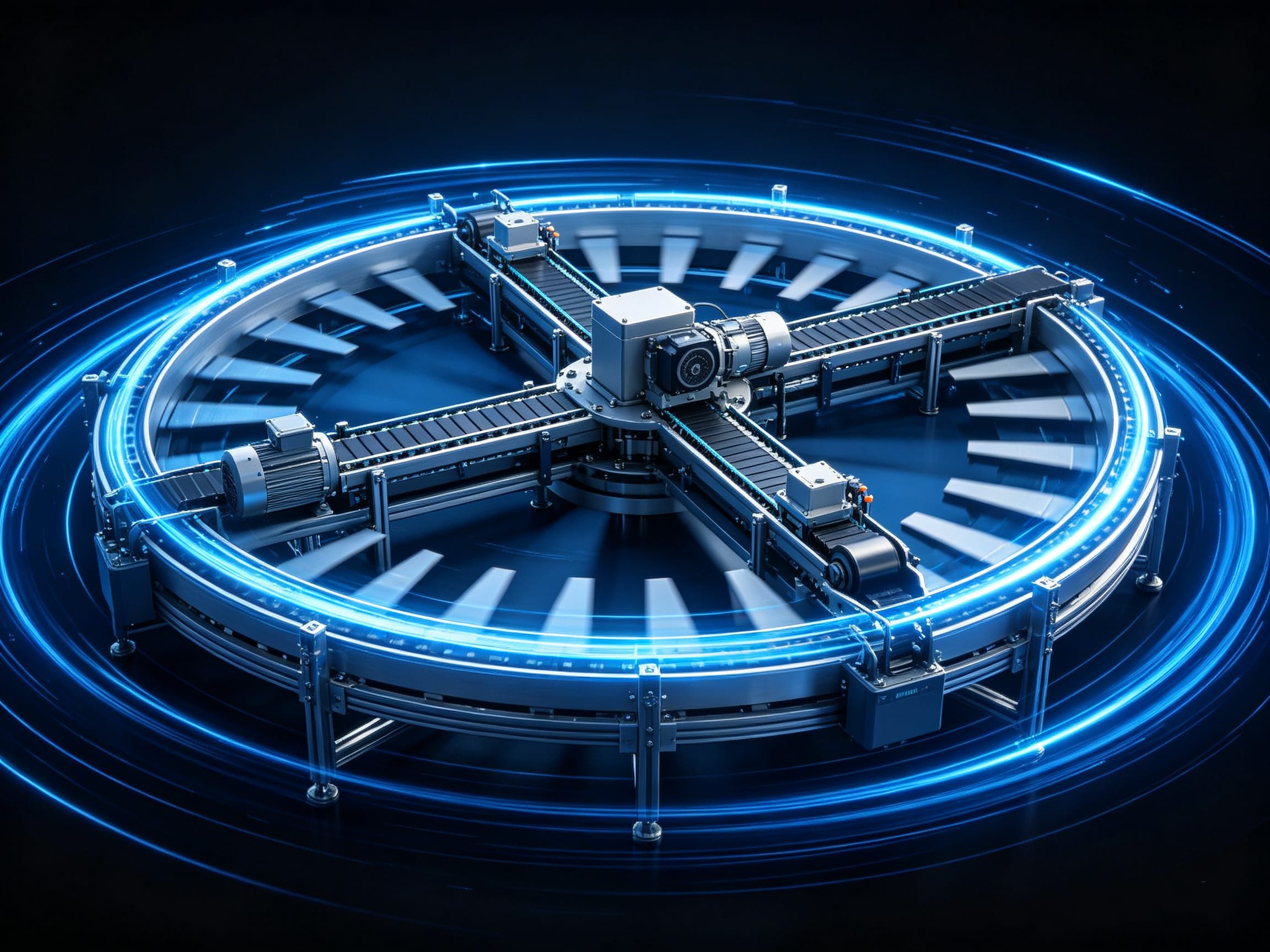
5.3 Industrial Automation & Packaging
- Role: Conveyor systems, labeling machines, sealing equipment, and pick-and-place robots.
- NEMA Size: NEMA 17/23 (STM42/STM57) integrated motors for compact packaging lines.
- Why NEMA: Reliable continuous operation, precise indexing, and easy integration with PLCs.
- Integrated Benefit: Decentralized control (no control cabinet); fast setup for high-speed production.
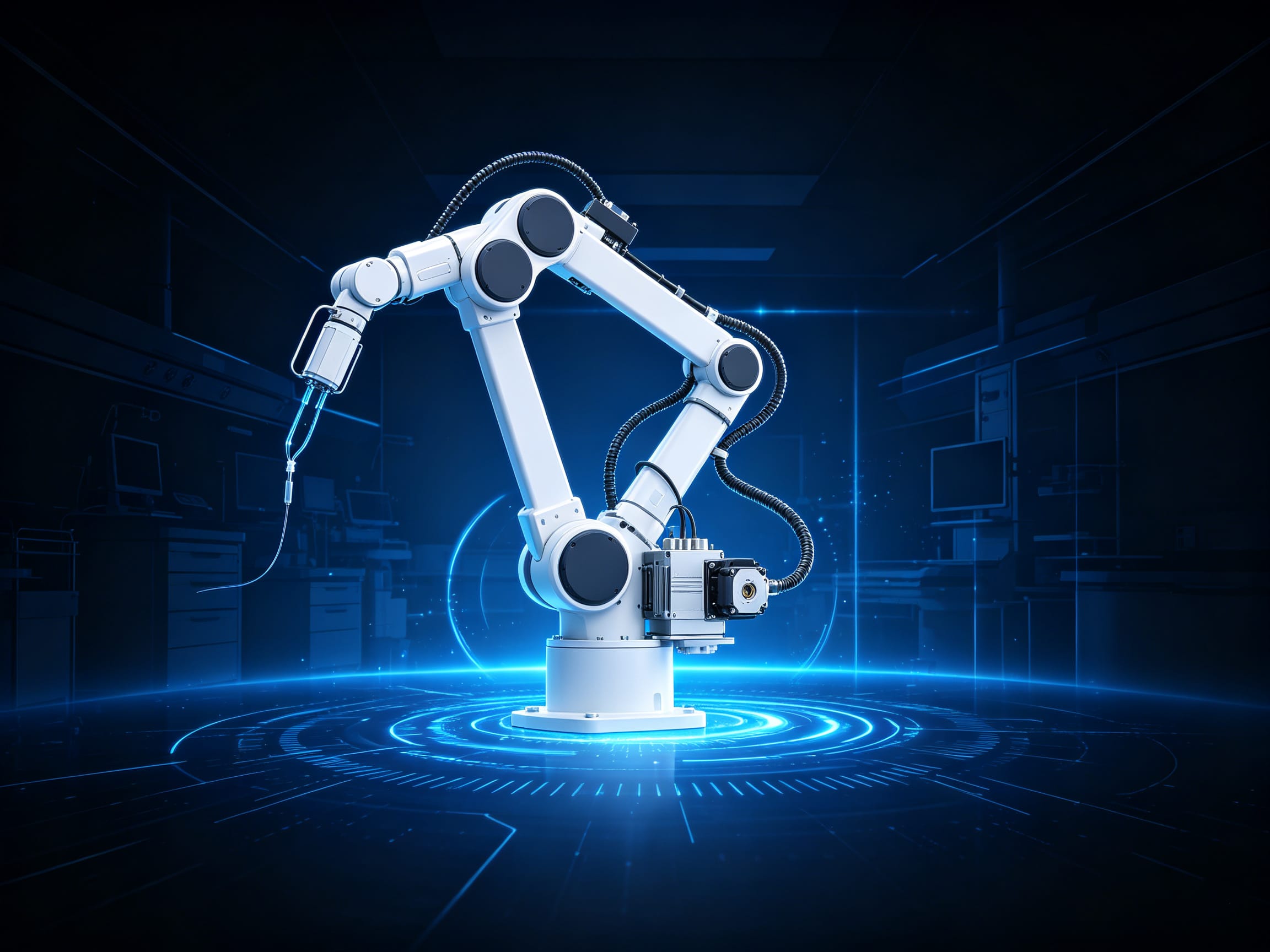
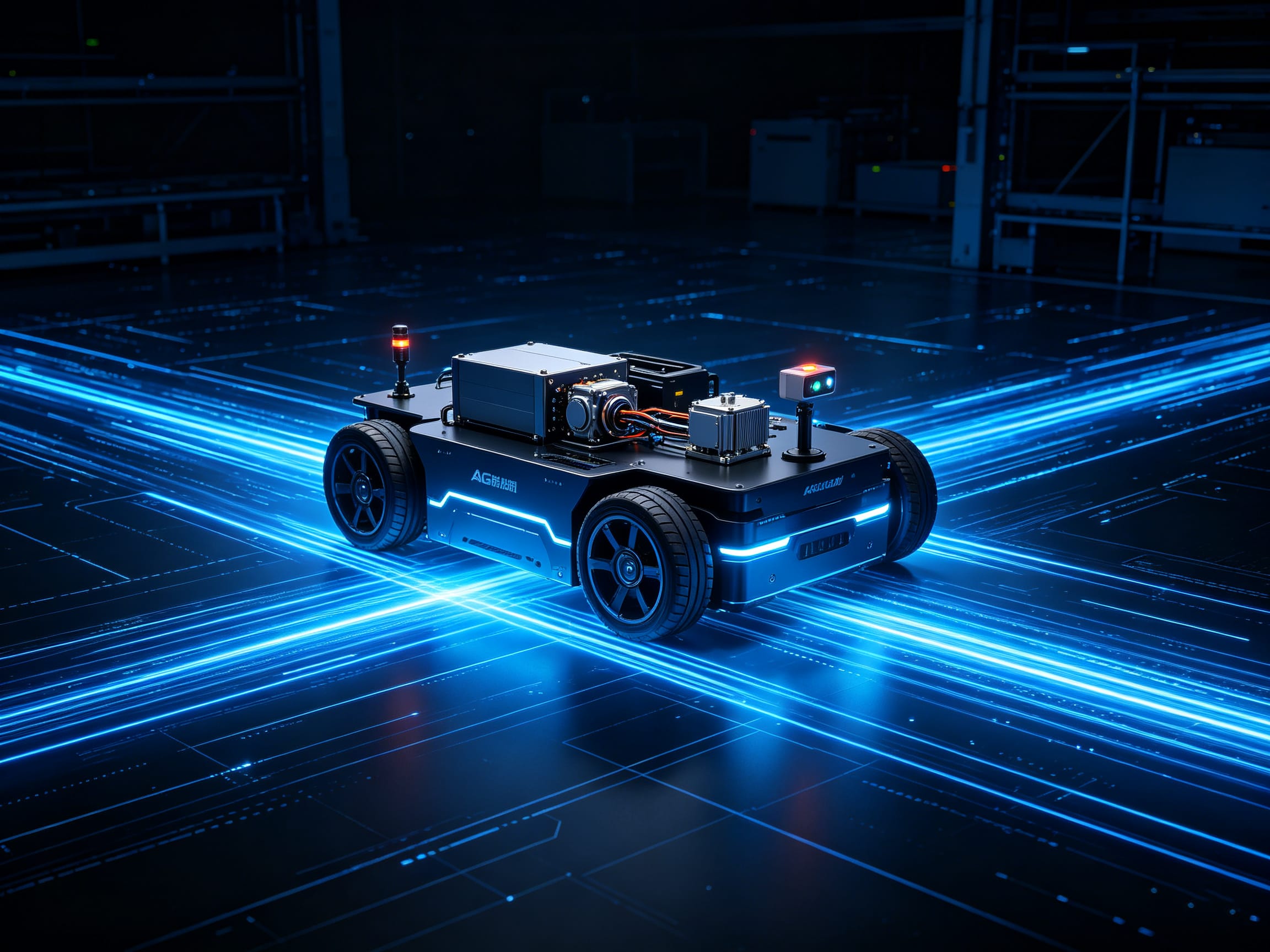
5.4 Robotics & Automated Systems
- Role: Joint actuation, gripper control, linear actuators, and mobile robot navigation.
- NEMA Size: NEMA 17 (STM42) for small robotic arms; NEMA 23 (STM57) for industrial robots.
- Why NEMA: Compact size, high torque-to-weight ratio, and precise motion control.
- Integrated Benefit: Simplifies robot design; closed-loop ensures accurate movement in dynamic environments.
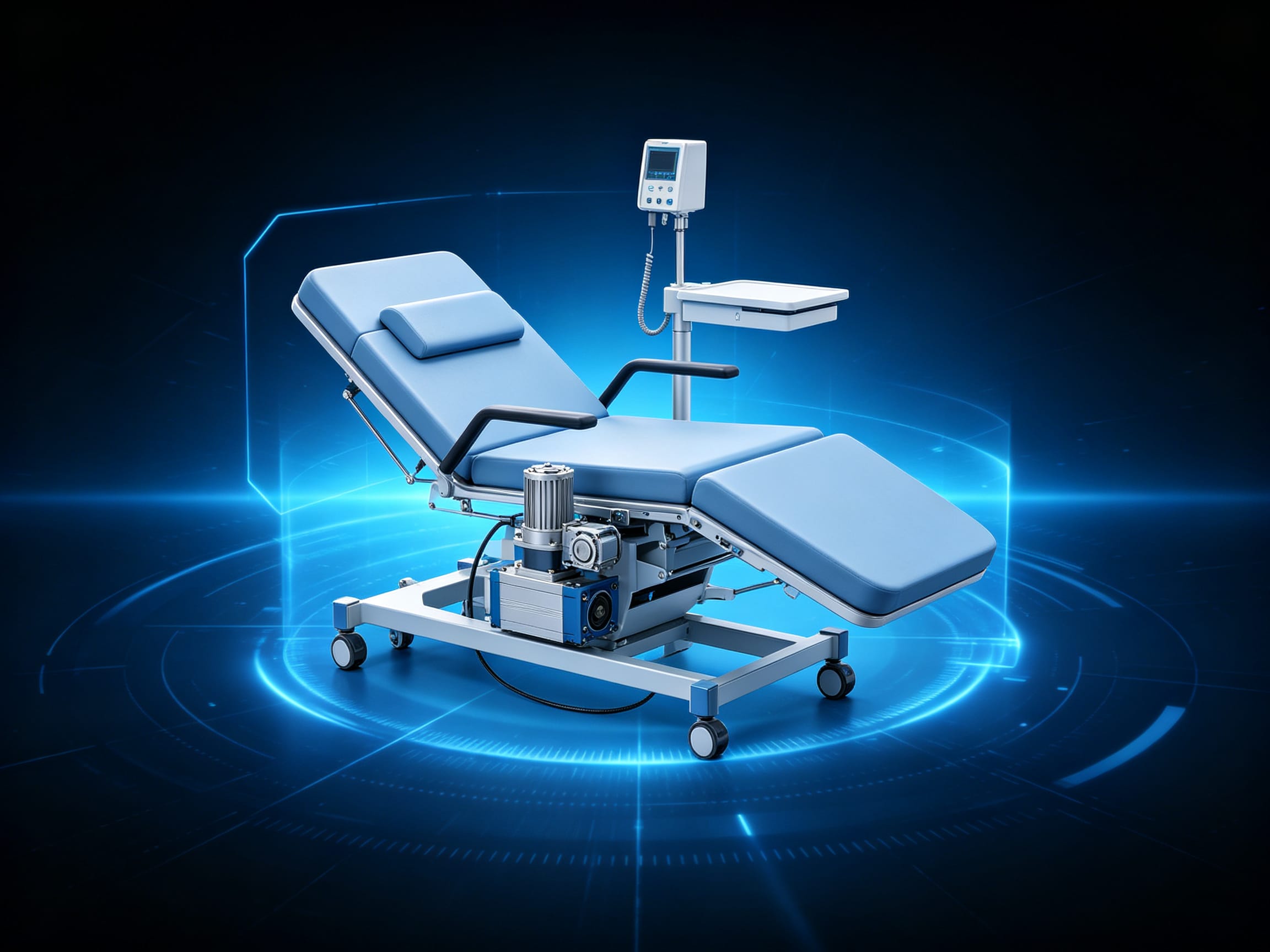
5.5 Medical & Laboratory Equipment
- Role: Infusion pumps, diagnostic machines, robotic surgery tools, and sample handling systems.
- NEMA Size: NEMA 11/17 (STM42) for compact medical devices; NEMA 23 for larger lab automation.
- Why NEMA: Ultra-precise positioning, quiet operation, and long-term reliability.
- Integrated Benefit: Sterilizable designs (IP54/IP65); closed-loop eliminates positioning errors in critical care equipment.
5.6 Textile & Printing Machinery
- Role: Embroidery machines, digital printers, thread feeders, and paper handling systems.
- NEMA Size: NEMA 17/23 (STM42/STM57) integrated motors for high-speed synchronization.
- Why NEMA: Smooth microstepping, consistent speed, and low vibration.
- Integrated Benefit: Reduces maintenance; bus communication (CANopen/RS485) enables multi-machine synchronization.
5.7 Security & Surveillance
- Role: CCTV pan-tilt mechanisms, automated gates, turnstiles, and smart locks.
- NEMA Size: NEMA 17 (STM42) for compact camera systems; NEMA 23 for heavy gates.
- Why NEMA: Quiet operation, low power consumption, and precise positioning.
- Integrated Benefit: Weather-resistant designs (IP65); simple control for remote monitoring.
5.8 Consumer Electronics & DIY Projects
- Role: Camera sliders, automated blinds, 3D scanners, and hobbyist CNC machines.
- NEMA Size: NEMA 17 (STM42) for most DIY applications; cost-effective and easy to control with Arduino.
- Why NEMA: Affordable, widely available, and compatible with open-source electronics.
6. How to Select the Right NEMA Stepper Motor
Choosing a NEMA stepper motor (including integrated models) depends on application requirements:
- Torque Requirement: Calculate load torque; select a NEMA size with 1.5–2.5x safety factor (e.g., 0.5 N·m load → NEMA 17 (STM42) with 0.75 N·m torque).
- Speed: NEMA steppers lose torque at high speeds (>1000 RPM); use closed-loop/integrated motors for better high-speed performance.
- Precision: Open-loop for basic positioning; closed-loop/integrated for zero step loss.
- Space: Integrated stepper motors (STM42/STM57) for compact designs.
- Communication: Select pulse/direction (simple) or RS485/CANopen (industrial) interfaces.
- Environment: IP20 (indoor) or IP54/IP65 (dusty/wet) ratings.
7. Conclusion
A NEMA stepper motor is more than just a motor—it is a standardized, reliable motion-control solution that powers precision automation worldwide. Defined by NEMA’s strict dimensional and performance standards, these motors offer unmatched interchangeability and predictability. The rise of the integrated stepper motor (e.g., STM42/NEMA17, STM57/NEMA23) has further revolutionized the industry, delivering compact, plug-and-play performance with closed-loop accuracy.
From 3D printers and CNC machines to medical devices and industrial robots, NEMA stepper motors are the go-to choice for application scenarios that demand precision, reliability, and cost-effectiveness. Whether you need a small NEMA 17 motor for a desktop project or a heavy-duty NEMA 34 motor for industrial automation, NEMA standards ensure you get a motor that fits, performs, and integrates seamlessly into your system.
Share to: