Application of integrated brushless motor in automatic hub
With the increasing demand for industrial automation, wire harness processing equipment is placing higher demands on efficient and stable drive solutions. The use of an integrated brushless motor in its automated wiring harness equipment overcomes the high vibration and slow response issues of traditional drive systems, enabling high-precision winding integration of three wire strands. This case study analyzes the performance advantages and problem-solving approaches of brushless motors in automated equipment through practical application scenarios.

1. Equipment Overview
Automatic Wiring Harness
• Function: Winds three wire strands together, improving wiring harness processing efficiency.
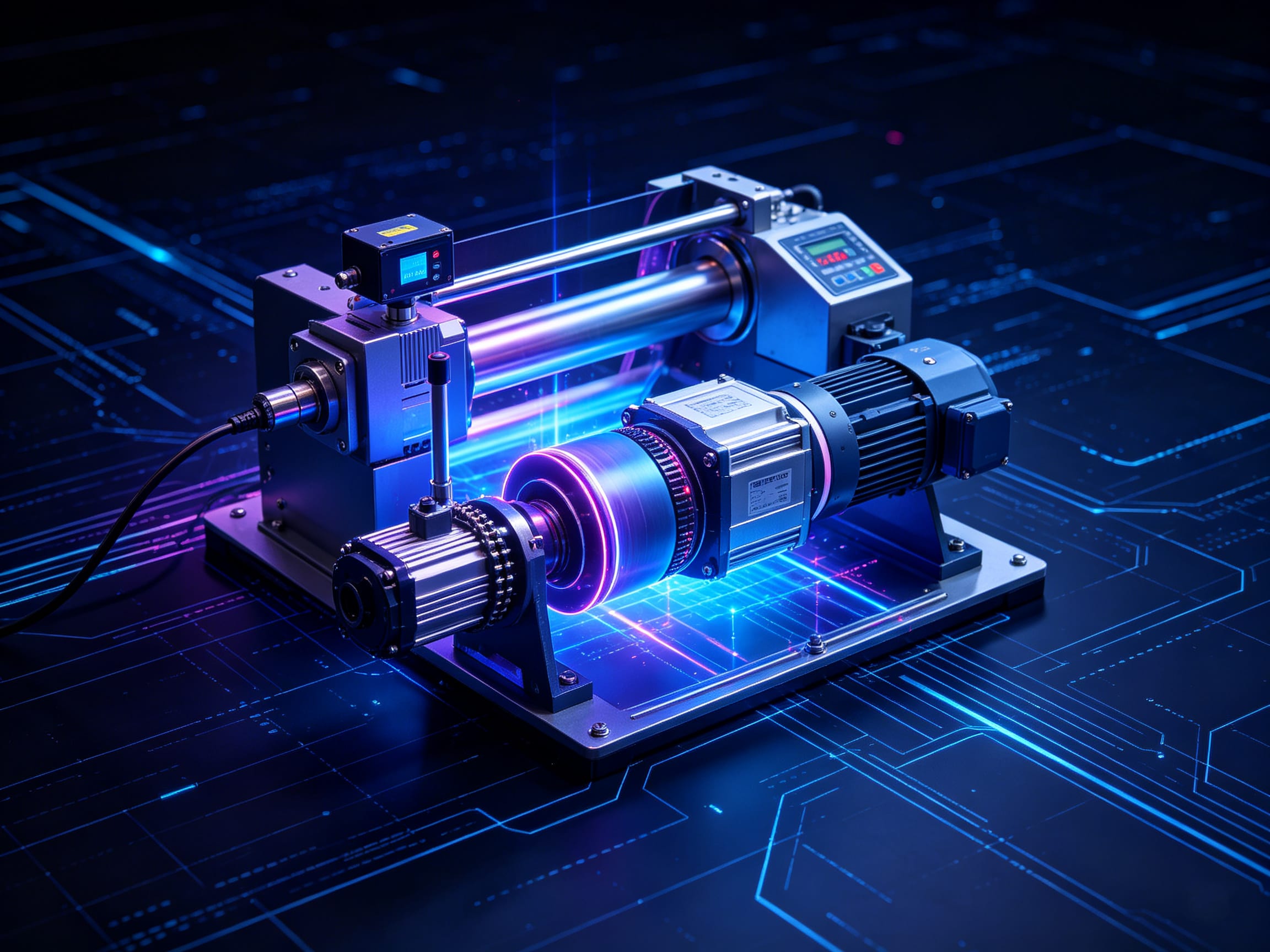
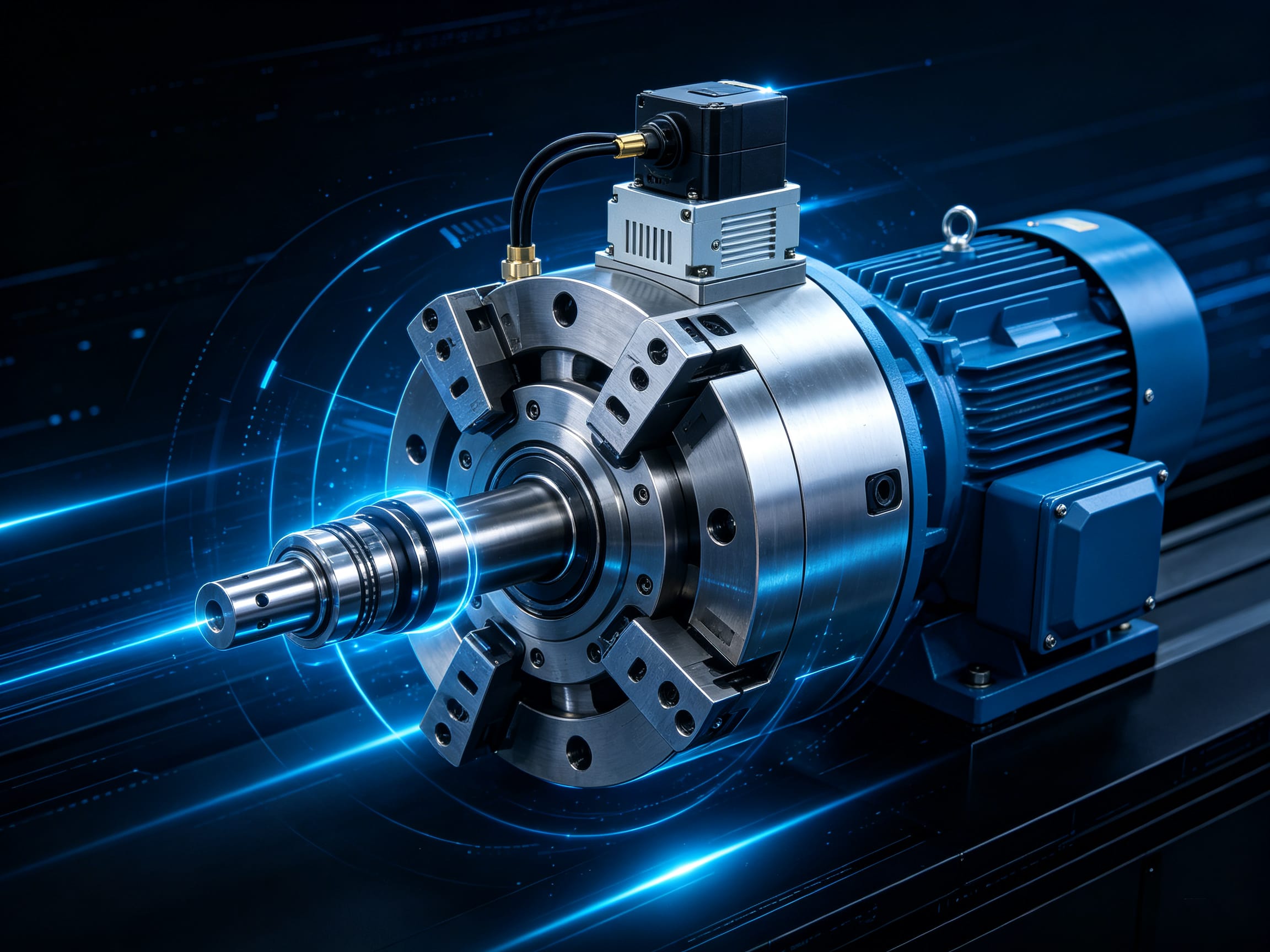
• Core Drive: An integrated brushless motor (BLM4205B-485-0FS) paired with a host computer (QT) and a pulley drive system.
• Quantity: One motor per unit.
2. Application Solution

1. Control Mode:
PP Mode (Position Control): Ensures precise winding position.
PV Mode (Velocity Control): Optimizes the dynamic response of the winding process.
2. System Architecture:
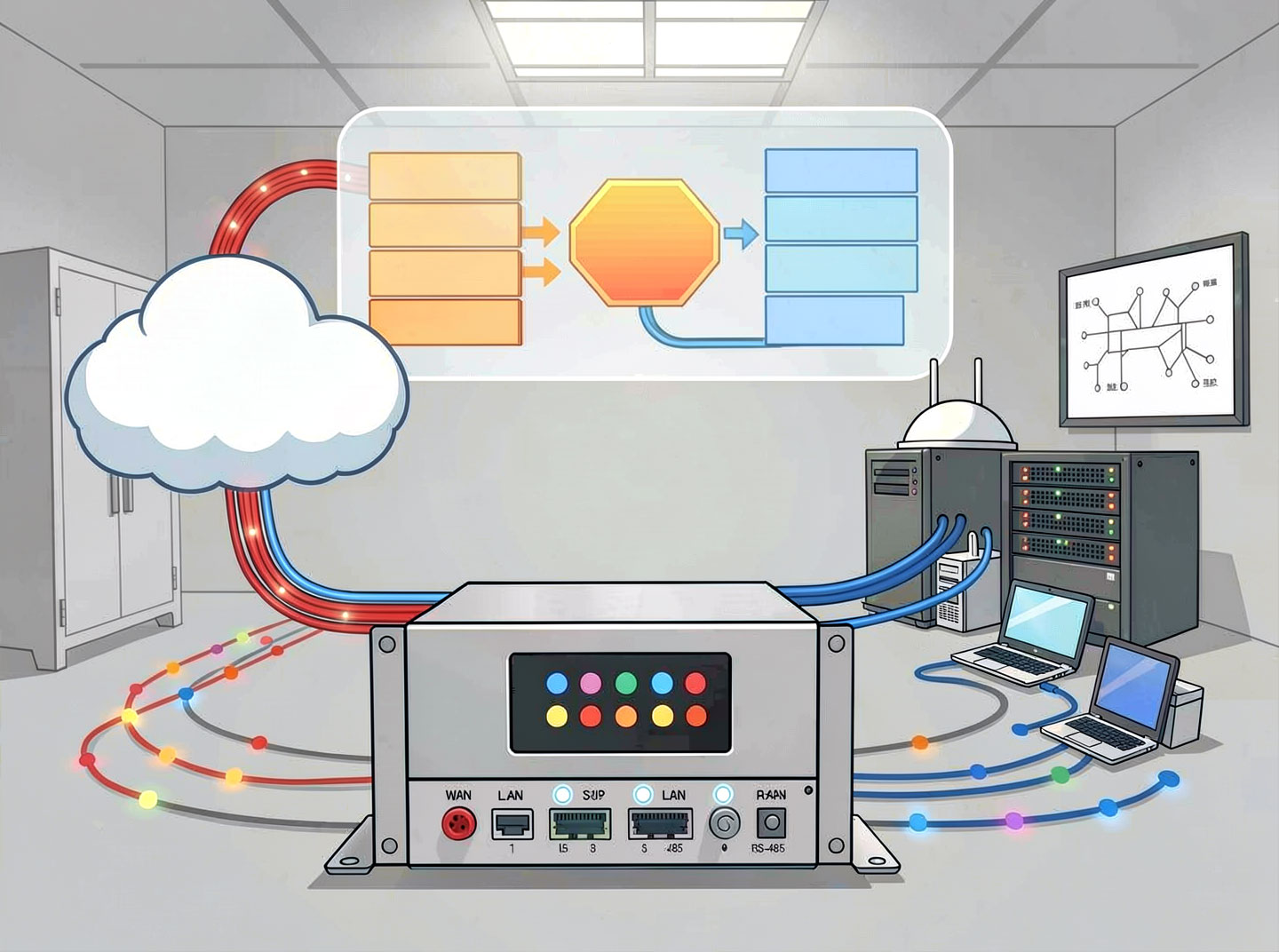
The motor communicates with the host computer via 485 communication, allowing real-time adjustment of operating parameters.
The pulley drive assembly transmits power and must match the motor's torque characteristics.
3. Application Product

• Model: BLM4205B-485-0FS integrated brushless motor
• Features:
High-precision closed-loop control reduces winding errors.
Compact structure adapts to space constraints in automation equipment.
4. Problems and Solutions
1. Master Station Communication Failure:
Phenomenon: Sudden error message "Function to create master station failed."
Cause: System environment variable configuration error.
Solution: Reset the environment variables to restore the communication link.
2. Operational Vibration:
Phenomenon: Noticeable motor vibration during operation.
Cause: Incorrect pulley selection, resulting in unstable transmission.
Solution: Replace pulleys with compatible models to optimize mechanical transmission efficiency.
5. Summary
The application of an integrated brushless motor in an automated wiring harness significantly improves device stability and winding accuracy. By optimizing the control mode (PP/PV) and mechanical transmission design, communication interruptions and operational oscillations are addressed, providing a reusable technical solution for similar automated equipment. Future research will explore the coordinated control of motors and vision systems to accommodate more complex wiring harness processing requirements.