Application Cases of Integrated Servo Motors in Automatic Coffee Machines
With the rapid growth of the freshly made coffee delivery market, the demand for precise control and efficient, stable operation of automated equipment is increasing. Servo motors, with their high-precision positioning, rapid response, and multi-mode control capabilities, play a core role in automatic coffee machines. This article analyzes the specific implementation scheme, technical advantages, and problem-solving paths of integrated servo motors in automatic coffee machines, based on practical application cases, providing a reference for related industries.

I. Application Background
In 2024, the Chinese freshly made coffee delivery market exceeded 40 billion yuan, with an annual growth rate of 35%. The high concentration of orders during lunch and afternoon tea periods places stringent demands on the efficiency and stability of equipment. Traditional asynchronous motor drive solutions suffer from low control precision and response delays, making it difficult to meet the high-frequency, standardized production needs. Servo systems, through closed-loop control of position, speed, and torque, can achieve precise coordination of processes such as coffee extraction and milk frothing, becoming a key technology for improving equipment performance.
II. Equipment Introduction

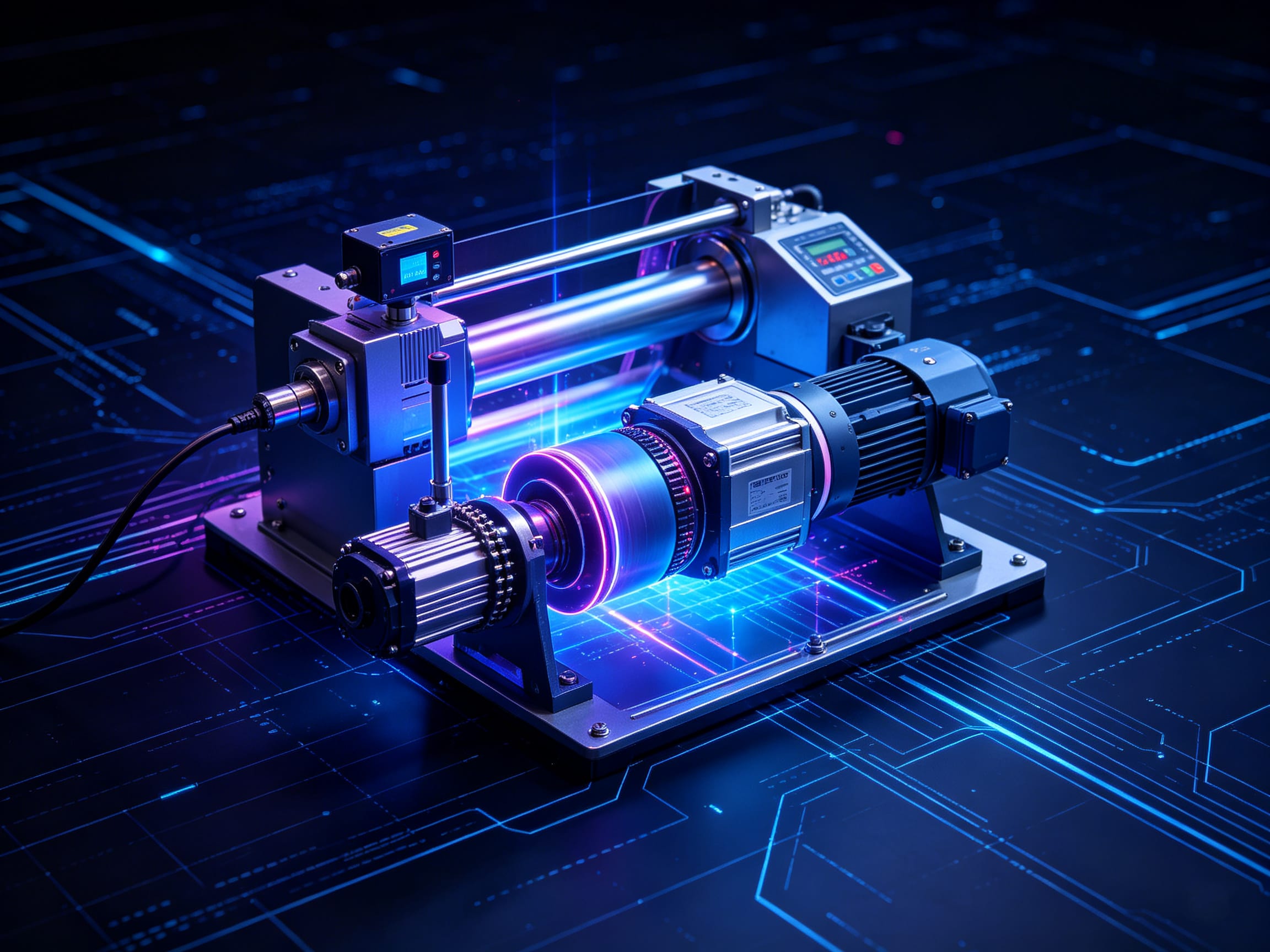
The automatic coffee machine integrates a single-unit servo motor system. Its core components include:
1. Servo Motor: Model PMMP4010B-485-LA-0HE, supporting pulse position mode, point-to-point mode, and multi-segment position planning.
2. Transmission Mechanism: A combination of pulleys and lead screws converts the motor's rotary motion into linear motion, controlling actions such as coffee powder compaction and water flow switching.
3. Controller: Built-in microcontroller, coordinating motor operating parameters via RS-485 communication protocol.
The servo motor uses an encoder to provide real-time feedback of position and speed information, combined with a PID algorithm to control water temperature fluctuations (within ±0.5℃), ensuring consistent extraction for each cup of coffee. This type of system is widely used in industrial automation, including CNC machine tools and packaging machinery, and its technological maturity and reliability have been verified.
III. Application Scheme
1. Multi-mode Motion Control:
PP Mode: Used for precise point movement during single-cup extraction, such as controlling the raising and lowering of the brewing head.
PT Mode: Enables continuous trajectory planning, suitable for multi-axis linkage during milk frothing.
HM Mode: Eliminates accumulated errors through mechanical origin calibration, ensuring long-term operational accuracy.
2. Collaborative Workflow:
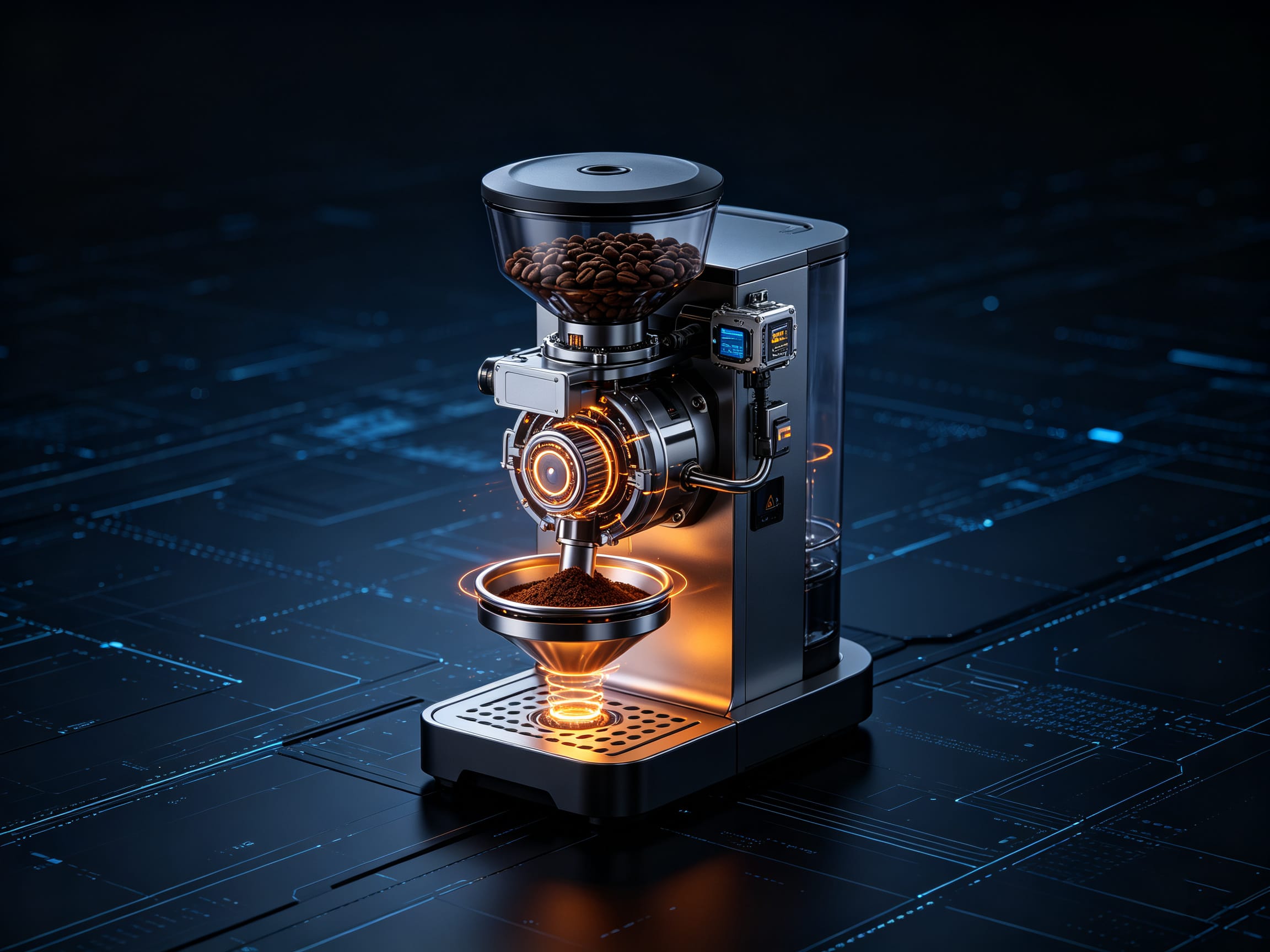
Servo motors drive the grinder to adjust coffee powder coarseness, synchronously controlling the water pump for metered water injection.
In the dual-boiler system, the extraction boiler and steam boiler are managed by independent servo units, enabling parallel processing of coffee preparation and milk frothing.
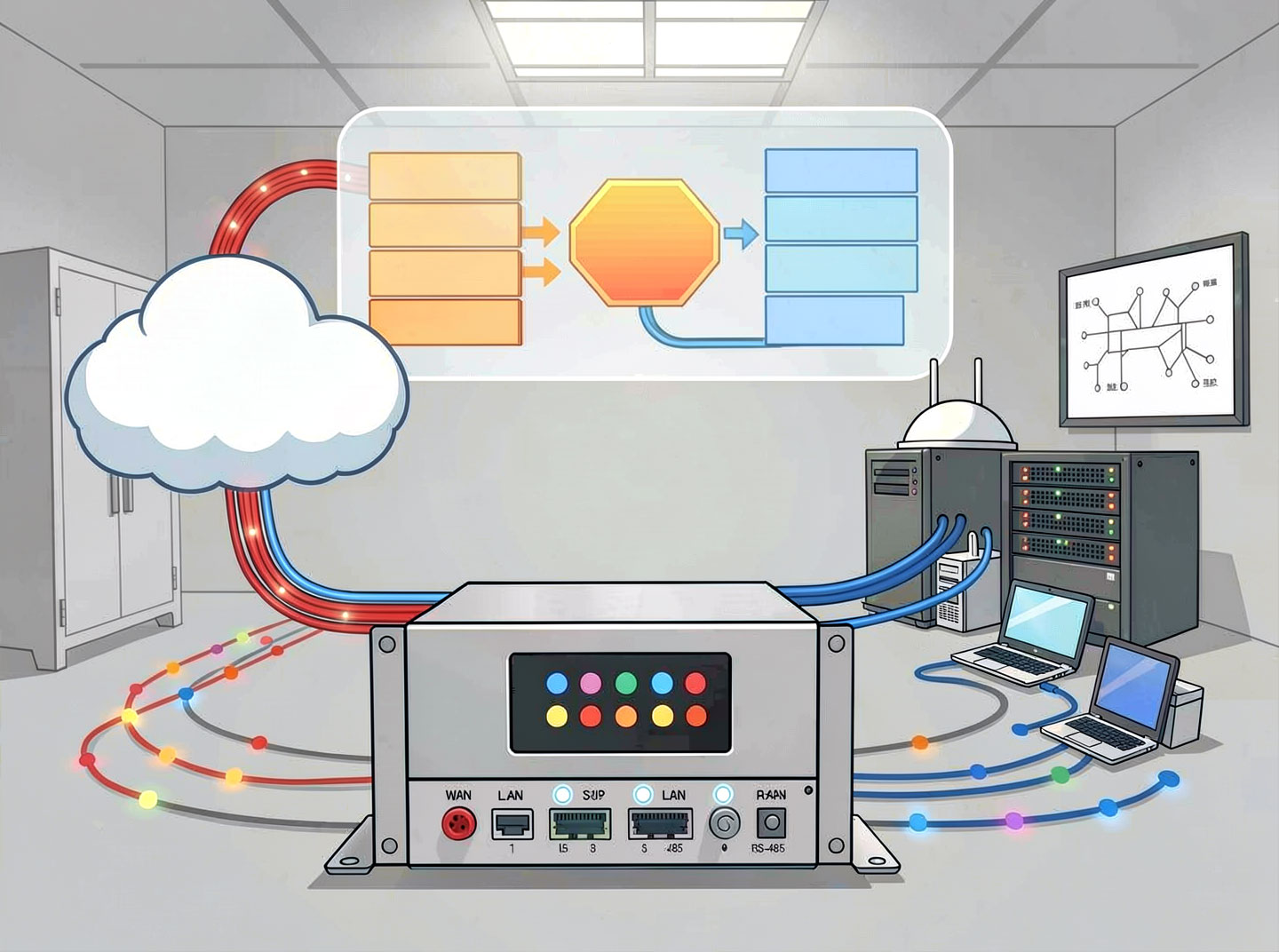
3. Communication Architecture: Connects four servo motors via an RS-485 bus, enabling centralized command distribution and status monitoring.
IV. Application Products

• Servo Motor: PMMP4010B-485-LA-0HE (supports multi-segment position modes and absolute positioning).
• Driver: Equipped with a microcontroller controller, integrating overcurrent and overheat protection functions.
• Sensor: 2500p/r incremental encoder providing position feedback; NTC temperature sensor monitoring water temperature.
V. Problems and Challenges
1. Communication Stability
Specific Manifestation: Occasional communication interruptions and firmware loss during equipment operation.
Solution: Inspection revealed that the power cord and communication cable connectors were prone to loosening and detachment due to mechanical vibration. Replacing them with high-reliability connectors resolved the problem.
2. Mechanical Interference
Specific Manifestation: External impacts caused motor cable displacement.
Solution: Optimized cable routing and added protective sheathing to prevent physical interference.
3. System Compatibility
Specific Manifestation: Timing conflicts during multi-motor collaboration.
Solution: Optimized the microcontroller program and adjusted instruction priorities to ensure synchronized action sequences.
VI. Summary and Overview
The application of servo motors in automatic coffee machines significantly improves equipment efficiency and product quality:
1. Precision Advantage: Closed-loop control enables millimeter-level adjustment of powder quantity, water temperature, and extraction time, ensuring consistent flavor.
2. Efficiency Breakthrough: Parallel control of dual boilers and multiple motors allows for continuous production of 76 cups of cappuccino per hour.
3. Improved Reliability: Optimized solutions addressing communication and mechanical issues reduce maintenance costs and failure rates.
In the future, with further integration of intelligent algorithms, servo systems will demonstrate greater potential in adaptive parameter adjustment, energy consumption optimization, and remote operation and maintenance, further driving the upgrade and iteration of catering automation equipment.