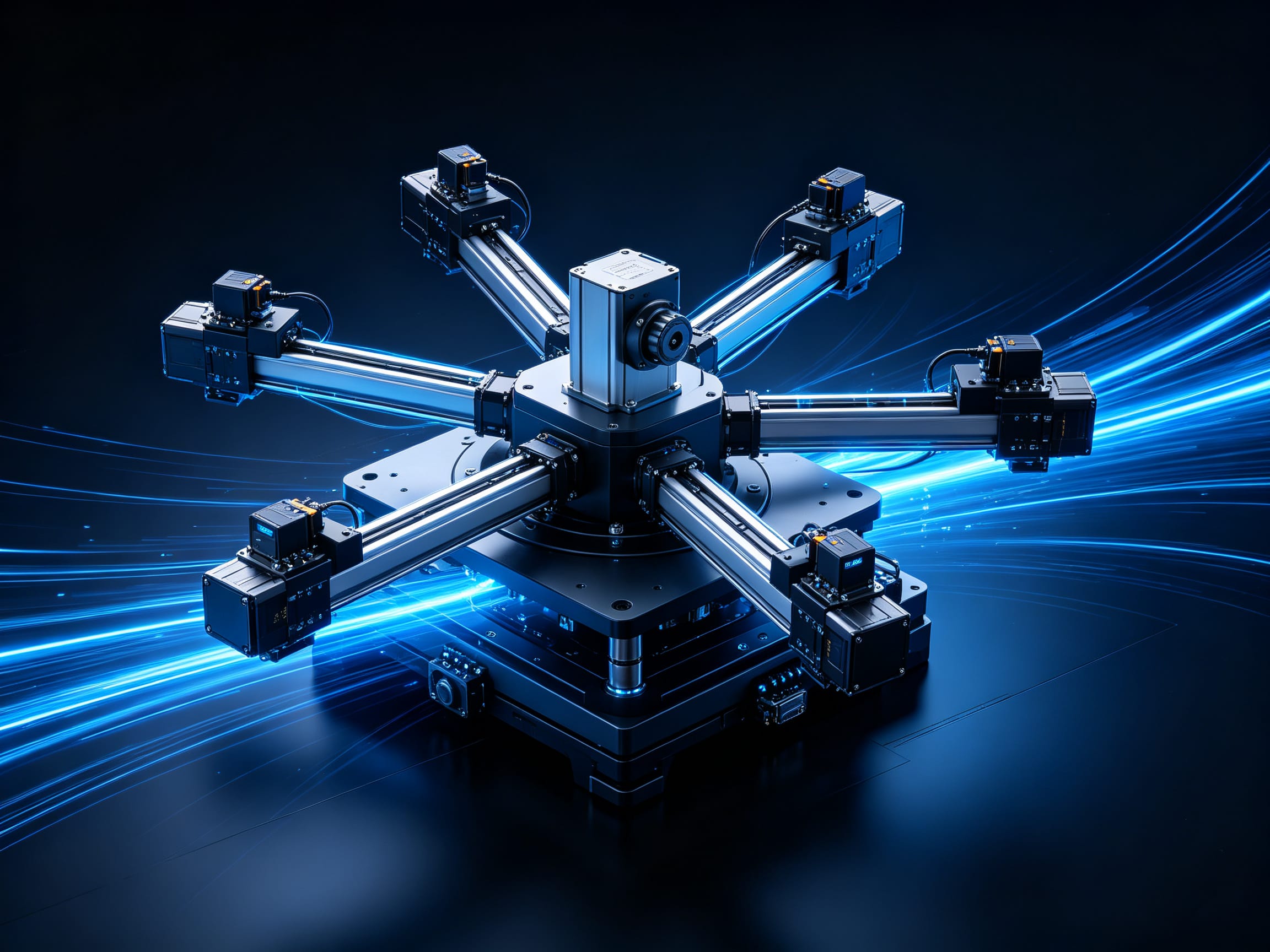
Application Cases of Integrated Servo Motors in Dome Theaters
With the rapid development of multimedia display technology, dome theaters, as a new type of immersive experience equipment, are widely used in cultural tourism, exhibitions, and other fields. For dome theater projects, integrated servo motors have been successfully applied to the outdoor roof lighting angle control system, achieving precise positioning control through pulse mode to create an exceptional visual experience for the audience.

1. Equipment Introduction
A dome theater is a special type of theater that provides viewers with a comprehensive immersive visual experience through a hemispherical or spherical screen. In this project, the integrated servo motor plays a crucial role in controlling the angle of the outdoor roof lighting, ensuring that light is precisely projected onto specific areas to create ideal visual effects.
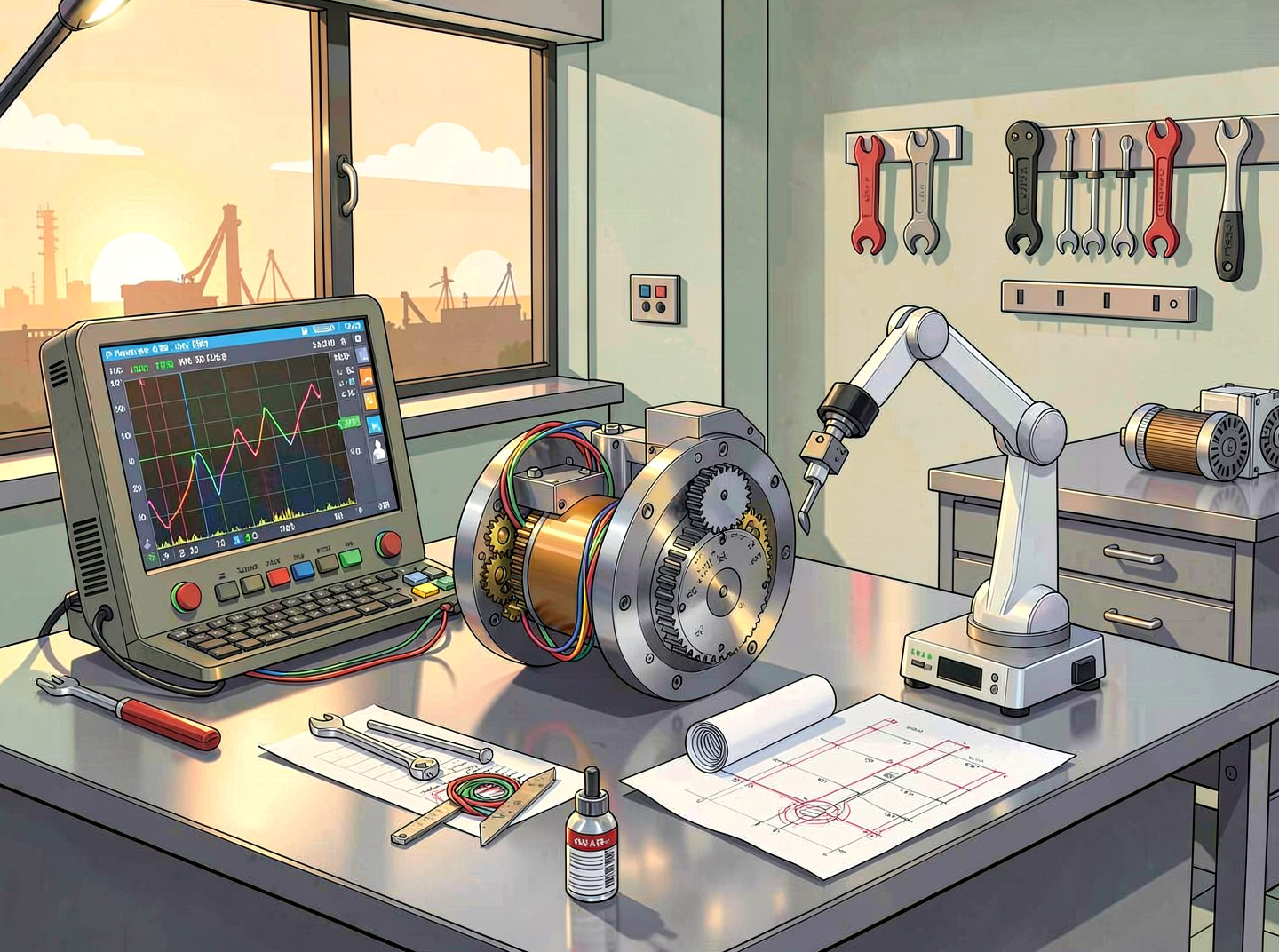
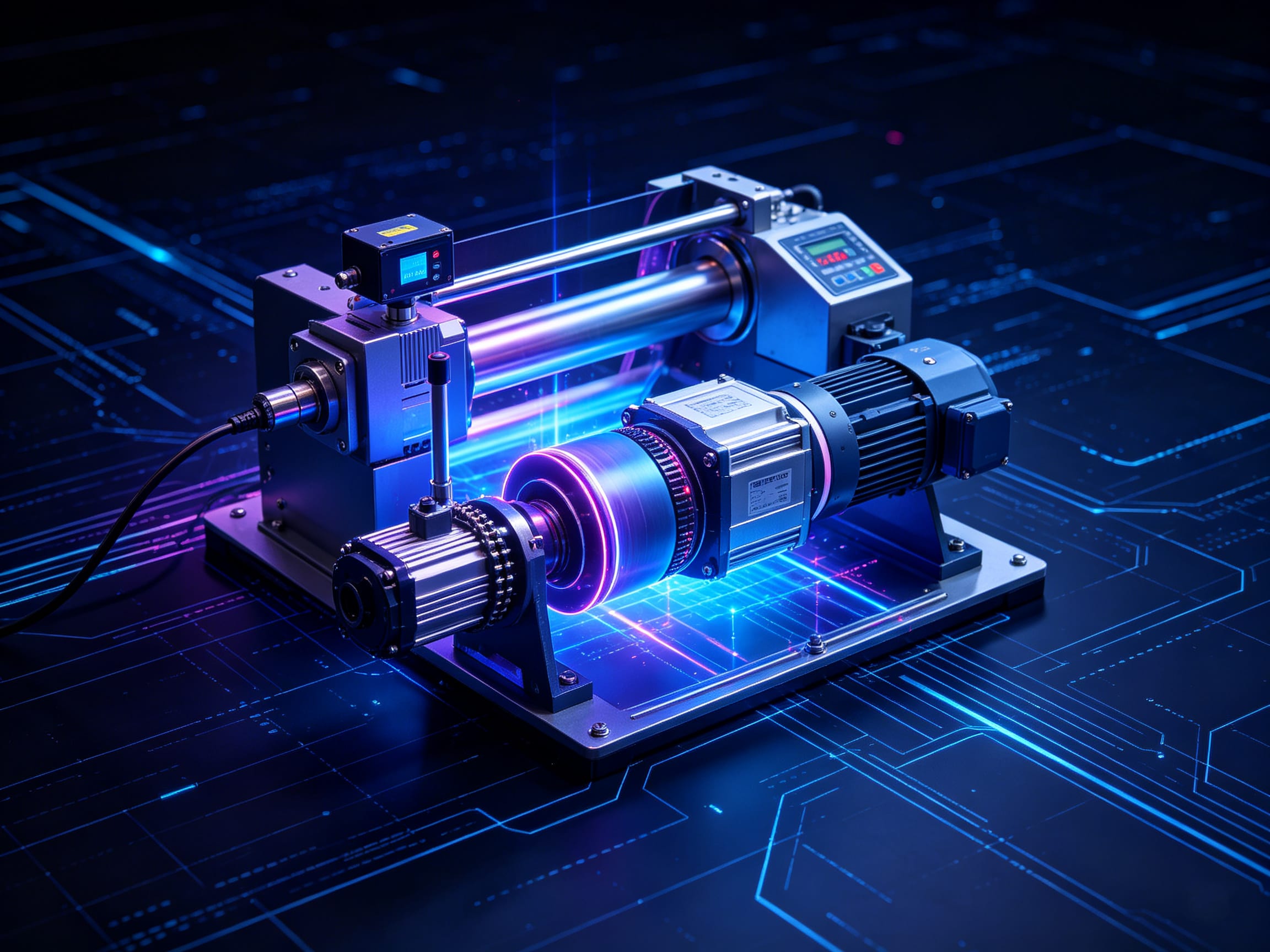
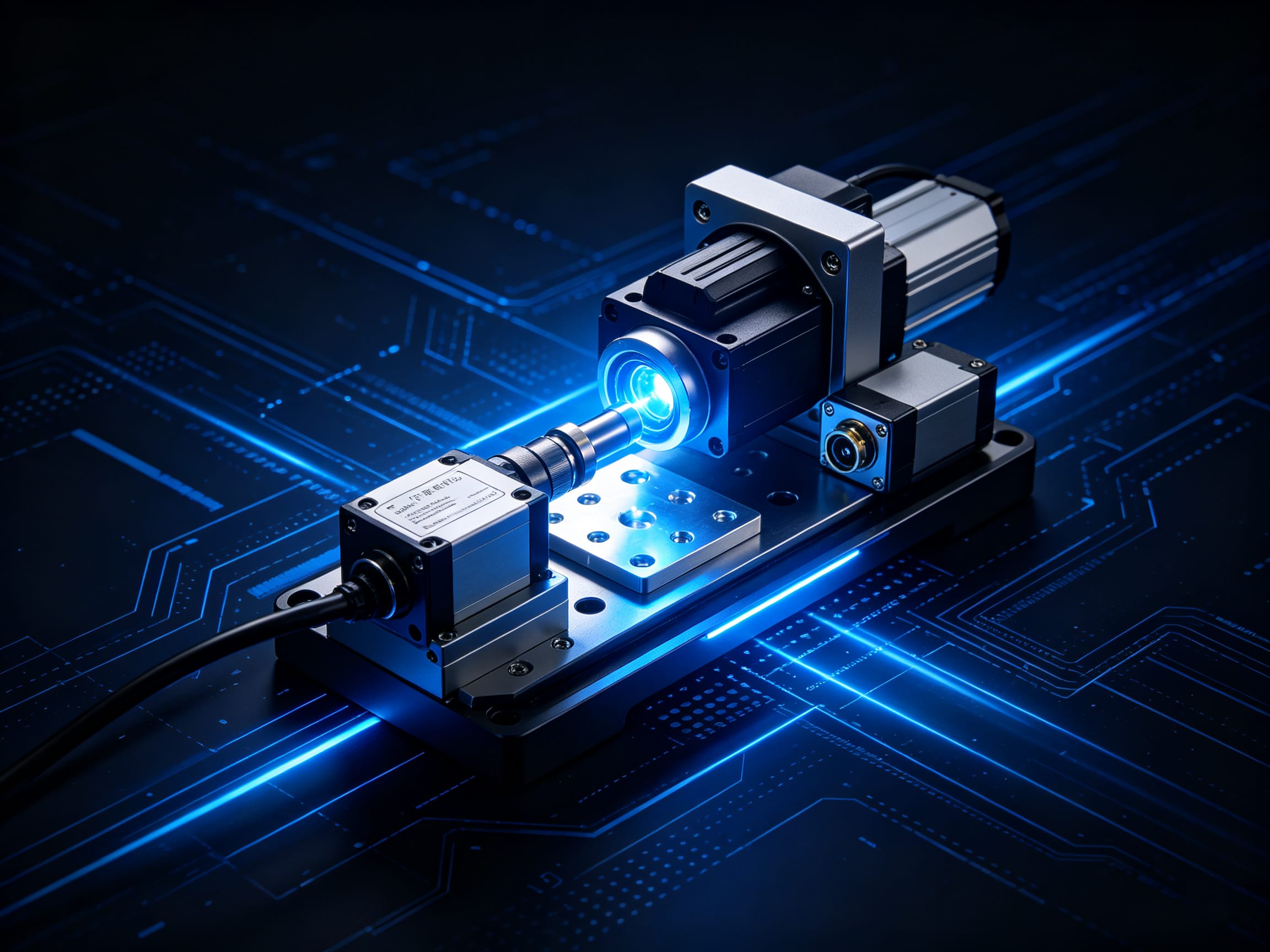
The integrated servo motor integrates a stepper motor, controller, driver, and encoder. Compared to traditional separate designs, it offers advantages such as compact size, higher efficiency, and convenient installation. Its precise position control, speed control, and torque control characteristics make it particularly suitable for lighting control systems with high positioning accuracy requirements.
2. Application Solution
System Configuration (Application Products)

• Equipment Model: PMMP4010D-COE-0HE-D04
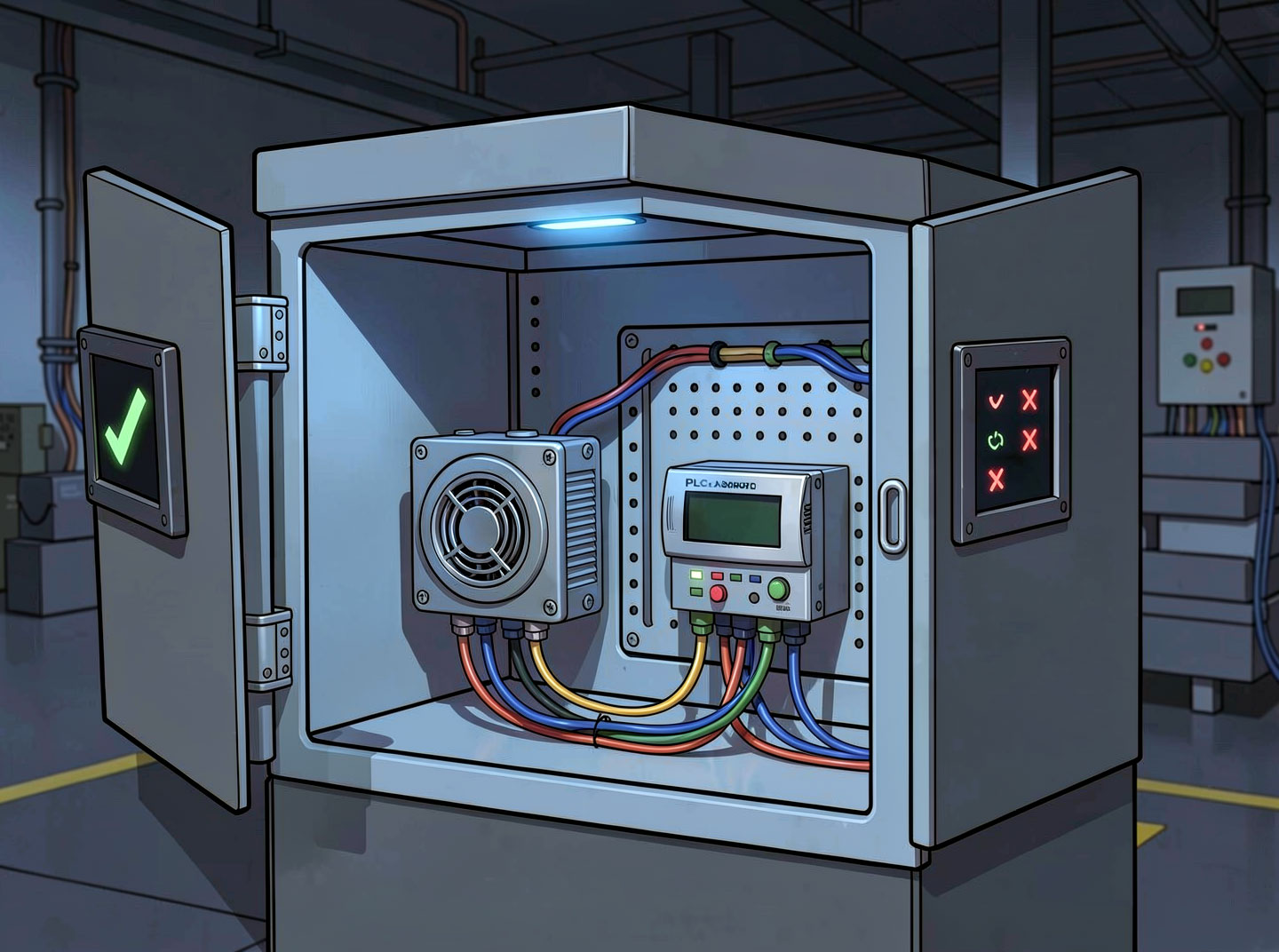
• Control Method: PLC (5V pulse control)
• Transmission Components: Reducer
• Control Mode: Pulse Mode
Technical Implementation
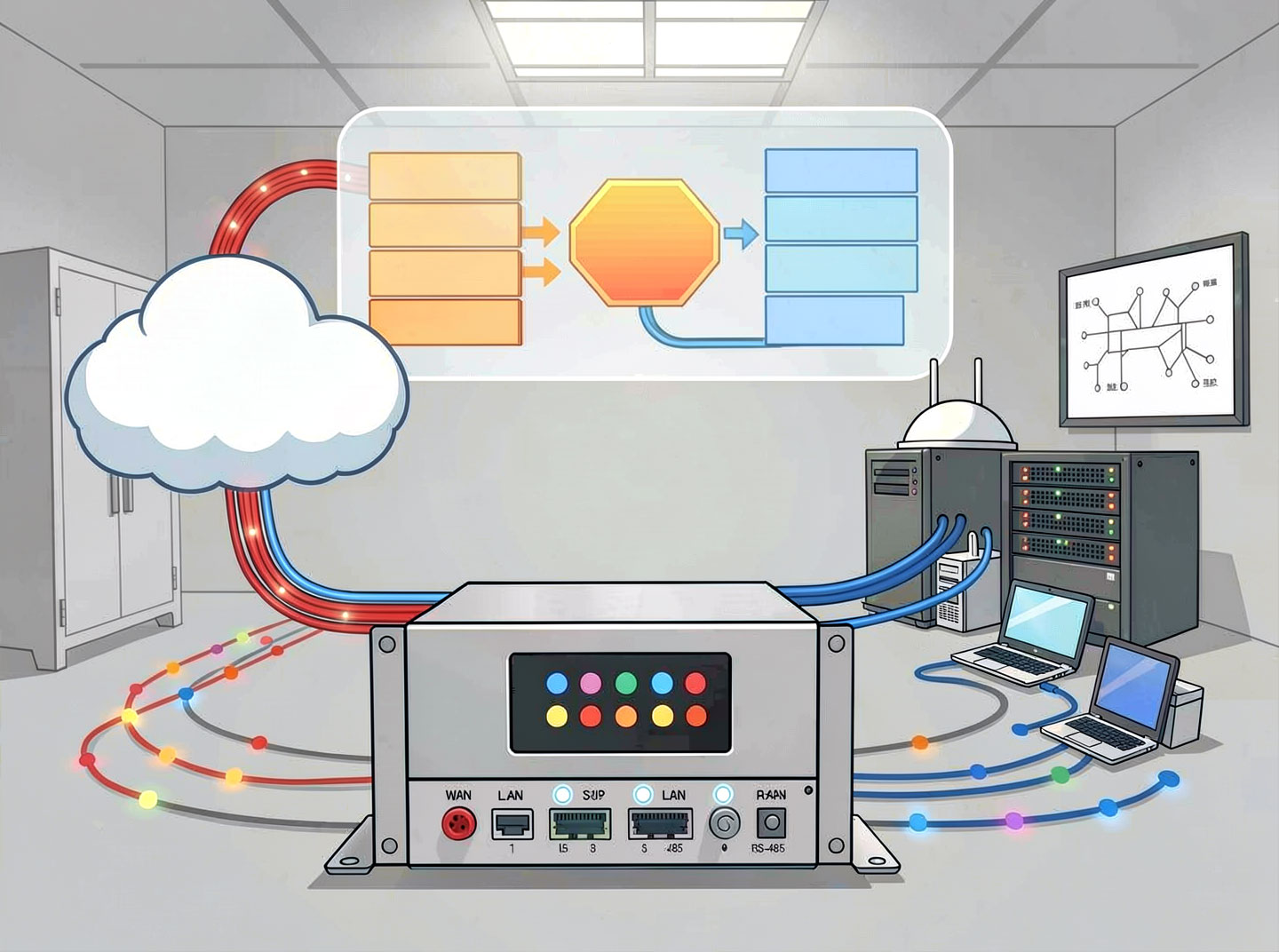
This project involves the installation of over 20 integrated servo motors on the outdoor ceiling of the dome theater. Each motor controls the lighting angle of a specific area. Through 5V pulse signals emitted by the PLC, the motors can precisely adjust the light projection direction, ensuring uniform and accurate lighting throughout the dome area.
3. Problems and Solutions
Main Problems
During equipment commissioning, the customer encountered a technical problem: "The pulse-emitting motor does not move, and there is no alarm output from the DO port." This situation is relatively common in servo system applications and may be related to parameter settings, wiring issues, or equipment malfunction.
Root Cause Analysis
After in-depth investigation, the technical team discovered the root cause of the problem was:
The stall alarm level was configured as a warning instead of a fault. This setting caused the motor to fail to execute motion commands after receiving pulse signals and to fail to return an alarm signal.
Solutions
1. Parameter Reconfiguration: Change the stall alarm level from "Warning" to "Fault".
2. System Function Verification: After the configuration modification, the motor can respond to pulse commands normally and move accurately.
3. Signal Monitoring Optimization: Ensure that the DO port can correctly output alarm signals under abnormal conditions.
4. Summary and Conclusion
This project successfully demonstrated the superior performance of integrated servo motors in the dome theater lighting control system. Through precise pulse control, accurate adjustment of the outdoor ceiling light angle was achieved, providing the audience with a high-quality visual experience. This application case demonstrates:
1. Technical Reliability: The integrated servo motor exhibits excellent stability and precise control capabilities in outdoor environments.
2. Application Value: By optimizing parameter configuration, it solved technical challenges encountered in practical applications, providing valuable reference for similar application scenarios.
3. Expanding Prospects: This solution is not only suitable for dome theaters but can also be extended to other outdoor lighting systems requiring precise angle control.
This case provides a successful technical practice for the technological upgrading and equipment optimization of the cultural tourism industry, showcasing the broad application prospects of industrial automation technology in the cultural and entertainment field.