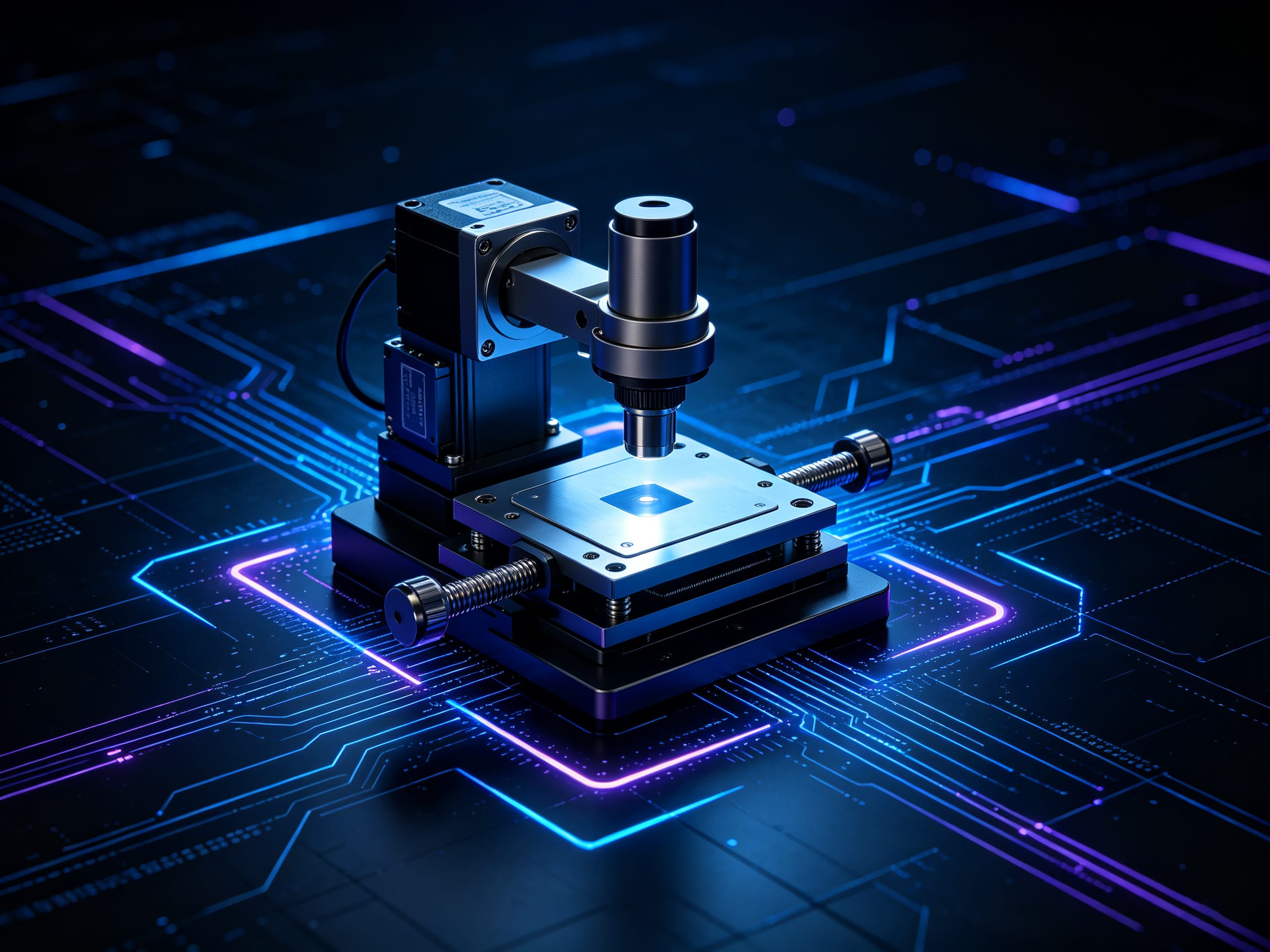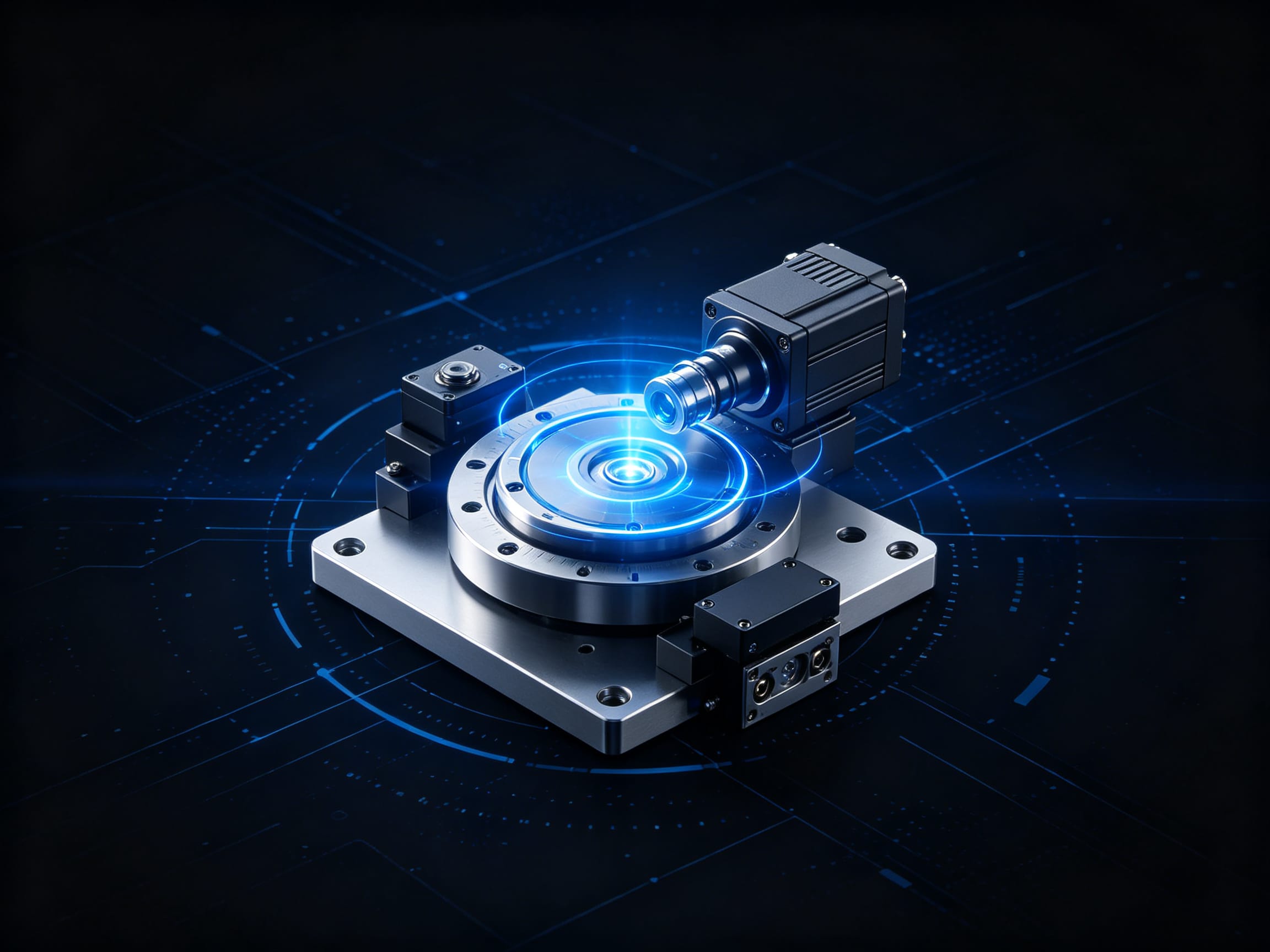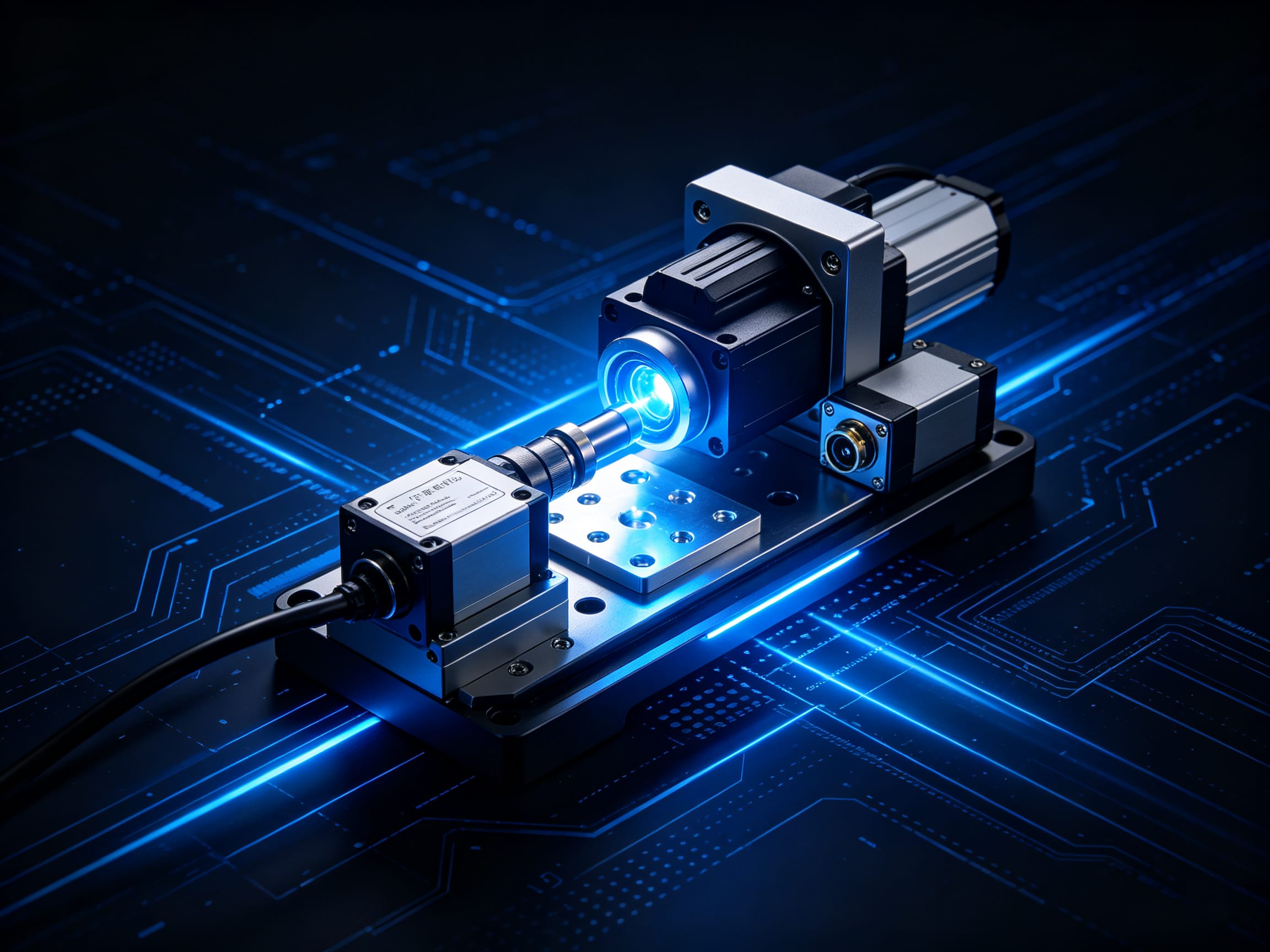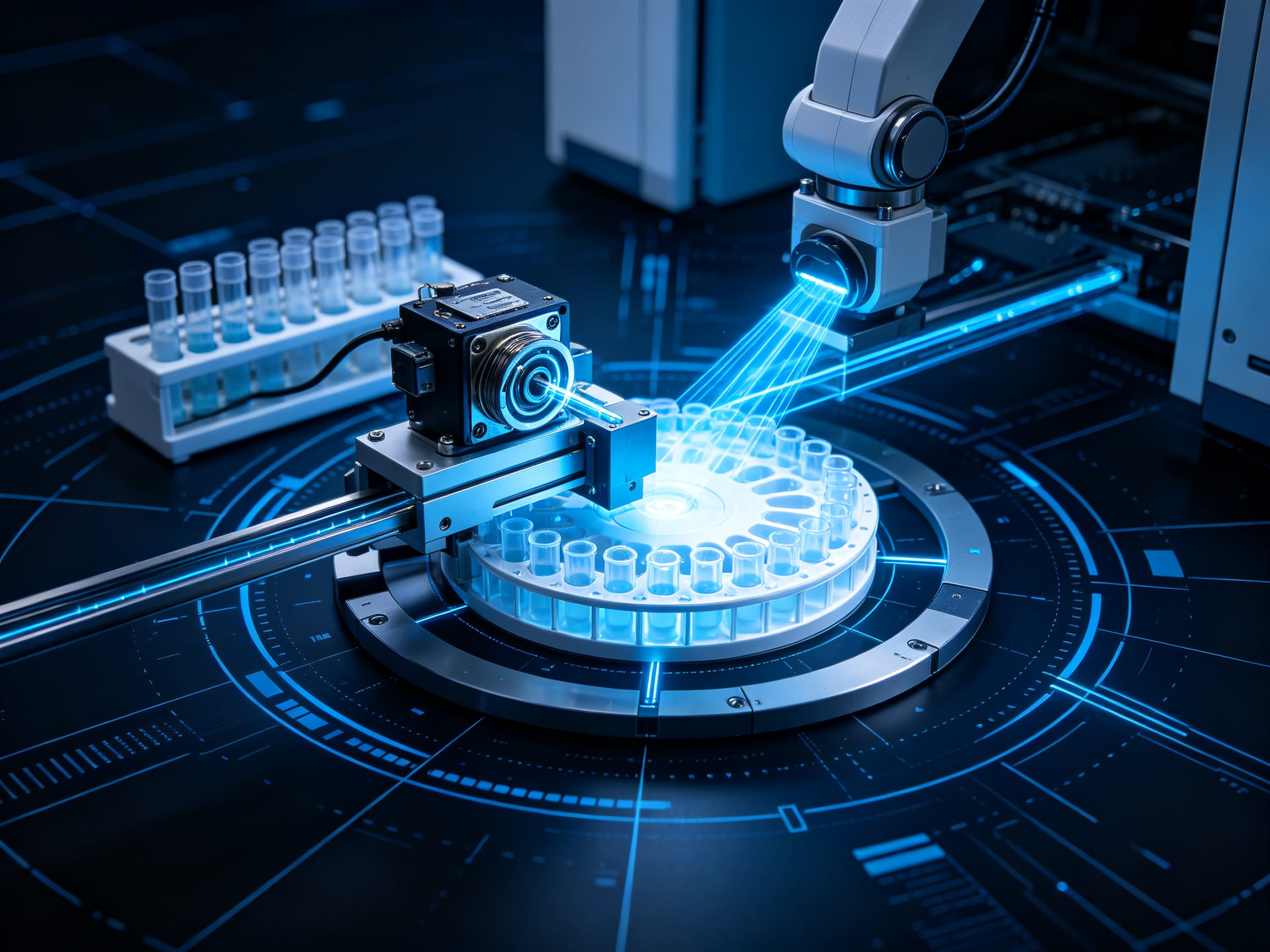
Application of integrated stepping servo motor in precision angle measurement platform
This article aims to introduce the application scenarios, technical features, challenges and solutions of integrated stepper servo motors in angle measurement platforms. Through actual case analysis, the key role of motors in improving angle measurement accuracy and stability is demonstrated.
1. Introduction to application scenarios
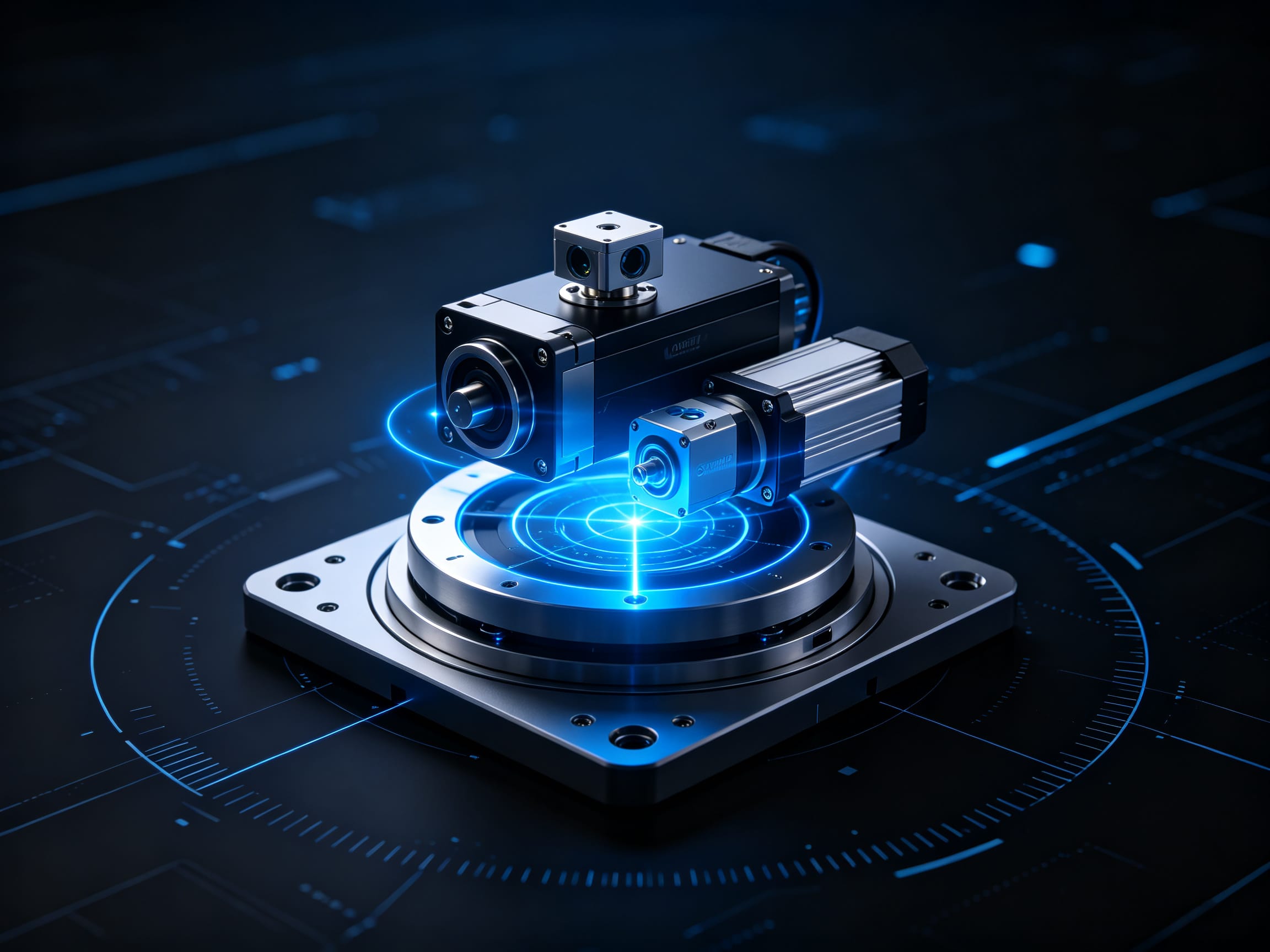
Angle measurement platforms are widely used in scientific research, aerospace, industrial automation and other fields to accurately measure the angle changes of objects. The platform uses high-precision sensors and drive systems to achieve real-time monitoring and control of the rotation angle of objects. Integrated stepper servo motors are ideal for angle measurement platforms with their high precision, high response speed and easy control.
2. Overview of motor models and applications

• Motor model: STM4260B-485-M-0FS
• Application scenario: Angle measurement platform
• Equipment usage: 2 units per platform (one for pitch rotation and one for horizontal rotation)
The STM4260B-485-M-0FS integrated stepper servo motor integrates motors, controllers and transmission components, with a compact structure and easy installation. Its high-precision encoder and advanced control algorithm ensure the accuracy and stability of angle measurement.
3. Functional features and application advantages
In the angle measurement platform, the STM4260B-485-M-0FS motor has the following functional features and application advantages:
• High-precision positioning: Adopt high-precision encoder feedback to achieve precise position control and meet the strict requirements of angle measurement.
• High response speed: The motor responds quickly and can reach the specified position and speed in a short time, improving measurement efficiency.
• Multi-mode operation: Supports PP mode and PV mode, which can be flexibly switched according to actual needs to meet the needs of different application scenarios.
• Easy to control: Through the RS485 communication interface, it is convenient to transmit data and receive instructions with the main control system to realize intelligent control.
4. Customer feedback problems and solutions
In actual applications, customers reported the problem of failure of the pitch motor to return to the original state, and proposed corresponding solutions:
Problem: The on-site feedback from the customer of the research institute showed that the return function of the pitch motor suddenly failed, while the horizontal motor was still effective.
Solution:
1. Preliminary investigation: The motor is offline. The customer is asked to slowly rotate the pitch platform from the beginning to the end. No sensor signal is detected on the motor. It is initially suspected that the I wire of the motor is loose, so the customer is asked to remove the casing to check the cable.
2. In-depth investigation: After checking the cable, the customer found no abnormality. During the test, it was found that the horizontal rotating platform also failed to return to the original state.
3. Environmental factor investigation: It is learned that the equipment is used outdoors and has been working continuously for 6 hours in the sun. The platform shell is very hot. Therefore, it is suspected that the sensor cannot work properly under high temperature.
4. Verification and solution: The customer moved the turntable indoors and tested it again at around 19:00 in the evening. The return function of both motors was restored, verifying the mechanism of sensor failure under high temperature. It is recommended that customers return to the original state before each use, so that the position can be remembered even if the sensor fails.
5. Technical Optimization Suggestions
In order to further improve the performance of the STM4260B-485-M-0FS motor in the angle measurement platform, the following optimization suggestions are proposed:
1. Strengthen heat dissipation management: Optimize the heat dissipation design of the motor for outdoor high temperature environments to ensure that the sensor can still work normally under high temperature conditions.
2. Enhance the stability of I-wire connection: Use a more reliable I-wire connection method and fixture to reduce failures caused by loose cables.
3. Improve the high temperature resistance of the sensor: Select sensors with better high temperature resistance to improve the stability and reliability of the motor in high temperature environments.
6. Conclusion
The STM4260B-485-M-0FS integrated stepper servo motor has shown excellent performance and broad application prospects in the angle measurement platform. Through in-depth analysis of customer feedback issues and actual application cases, we have proposed targeted solutions and technical optimization suggestions. In the future, we will continue to pay attention to the development trends and technical needs of motors in the field of angle measurement, and provide customers with better quality and efficient products and services.