Application and optimization of integrated stepper servo motors in valve control equipment
This article aims to introduce the application scenarios, technical features, common problems and solutions of integrated stepper servo motors in valve automatic control equipment. Through actual case analysis, this paper discusses how to optimize motor performance and improve the stability and reliability of valve control equipment.

1. Introduction to application scenarios
Valve control equipment is widely used in the field of industrial automation to control parameters such as flow direction, flow rate and pressure of fluid media. In industries such as chemical, petroleum, electricity, and water treatment, valve control equipment plays a vital role. Using an integrated motor as the core drive of valve control equipment can improve the operating efficiency and stability of the entire system.
2. Overview of motor models and applications

_20250725114416A056.jpg)
• Motor model: STM4240B-485-M-0FS
• Supporting components: host computer, screw
• Application scenario: valve control equipment
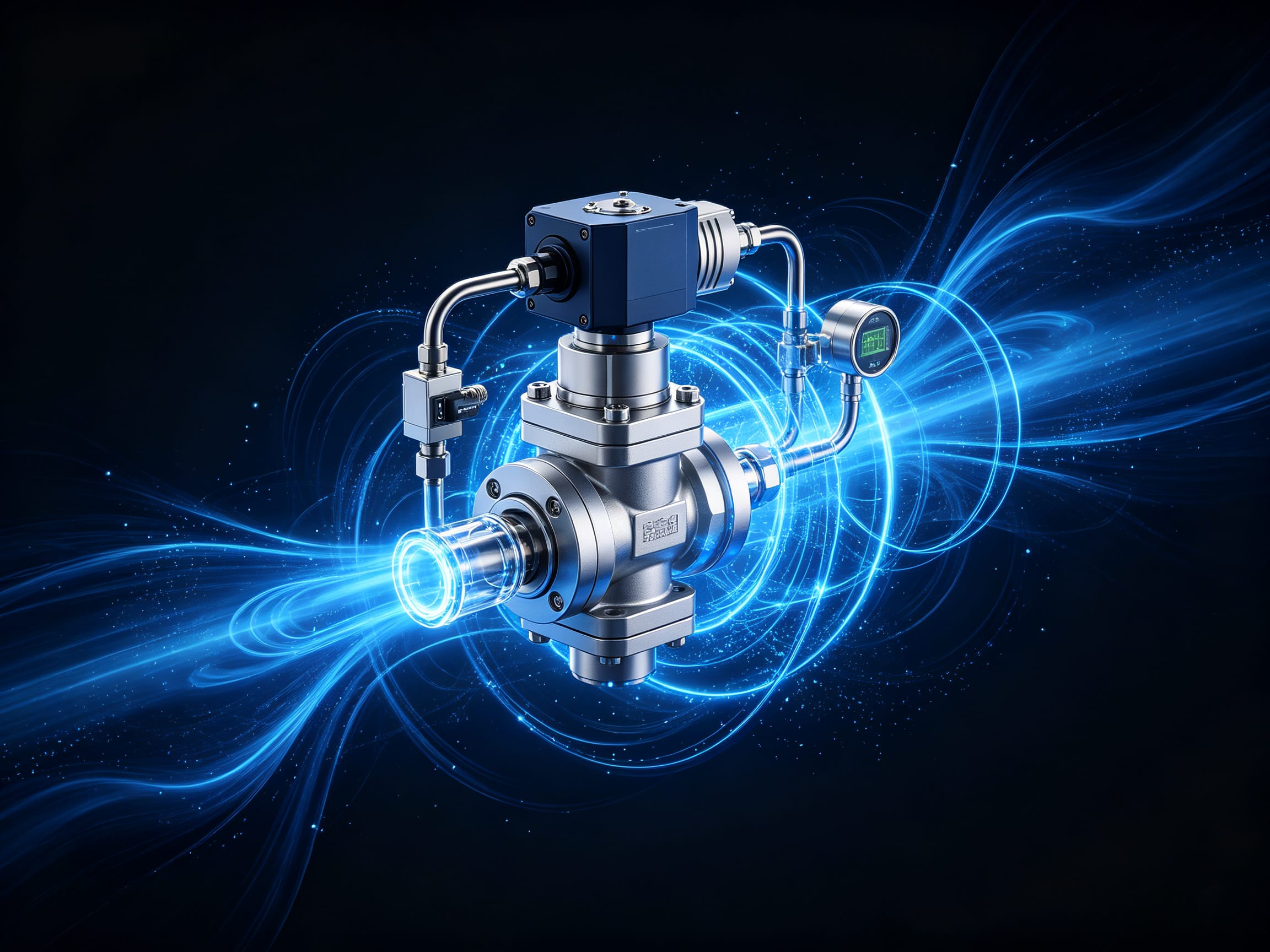
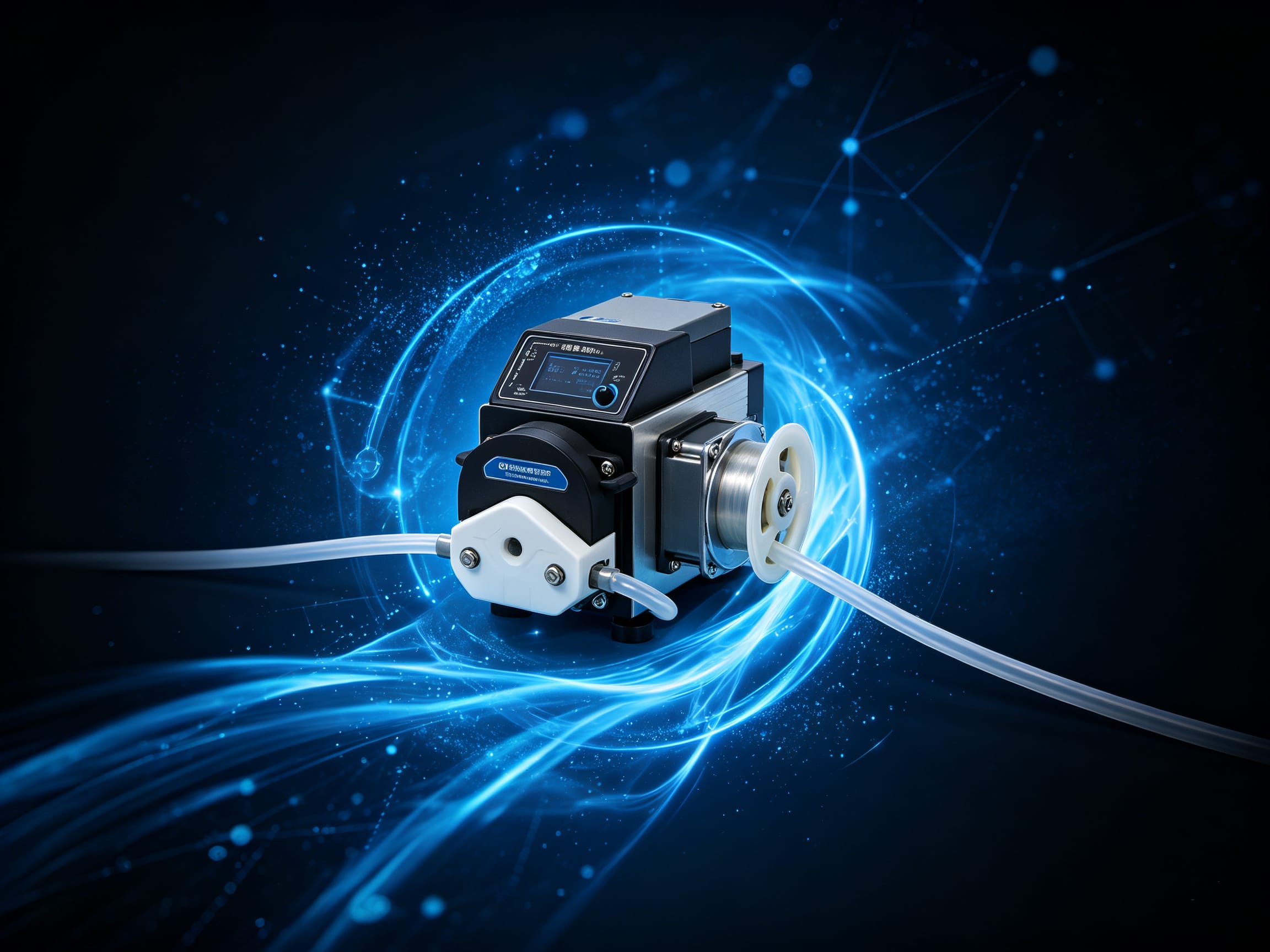
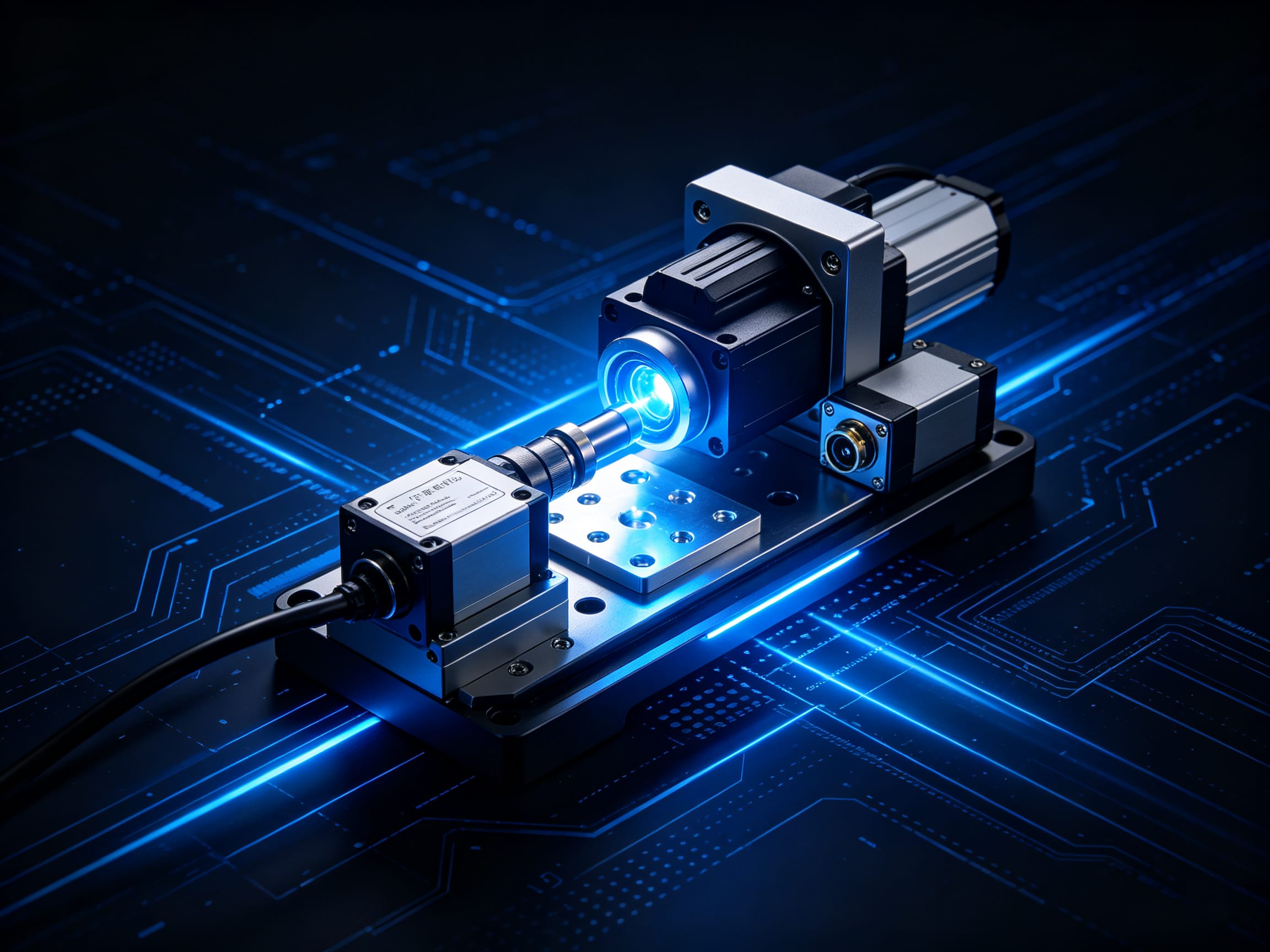
The STM4240B-485 motor has been widely used in valve control equipment with its high precision, high reliability and strong communication capabilities. Through the precise control of the host computer, the motor can drive the screw to achieve precise opening and closing of the valve, meeting the needs of high-precision and high-stability valve control in the field of industrial automation.
3. Functional features and application advantages
In valve control equipment, the STM4240B-485 motor mainly uses the PP mode for position control. This mode can achieve precise positioning of the valve and ensure precise regulation of the fluid medium. In addition, the motor has the following characteristics:
• High precision: Advanced control algorithms and sensor technology are used to achieve high-precision position control.
• High reliability: High-quality materials and advanced manufacturing processes are selected to ensure that the motor can still operate stably under harsh working conditions.
• Strong communication capability: Supports multiple communication protocols to facilitate data transmission and command reception with the host computer.
4. Customer feedback and solutions
In actual applications, customers have reported the following problems and proposed corresponding solutions:
1. Problem 1: The serial port option cannot be found when using the debugging software
Solution: Check the communication mode selection when logging in to the software to ensure that the correct RS485 communication mode is selected, not CANpen communication.
2. Problem 2: The console interface does not have a loop setting function
Solution: Confirm that the motor mode is set correctly and should be in PP mode instead of PV mode. In PP mode, the console interface will provide a loop setting function.
3. Problem 3: The motor shakes left and right after being enabled
Solution: Adjust the PID parameters and optimize the control algorithm to reduce the shaking of the motor. Through fine debugging, ensure that the motor can run smoothly after being enabled.
5. Technical Optimization Suggestions
In order to further improve the performance of the STM4240B-485 motor in valve control equipment, the following optimization suggestions are proposed:
1. Strengthen communication stability: Optimize the communication protocol and improve the anti-interference ability of data transmission. At the same time, strengthen the maintenance and inspection of the communication line to ensure the stability and reliability of the communication line.
2. Optimize the control algorithm: Further optimize the control algorithm of the motor according to the specific needs of valve control. By introducing advanced control strategies such as adaptive control and predictive control, the response speed and control accuracy of the motor are improved.
3. Strengthen heat dissipation design: Consider strengthening heat dissipation measures in motor design, such as adding heat sinks and optimizing air ducts. Ensure that the motor can still maintain stable performance output under high load and long-term operation conditions.
6. Conclusion
Integrated stepper servo motors have shown excellent performance and broad application prospects in valve automatic control equipment. Through in-depth analysis of customer feedback issues and actual application cases, we have put forward targeted solutions and technical optimization suggestions. In the future, we will continue to pay attention to the development trends and technical requirements of motors in the field of valve control equipment, and provide customers with better quality and more efficient products and services.