
The Difference between BLDC and ECM: A Comprehensive Comparison of Motor Technologies
In the realm of modern motor technologies, BLDC (Brushless DC) and ECM (Electronically Commutated Motor) are two prominent players that have revolutionized various industries. This article delves into the differences between BLDC and ECM, covering their definitions, working principles, structural components, performance characteristics, applications, and more.

What is BLDC?
BLDC, or Brushless DC Motor, is a type of synchronous motor that operates without brushes, relying on electronic commutation to control the rotor's position and speed. It has gained widespread popularity due to its high efficiency, reliability, and low maintenance requirements.
Working Principle
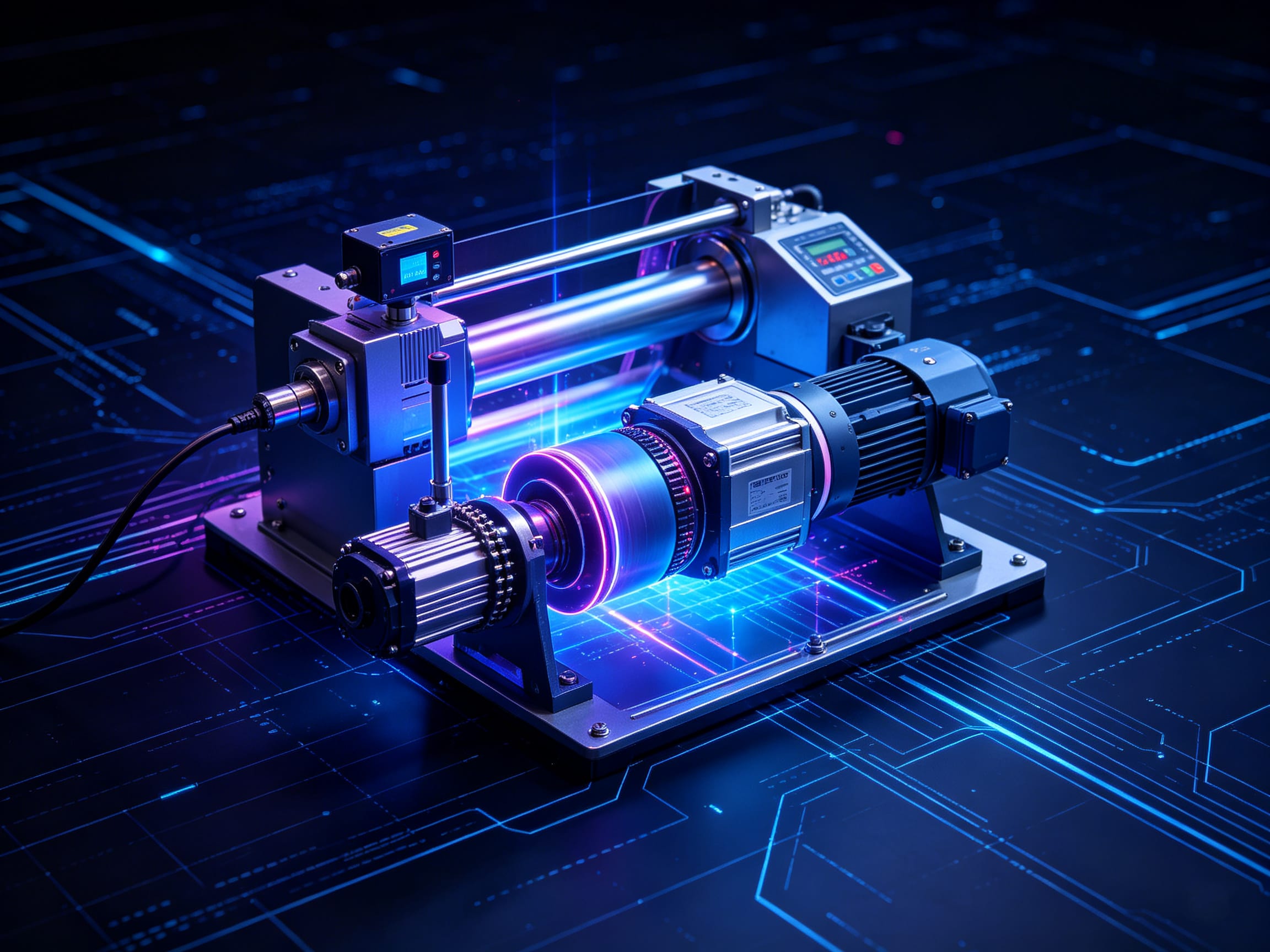
The working principle of BLDC is based on the interaction between the stator's magnetic field and the rotor's permanent magnets. The stator consists of windings that are energized in a specific sequence by an electronic controller. This creates a rotating magnetic field that interacts with the permanent magnets on the rotor, causing it to rotate. The position of the rotor is continuously monitored by sensors (such as Hall effect sensors), which provide feedback to the controller to ensure precise commutation.
Structural Components

- Stator: Contains windings that generate the magnetic field when energized.
- Rotor: Equipped with permanent magnets that interact with the stator's magnetic field.
- Electronic Controller: Manages the sequence of current flow through the stator windings based on rotor position feedback.
- Sensors: Typically Hall effect sensors, used to detect the rotor's position and provide feedback to the controller.
Performance Characteristics
- High Efficiency: BLDC motors are highly efficient, with efficiencies typically ranging from 85% to 95%. The absence of brushes reduces friction losses, and the electronic commutation ensures optimal use of electrical energy.
- High Power Density: They offer high power output relative to their size and weight, making them suitable for applications where space and weight are critical factors.
- Precise Speed Control: The electronic controller allows for precise regulation of speed and torque, enabling smooth and accurate operation.
- Low Maintenance: Since there are no brushes to wear out, BLDC motors require minimal maintenance, reducing downtime and operational costs.
- Long Lifespan: The elimination of brush wear and the use of high-quality materials contribute to a longer operational life.
Applications

BLDC motors are widely used in various industries, including:
- Consumer Electronics: Fans, hard disk drives, drones, and cordless power tools.
- Automotive: Electric and hybrid vehicles, power steering systems, and HVAC systems.
- Industrial Automation: CNC machines, robotics, and conveyor systems.
- Aerospace: Satellite systems, aircraft actuators, and propulsion systems.
What is ECM?
ECM, or Electronically Commutated Motor, is a type of motor that uses electronic commutation to control the rotor's position and speed, similar to BLDC motors. However, ECM motors are often designed for specific applications, particularly in HVAC (Heating, Ventilation, and Air Conditioning) systems, and have some distinct features.
Working Principle
The working principle of ECM is also based on the interaction between the stator's magnetic field and the rotor's permanent magnets. The stator windings are energized in a specific sequence by an electronic controller, creating a rotating magnetic field that drives the rotor. The key difference lies in the design and control strategy, which are optimized for variable speed operation and energy efficiency in HVAC applications.
Structural Components

- Stator: Contains windings that generate the magnetic field, often designed for variable speed operation.
- Rotor: Equipped with permanent magnets, similar to BLDC motors.
- Electronic Controller: More sophisticated than BLDC controllers, capable of advanced algorithms for variable speed control and energy optimization.
- Sensors: May include Hall effect sensors or other types of position sensors, depending on the application.
Performance Characteristics
- High Energy Efficiency: ECM motors are known for their high energy efficiency, often exceeding 90% in HVAC applications. They can adjust their speed based on the load requirements, minimizing energy consumption.
- Variable Speed Operation: ECM motors excel in variable speed applications, providing smooth and quiet operation over a wide range of speeds. This is particularly beneficial in HVAC systems, where the motor can adjust its speed based on the cooling or heating demand.
- Low Noise and Vibration: The design and control strategy of ECM motors result in low noise and vibration levels, enhancing user comfort in applications such as fans and blowers.
- Robustness: ECM motors are designed to withstand harsh environmental conditions, making them suitable for outdoor and industrial applications.
- Cost-Effective: While the initial cost may be higher than traditional motors, the long-term energy savings and low maintenance requirements make ECM motors cost-effective over their operational life.
Applications

ECM motors are predominantly used in HVAC systems, including:
- HVAC Systems: Air handlers, fans, blowers, and condenser fans in residential and commercial buildings.
- Refrigeration and Freezing Systems: Commercial refrigerators, freezers, and cold storage facilities.
- Industrial Ventilation: Industrial exhaust fans, air movers, and ventilation systems.
- Appliances: Some high-end appliances such as washing machines and dryers.
Key Differences Between BLDC and ECM
While both BLDC and ECM motors use electronic commutation, there are several key differences between them:
Design and Application Focus
- BLDC: Designed for a wide range of applications, including consumer electronics, automotive, industrial automation, and aerospace. They are optimized for high power density, precise speed control, and reliability.
- ECM: Primarily focused on HVAC and related applications. They are optimized for variable speed operation, energy efficiency, and low noise and vibration.
Control Strategy
- BLDC: The control strategy is relatively straightforward, focusing on precise commutation and speed control. The electronic controller ensures that the stator windings are energized in the correct sequence based on rotor position feedback.
- ECM: Features more advanced control algorithms, capable of optimizing energy consumption based on load requirements. The controller can adjust the motor speed dynamically to match the demand, resulting in significant energy savings.
Efficiency and Speed Range
- BLDC: High efficiency across a wide range of speeds, but the efficiency may drop at very low speeds. They are capable of high-speed operation, often exceeding 10,000 RPM.
- ECM: Exceptional efficiency at variable speeds, particularly in the low to medium speed range, which is common in HVAC applications. They can operate at speeds as low as 100 RPM and as high as 3,000 RPM, with smooth and quiet operation.
Cost and Complexity
- BLDC: Generally lower in cost and complexity compared to ECM motors. The electronic controller is simpler, and the overall design is more straightforward.
- ECM: Higher initial cost due to the advanced control algorithms and sophisticated electronic components. However, the long-term energy savings and low maintenance requirements justify the higher upfront cost in many applications.
Noise and Vibration
- BLDC: Can produce higher noise and vibration levels at high speeds, depending on the design and application.
- ECM: Designed to minimize noise and vibration, making them ideal for applications where user comfort is a priority, such as residential HVAC systems.
Conclusion
Both BLDC and ECM motors offer significant advantages over traditional brushed motors, including high efficiency, low maintenance, and precise speed control. However, their design and application focus set them apart. BLDC motors are versatile and suitable for a wide range of industries, while ECM motors are optimized for HVAC and related applications, excelling in variable speed operation and energy efficiency.
When selecting a motor for a specific application, it is essential to consider the requirements such as speed range, efficiency, noise levels, and cost. BLDC motors are ideal for applications requiring high power density and precise control, while ECM motors are the preferred choice for HVAC systems and other applications where variable speed operation and energy savings are critical.
References
- "Brushless DC Motors: Principles and Applications" by A. K. Sawhney
- "Electronically Commutated Motors: Theory and Applications" by R. K. Srivastava
- "HVAC Systems and Applications" by ASHRAE Handbook
- "Motor Control and Drives" by P. C. Sen