
how to select the right Integrated Brushless Motor (BLDC)
LMS_James2026-04-0110 views
Key Performance Parameters to Consider

1. Power and Torque Requirements
- Power Rating: Determine the required mechanical power output based on your application's load and speed requirements. The power (P) can be calculated using the formula: , where is the torque and is the angular velocity (in radians per second). For example, if your application requires 0.5 Nm of torque at 2000 RPM (which is approximately 209.44 rad/s), the required power would be watts. It is recommended to choose a motor with a power rating 20%-30% higher than the calculated requirement to account for inefficiencies and transient loads.
- Torque Specifications: Consider both the continuous torque and peak torque. Continuous torque is the torque the motor can sustain indefinitely without overheating, while peak torque is the maximum torque the motor can produce for short periods (typically a few seconds). Applications that require occasional high torque bursts, such as robotic arms lifting heavy loads, should prioritize motors with a high peak torque-to-continuous torque ratio.
2. Speed Range and Control Precision
- Speed Range: Identify the minimum and maximum operating speeds required for your application. Integrated BLDC motors can typically operate over a wide speed range, but it is important to ensure that the motor's rated speed matches your application's needs. For example, a drone propulsion motor may need to operate at speeds up to 10,000 RPM, while a CNC spindle motor may require precise control at speeds as low as 100 RPM.
- Control Precision: If your application requires precise speed or position control, look for motors with high-resolution position sensors, such as Hall effect sensors with multiple poles or optical encoders. The number of poles in the rotor affects the control precision; motors with more poles provide finer control over the rotor's position, enabling smoother and more accurate operation. For instance, a motor with 12 poles will provide more precise control than a motor with 4 poles.
3. Efficiency and Energy Consumption
- Efficiency Rating: Integrated BLDC motors are known for their high efficiency, typically ranging from 85% to 95%. However, the efficiency can vary depending on the motor's design and operating conditions. Look for motors with high efficiency across the entire speed range, especially if your application is battery-powered or requires continuous operation. For example, a motor with 90% efficiency will consume less energy than a motor with 85% efficiency, resulting in longer runtime for battery-powered devices or lower energy costs for stationary applications.
- Energy Consumption: Calculate the expected energy consumption based on the motor's efficiency and the application's operating profile. For battery-powered applications, such as drones or cordless vacuum cleaners, a more efficient motor will extend the device's runtime between charges. For example, if a motor consumes 100 watts of electrical power and has an efficiency of 90%, the mechanical power output will be 90 watts, with 10 watts lost as heat.
Application-Specific Selection Factors

1. Size and Weight Constraints
- Compact Design: Integrated BLDC motors are inherently more compact than traditional brushed motors or separate BLDC motors with external drivers. However, the size and weight can still vary depending on the motor's power rating and design. For applications with strict size and weight limitations, such as drones, wearable robots, or medical devices, choose motors with a high power density (power output per unit volume or weight). Look for motors with a slim profile and lightweight materials, such as aluminum housings and rare-earth magnets.
- Mounting Options: Consider the available mounting space and the type of mounting required for your application. Integrated BLDC motors come in various mounting configurations, such as flange mounting, shaft mounting, or bracket mounting. Ensure that the motor's mounting dimensions match your application's requirements to avoid the need for additional adapters or modifications.
2. Environmental Conditions
- Temperature Range: Integrated BLDC motors are designed to operate in a wide range of temperatures, but it is important to choose a motor that can withstand the specific temperature conditions of your application. For example, motors used in outdoor applications, such as agricultural drones or industrial robots in hot environments, should have a high-temperature rating (typically up to 150°C or higher). Motors used in cold environments, such as refrigeration systems or Arctic exploration equipment, should be able to operate at low temperatures (typically down to -40°C or lower).
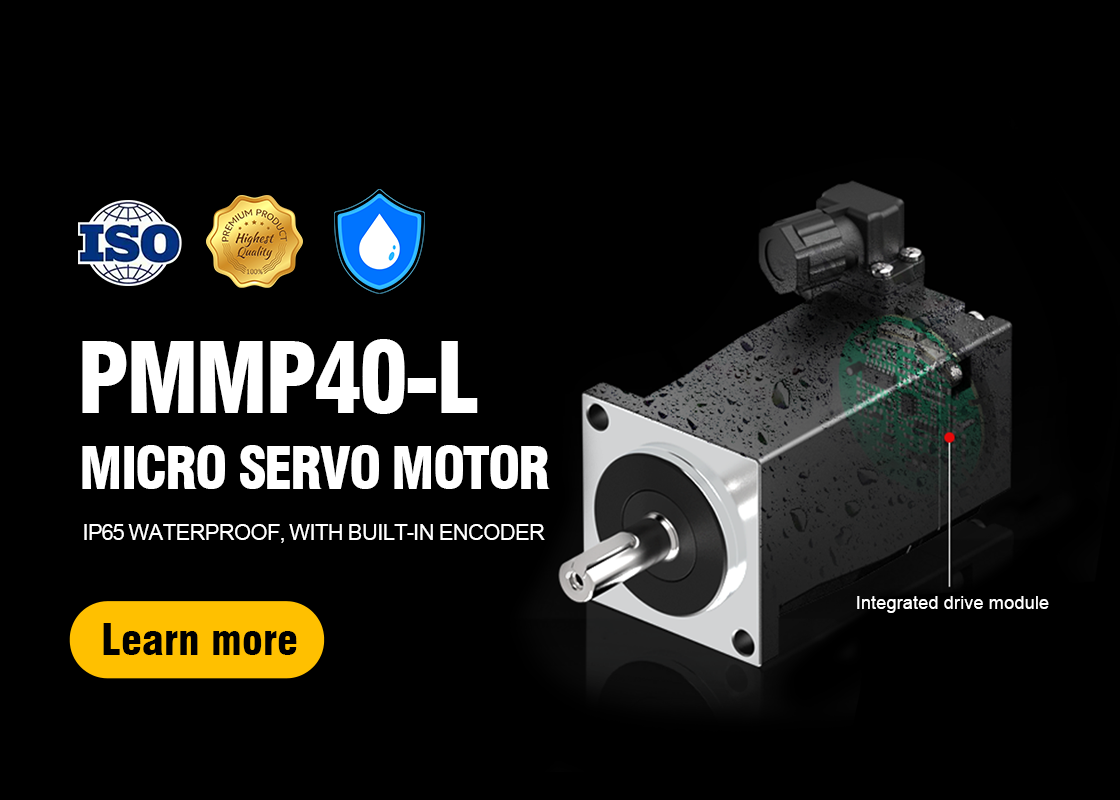
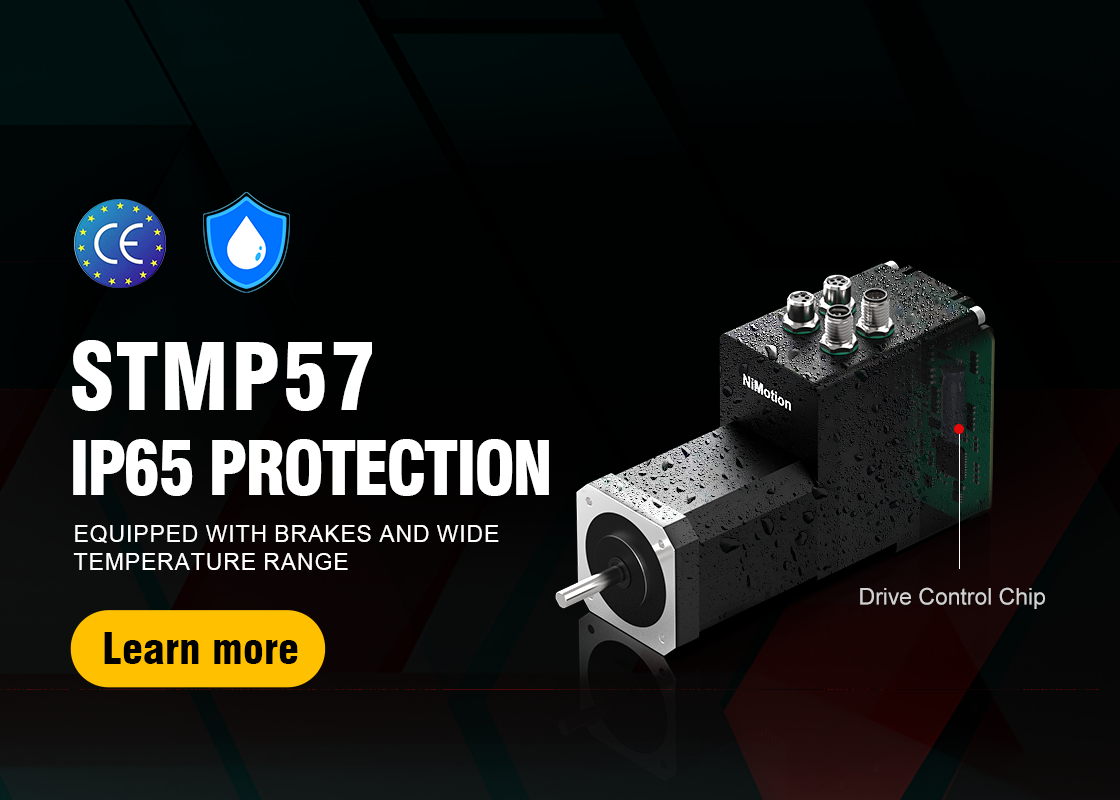
- Moisture and Dust Resistance: If your application is exposed to moisture or dust, choose motors with appropriate ingress protection (IP) ratings. For example, motors used in outdoor or industrial environments may require an IP65 rating, which means they are protected against water jets and dust. Motors used in cleanroom environments may require a higher IP rating, such as IP67, which means they are protected against immersion in water and dust.
3. Control System Compatibility
- Communication Interfaces: Integrated BLDC motors typically offer various communication interfaces, such as UART, SPI, I2C, or CAN bus. Ensure that the motor's communication interface is compatible with your control system. For example, if your microcontroller supports UART communication, choose a motor with a UART interface. Some motors also support more advanced communication protocols, such as EtherCAT or Modbus, which are suitable for industrial automation applications.
- Control Algorithms: Consider the control algorithms supported by the motor's integrated driver. For applications requiring precise speed or position control, look for motors with built-in PID (Proportional-Integral-Derivative) control or Field-Oriented Control (FOC) algorithms. PID control is suitable for most applications and provides good performance with relatively simple tuning, while FOC provides more precise control, especially at low speeds and under varying loads.
Additional Selection Considerations

1. Cost and Total Ownership
- Initial Cost: Integrated BLDC motors are generally more expensive than traditional brushed motors or separate BLDC motors with external drivers. However, the initial cost should be balanced against the long-term benefits, such as lower maintenance costs and higher energy efficiency. For example, a high-quality Integrated BLDC motor may have a higher upfront cost, but it will require less maintenance and consume less energy over its lifetime, resulting in a lower total cost of ownership.
- Total Cost of Ownership: Calculate the total cost of ownership over the motor's expected lifespan. This includes the initial purchase cost, energy consumption costs, maintenance costs, and replacement costs. For example, a motor with a lower initial cost may have higher energy consumption and maintenance costs, resulting in a higher total cost of ownership than a more expensive motor with higher efficiency and lower maintenance requirements.
2. Availability and Support
- Availability: Ensure that the motor is readily available from reliable suppliers. Consider the lead time for delivery and the availability of spare parts and accessories. For applications with high volume requirements, such as consumer electronics or industrial automation, it is important to choose motors that are in mass production and have a stable supply chain.
- Technical Support: Look for suppliers that provide good technical support, including documentation, application notes, and customer service. This can be especially important for complex applications or when troubleshooting issues. Some suppliers also offer customization services, such as modifying the motor's specifications or control algorithms to meet specific application requirements.
Summary of Selection Steps
- Define Application Requirements: Clearly define the power, torque, speed, control precision, size, weight, environmental conditions, and control system compatibility requirements for your application.
- Calculate Key Parameters: Calculate the required power and torque based on the application's load and speed requirements, and determine the expected energy consumption based on the motor's efficiency.
- Evaluate Motor Options: Evaluate different Integrated BLDC motors based on their performance parameters, application-specific factors, and additional considerations such as cost and support.
- Prototype and Test: Select a shortlist of motors and test them in a prototype setup to verify their performance and compatibility with your application. This will help you identify any potential issues and ensure that the motor meets your requirements.
- Finalize Selection: Based on the test results and your application requirements, finalize the selection of the most suitable Integrated BLDC motor.
By following this systematic approach, you can select the right Integrated BLDC motor for your application, ensuring optimal performance, efficiency, and reliability. If you have any specific questions about motor selection for a particular application, feel free to ask and I will provide further guidance.
Share to: