[Popular Science] Teach you to know 10 working modes of motors (S1~S10)
.webp)
Nowadays, motors are almost everywhere in our lives, from national defense, industry and agriculture, transportation, clinical equipment, communications to washing machines, fans, vacuum cleaners, electric robots, etc. in life, all kinds of motors are used.
As a device that can convert electrical energy into mechanical energy, the motor is an indispensable and important equipment in modern industrial production and daily life.
Therefore, motors are used in almost all sports scenes and controlled by drive devices, but the working states of motors in different sports scenes are different. Some motors are always in operation, some motors run for a short time during the working cycle, and some motors run alternately during the cycle. Therefore, based on this, the concept of motor working system is introduced.
01. Overview of work system
The working mode of a motor refers to the working mode of the motor under certain conditions. It can be roughly divided into three categories according to the length of the motor's working time: continuous operation, short-term operation, and intermittent operation.
For ease of understanding, we can compare the "motor" to a "worker":

1. "Continuous operation" is like a person working 24 hours a day. . . Working all the time, so the "continuous operation" of the motor means that the motor runs continuously without interruption at the rated voltage and rated load. (Usually, when the user does not specify the working system, the manufacturer should default to continuous working system operation.)
2. "Short-term operation" is like a person working only one hour a day (see this sense of relaxation). The "short-term operation" of the motor actually means that the motor runs only within a limited time under rated conditions, with a short working cycle and a long stop cycle.
When the motor runs for a specified time under the rated load, it will stop running immediately and can only be restarted after cooling.
If it continues to run beyond the specified time, the motor may overheat and be damaged. There are four standards for the duration of short-term operation of the motor: 10min, 30min, 60min, and 90min.
3. "Intermittent operation" is like a person working for 3 hours and then resting for 5 hours, and so on. The "intermittent operation" of a motor actually means that the motor can only run intermittently under rated conditions, that is, the motor needs to "rest" after working for a period of time.
It is usually expressed by the temporary load rate, that is, the percentage of the motor's continuous load operation time and the cycle in a cycle. There are generally four types: 15%, 25%, 40%, and 60%. For example, a motor running at a temporary load rate of 40% will work for 4 minutes and "rest" for 6 minutes in a 10-minute cycle, and it will run alternately in this cycle. If the motor runs beyond the temporary load rate, it may be overloaded and damaged.
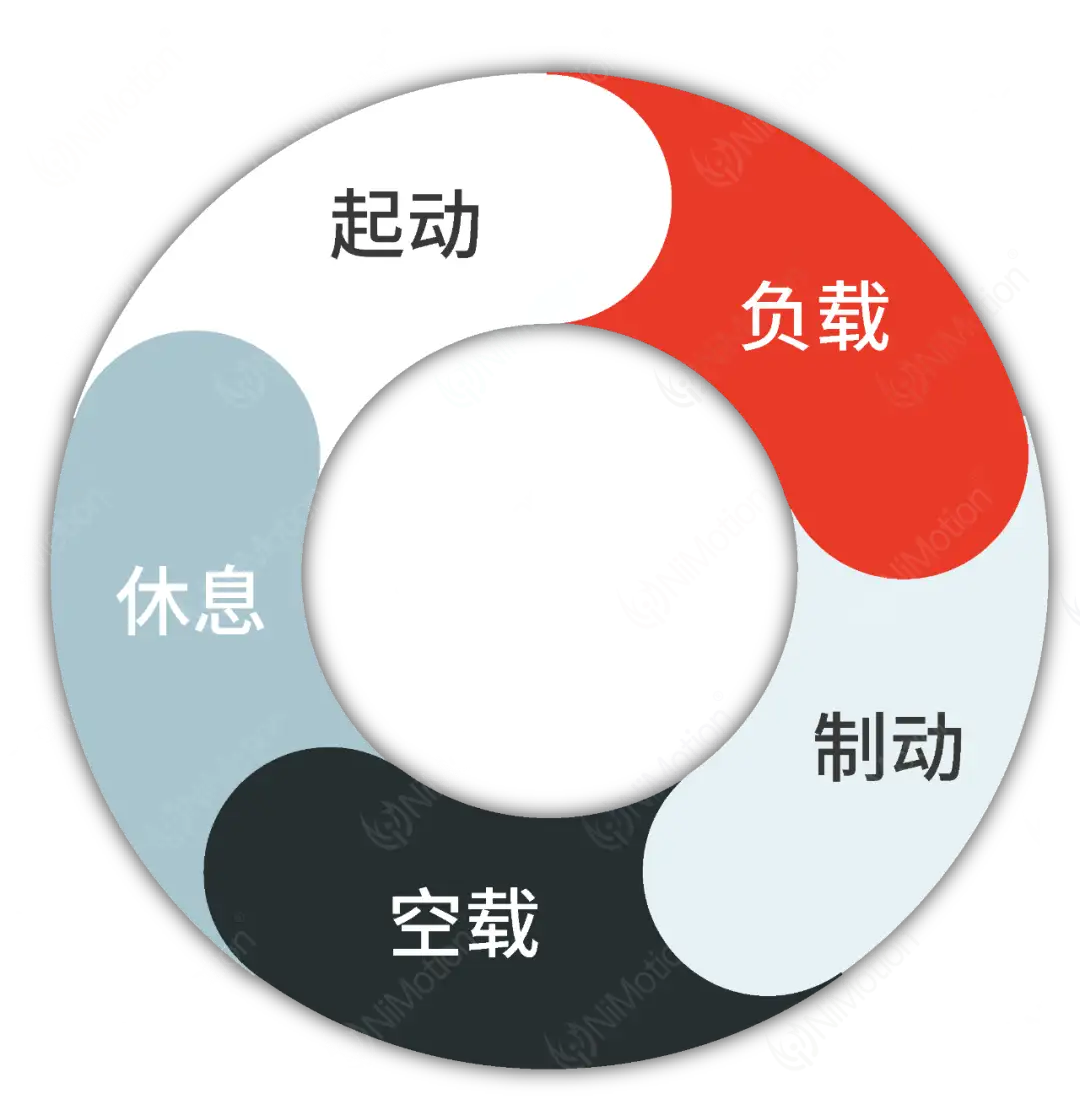
电机运行阶段示意图
In actual applications, the working cycle of the motor is further divided into starting, loading, braking, no-load, rest and other time periods, and different combinations are produced according to the duration and sequence of each stage in different application scenarios.
Therefore, IEC60034-1 (IEC60034 is one of the most important standards among all motor standards, corresponding to the Chinese standard GBT755, and a download link is provided at the end of the article) divides 10 motor working modes and describes their characteristics, represented by S1~S10. These working modes standardize the use conditions of motors, which can make the comparison and selection of motors from different manufacturers more accurate.
02. Classification description
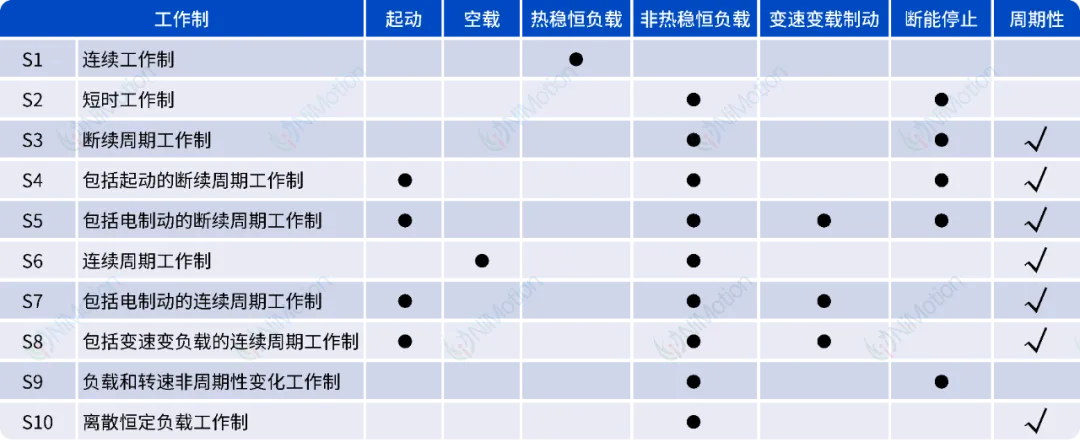
The motor duty refers to the specific method of controlling the motor movement. It is a work guide to avoid the motor from overheating and burning out, and it is also a user demand. It also guides you to choose a suitable motor according to the motor duty. However, in actual applications, many motors have diverse duty modes, and need to have one or more duty modes at the same time to meet different application scenarios.
S1 working system (continuous working system)
S1 duty (continuous duty)
It means that the motor runs continuously under rated load, and the temperature reaches a stable value without cooling down or cooling time.
This duty is usually suitable for long-term load conditions, such as fans or conveyor belts.
S2 duty (short-time duty)
S2 duty (short-time duty)
Run for a given time under constant load, and before reaching thermal stability, stop for a long enough time to allow the motor to cool (the temperature difference with the cooling medium is within 2K).
In this duty, the motor runs for a very short time, and the heating time is much shorter than the cooling time. Motors with this duty are commonly found in cranes, household appliance drives, valve controllers, etc.
S3 duty (intermittent cycle duty)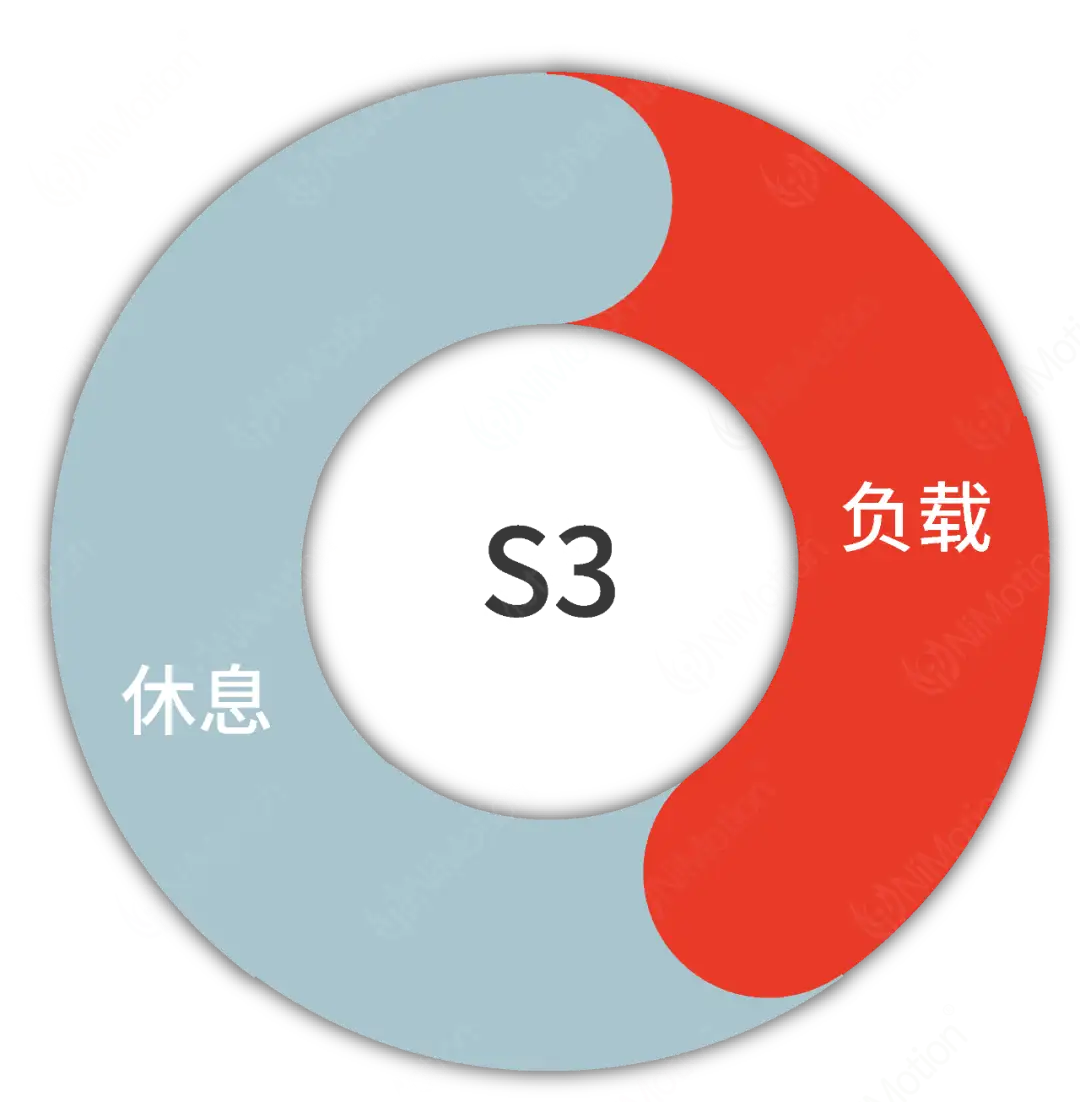
S3 working system (intermittent period working system)
Operate according to a series of identical working cycles that have not reached thermal equilibrium. Each cycle includes a constant load operating time and a shutdown interval (power-off shutdown time).
Load duty cycle is the ratio of constant load operating time to load cycle.
The starting current of each cycle in this working system has no significant impact on the temperature rise. However, the cycle must last for 10 minutes, and the duty cycle must be one of four types: 15%, 25%, 40%, or 60%. Motors with this working system are commonly found on stamping and drilling machines.
S4 duty system (including intermittent cycle duty system for starting)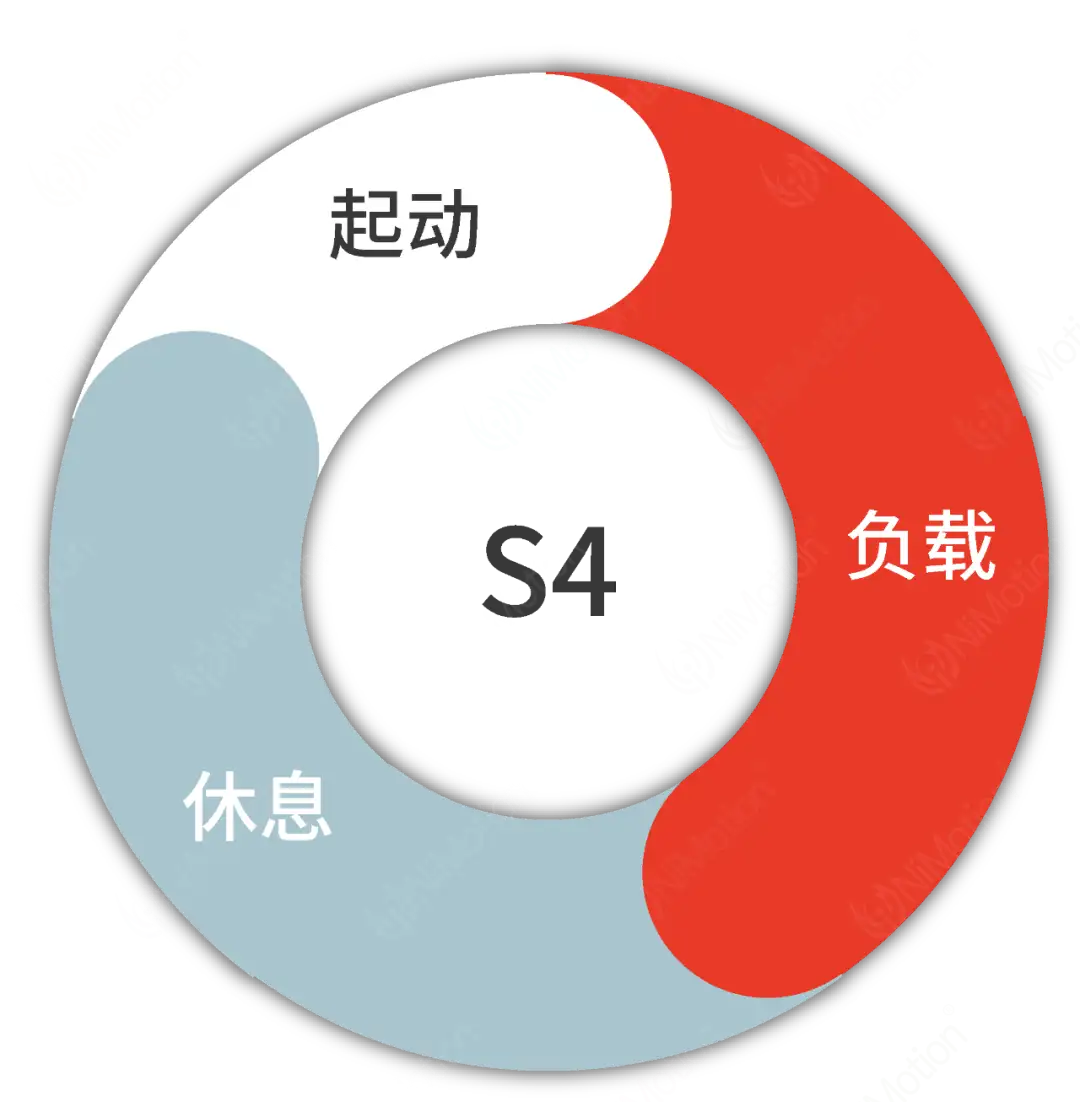
S4 work system (including starting intermittent cycle work system)
Run according to a series of identical working cycles. Each cycle includes a starting time that has a significant impact on temperature rise, a constant load running time and a power-off shutdown time.
Similar to S3, but adding starting on the basis of S3, so the moment of inertia of the motor load is required, that is, the acceleration capability of the motor. Motors of this working system are widely used in metal cutting machines, drilling machines, mining hoists, etc.
S5 working system (including intermittent cycle working system of electric braking)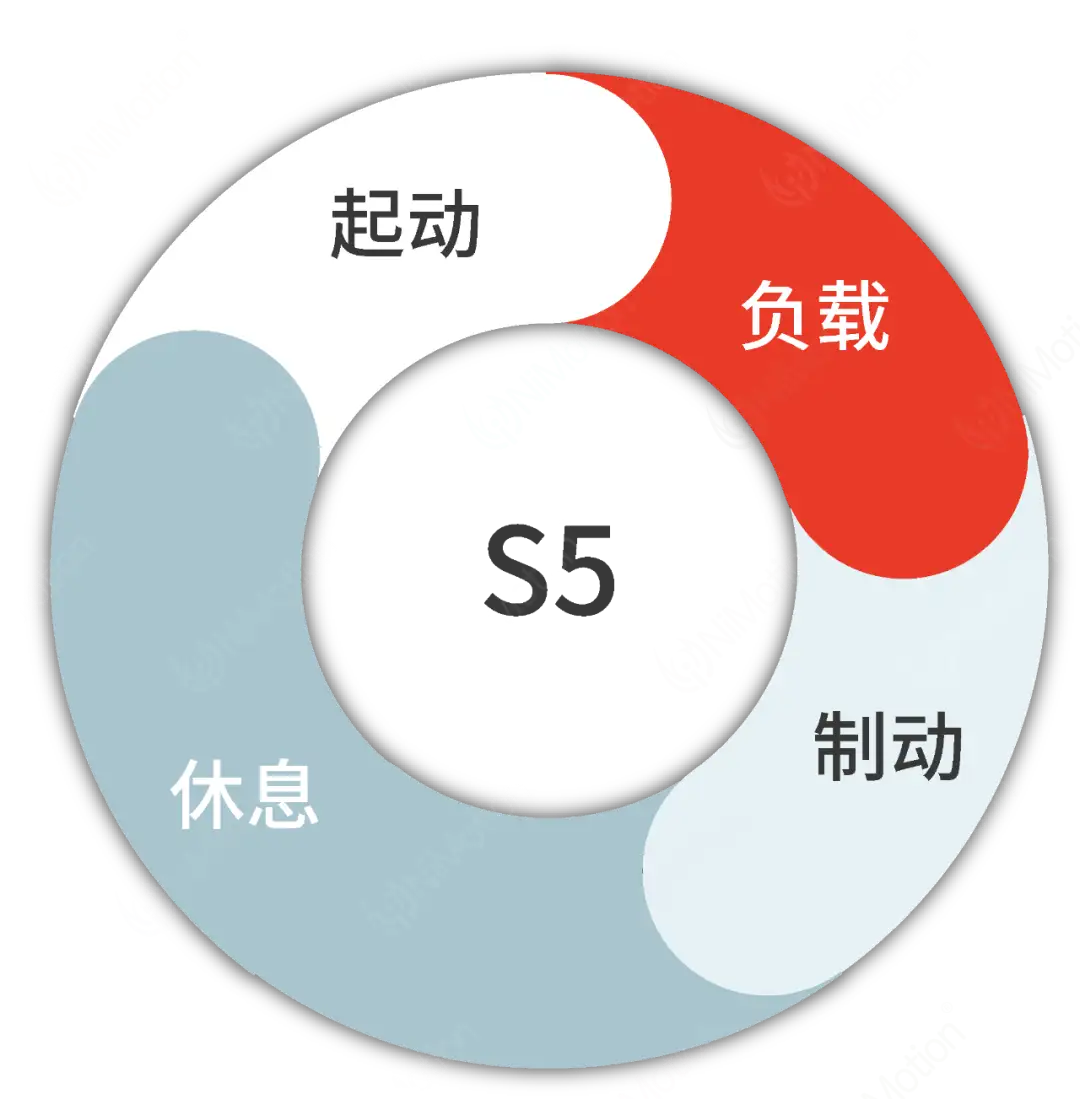
S5 duty (intermittent cycle duty including electric braking)
Operates in a series of identical duty cycles, each cycle includes a start time, a constant load operation time, a fast electric braking time and a power-off stop time.
Similar to S4, the motor load's rotational inertia is required. However, all time periods are too short to reach their respective steady-state temperatures. This duty motor is commonly used in billet mills, robot drives, mine hoists, etc.
S6 duty (continuous cycle duty)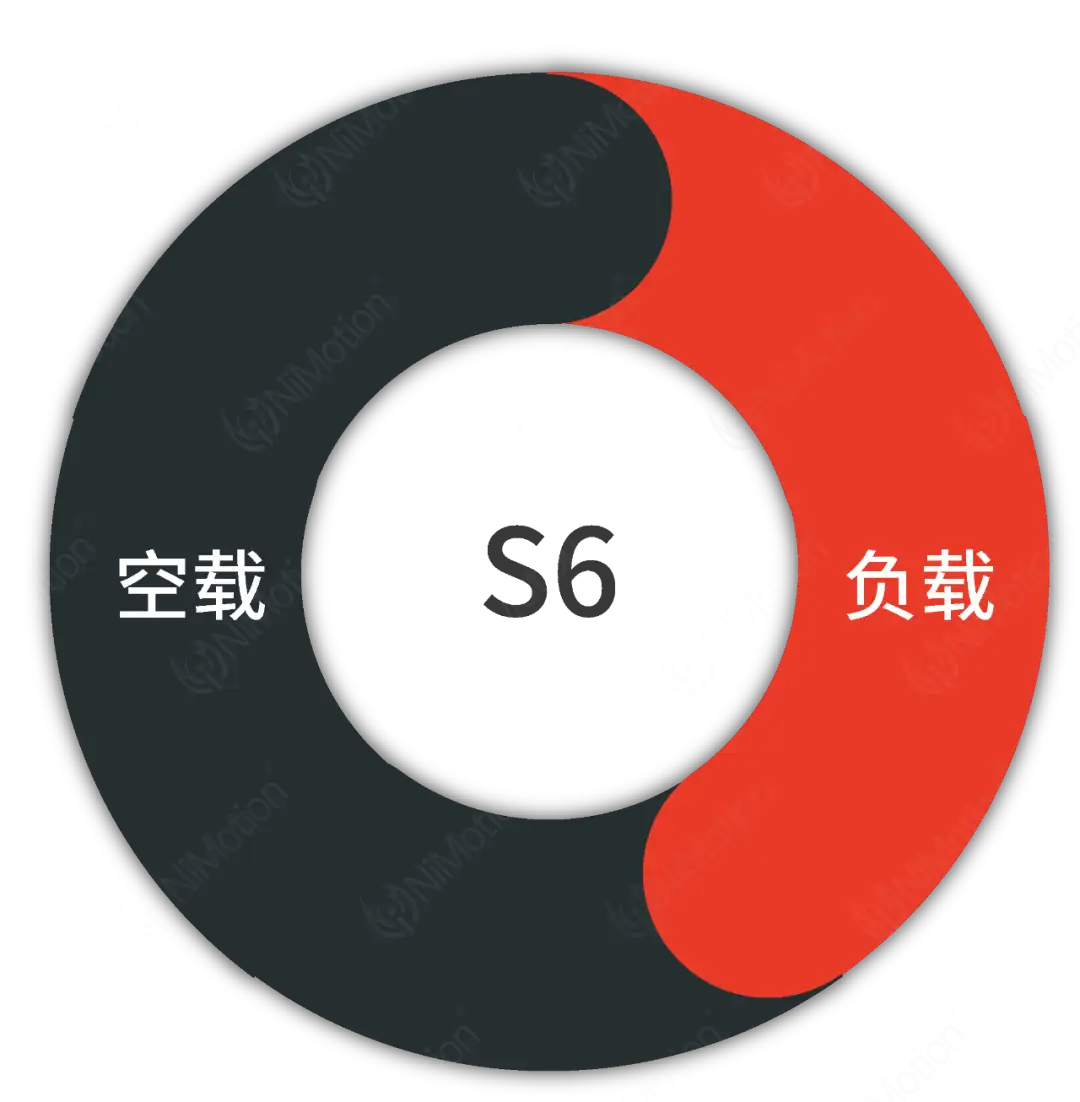
S6 duty system (continuous cycle duty system)
Operate according to a series of identical duty cycles, each cycle includes a period of constant load operation time and a period of no-load operation time, but does not stop.
That is, operation cycle = work (load + no-load), similar to S3, commonly used in presses, cutting machines, etc.
S7 working system (including continuous cycle working system with electric brake)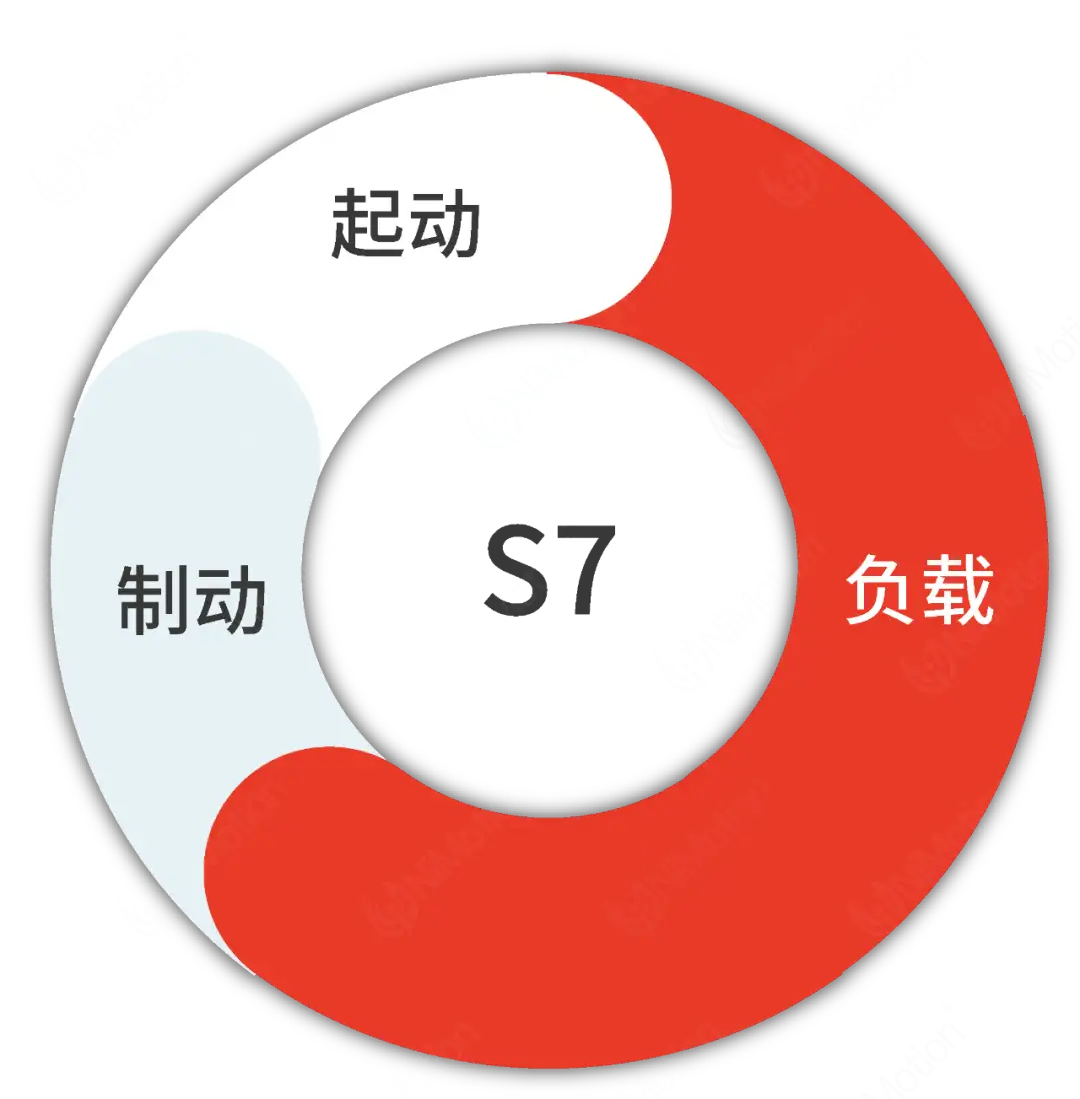
S7 duty system (including continuous cycle duty system with electric braking)
Operate in a series of identical duty cycles, each cycle includes a start time, a constant load operation time and a fast electric braking time, without stopping. That is, S6 with added start. Mainly used in cotton ginning machines.
S8 duty system (including continuous cycle duty system with variable speed and variable load)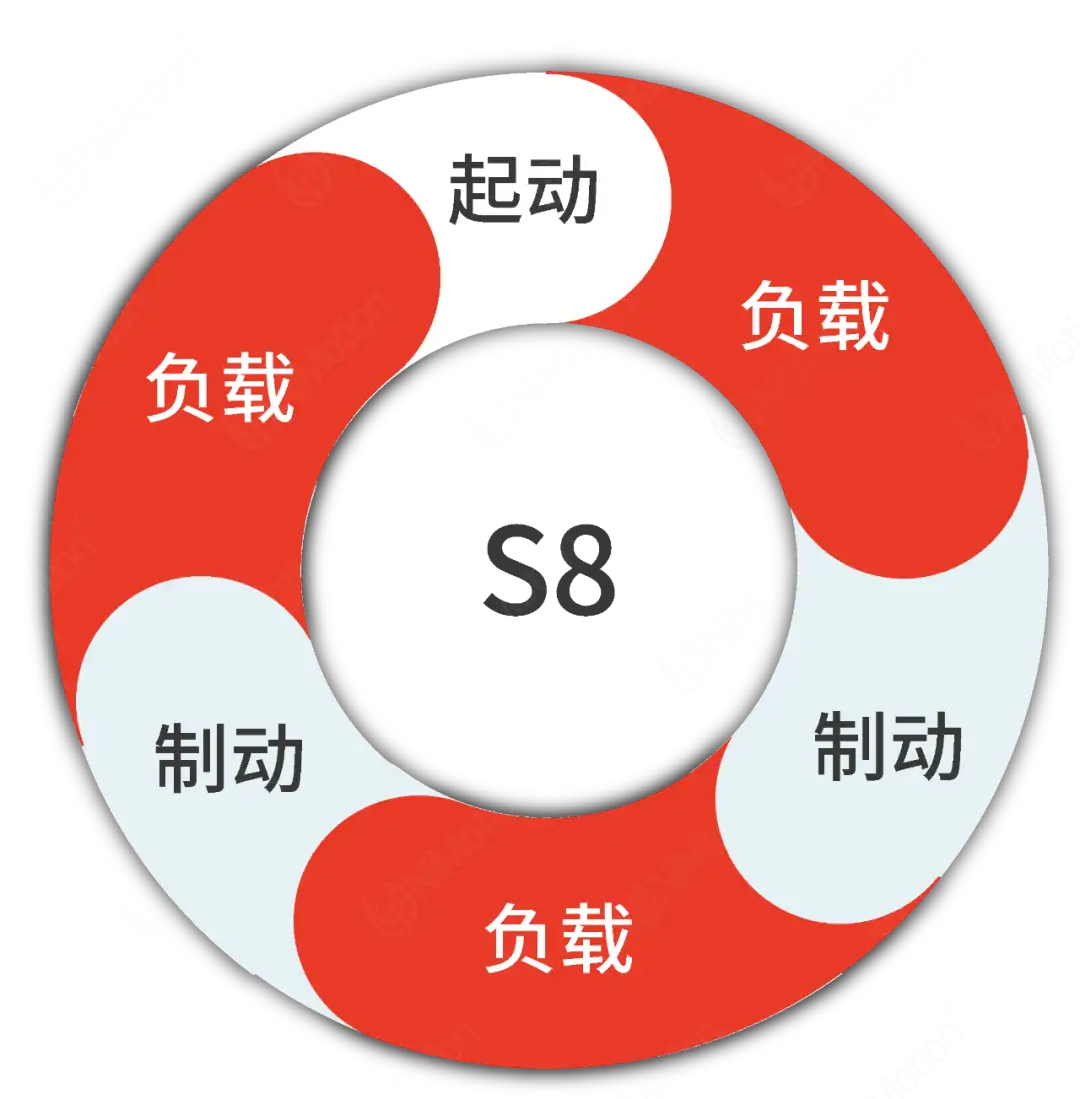
S8 duty (including variable speed and variable load continuous cycle duty)
It is more complicated. In this duty, the motor runs by a series of identical duty cycles that have not reached thermal equilibrium.
Each cycle includes a period of constant load operation at a predetermined speed, and one or more periods of other constant load operation at different speeds. There is no rest time and it runs all the time, but all the time is very short and cannot reach a steady-state temperature.
S9 duty (non-periodic load and speed change duty)
S9 duty (non-periodic load and speed change duty)
Non-periodic duty in which the load and speed change within the permitted range. This duty includes frequent overloads, which can exceed full load. It is relatively complex and is often specified based on actual conditions, such as wind power generation.
S10 duty (discrete constant load duty)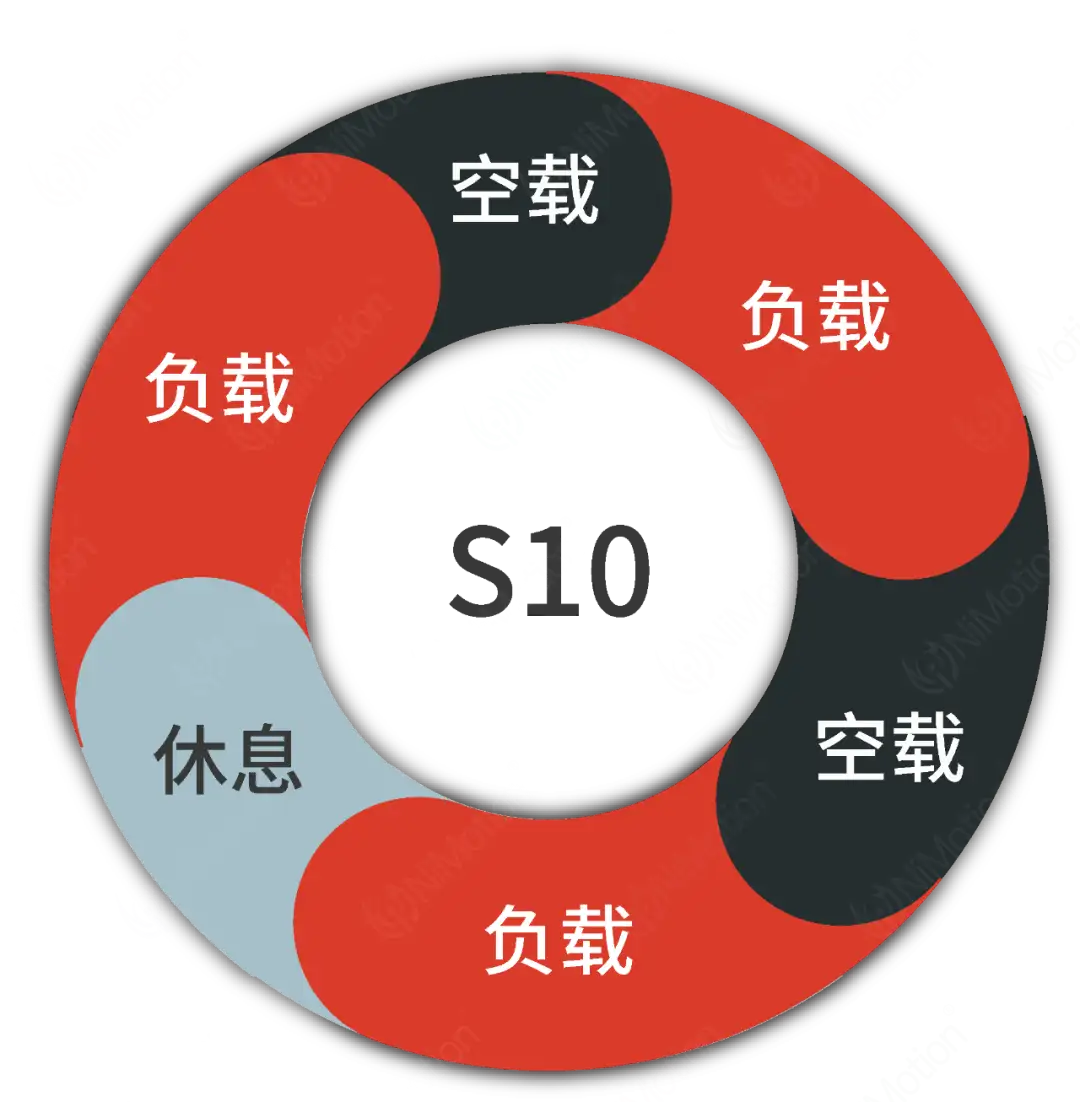
S10 duty (discrete constant load duty)
Includes duty with no less than 4 discrete load values (or equivalent loads), which may include no-load operation and shutdown. Under each load, thermal equilibrium is achieved (even no-load or shutdown), and the minimum load value in a duty cycle can be zero. Compared with S8, it can be considered that there are many constant load movements, which require various loads and times, but do not include acceleration and deceleration.
The duty of the motor has a great impact on the performance and service life of the motor. Correctly selecting the duty of the motor can ensure that the motor can operate safely under the required load and environmental conditions and has good performance and life.