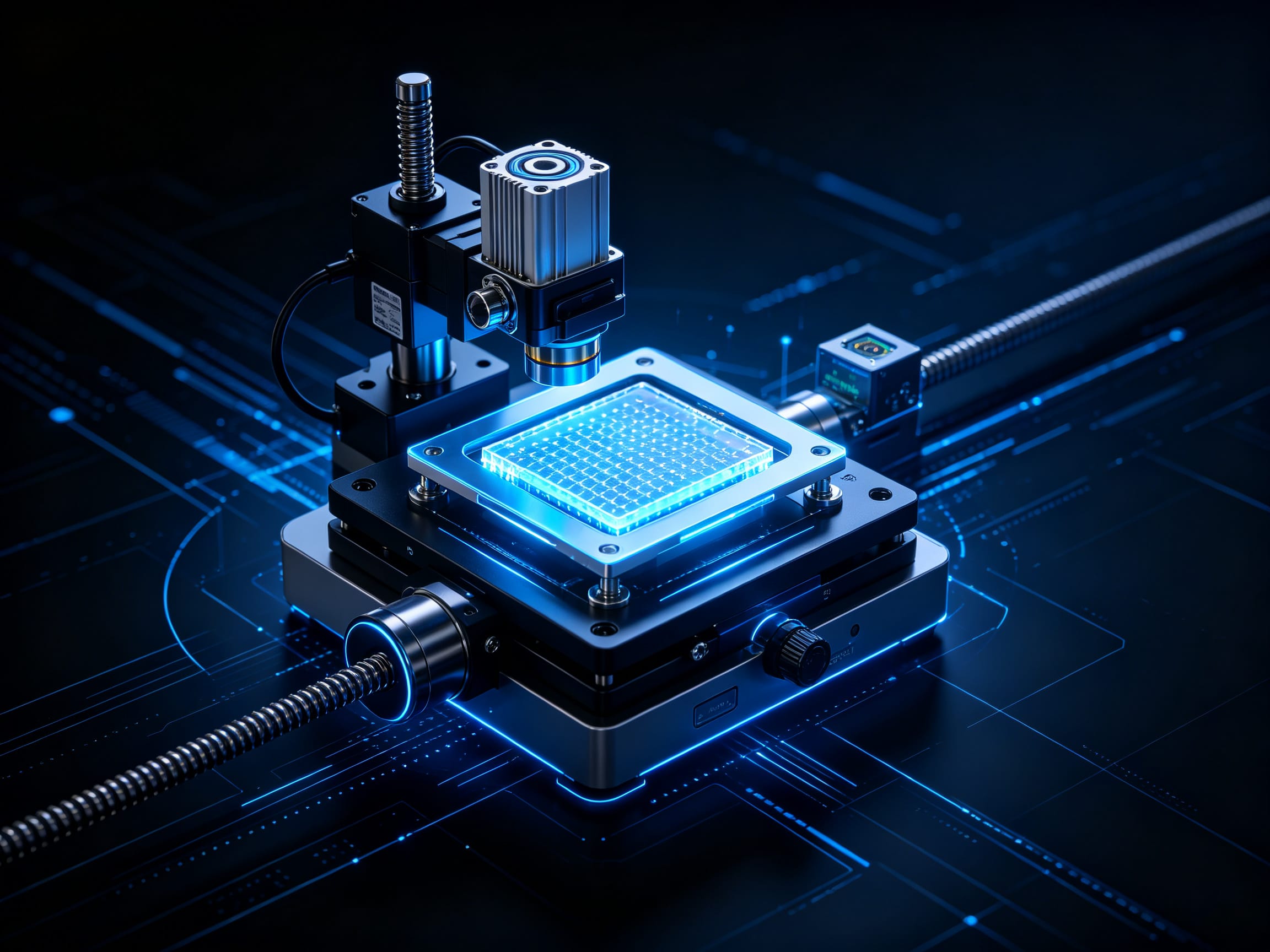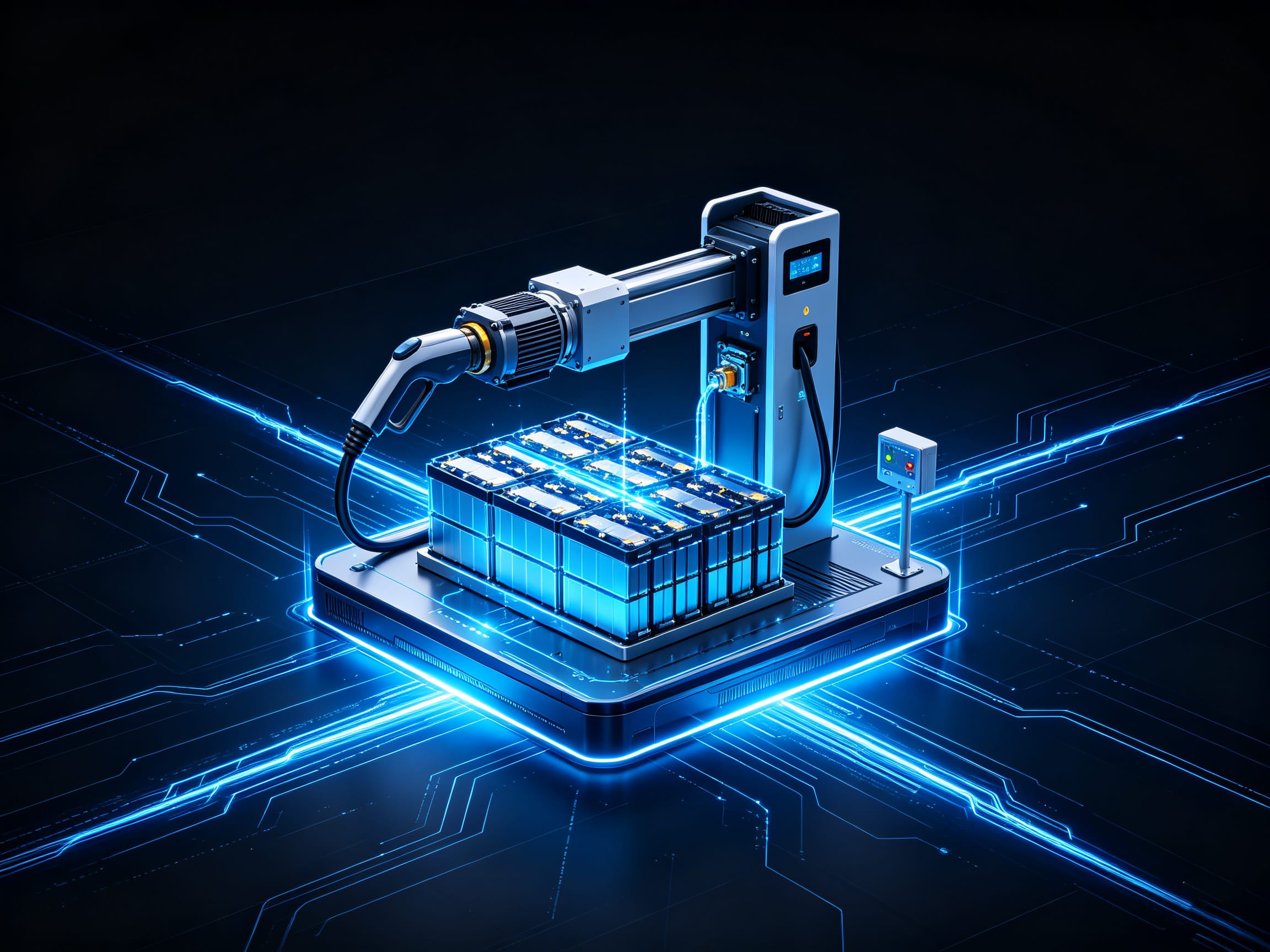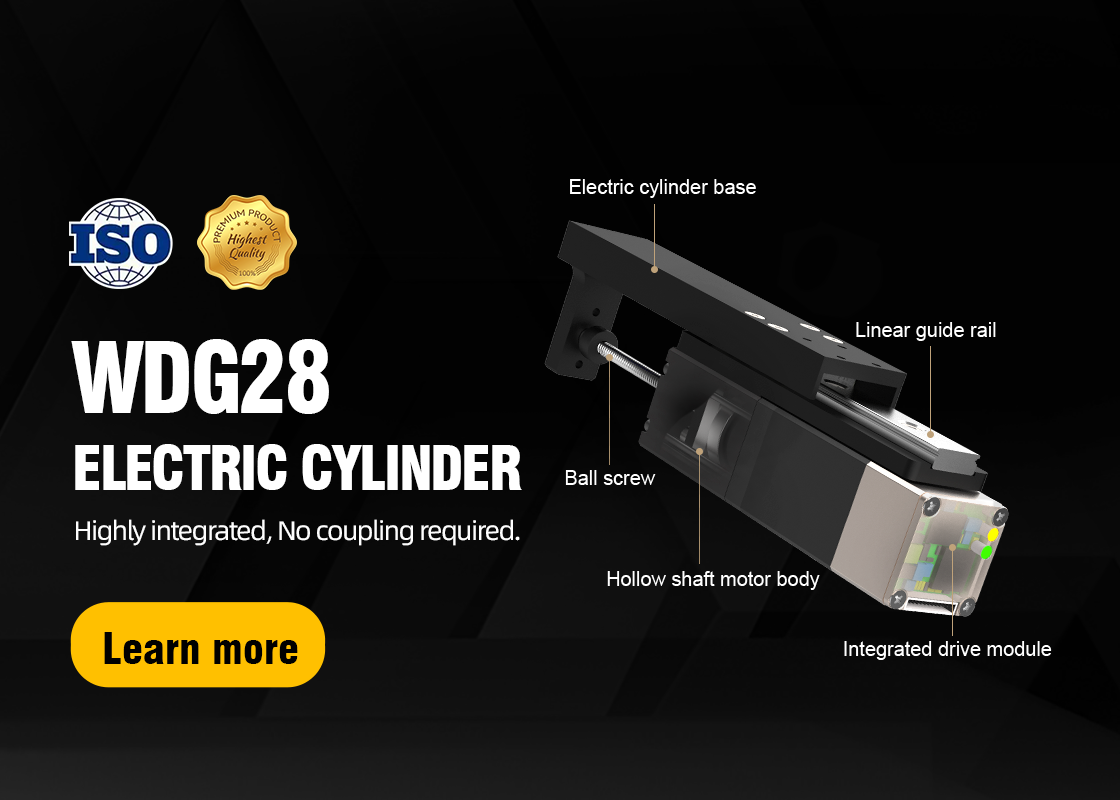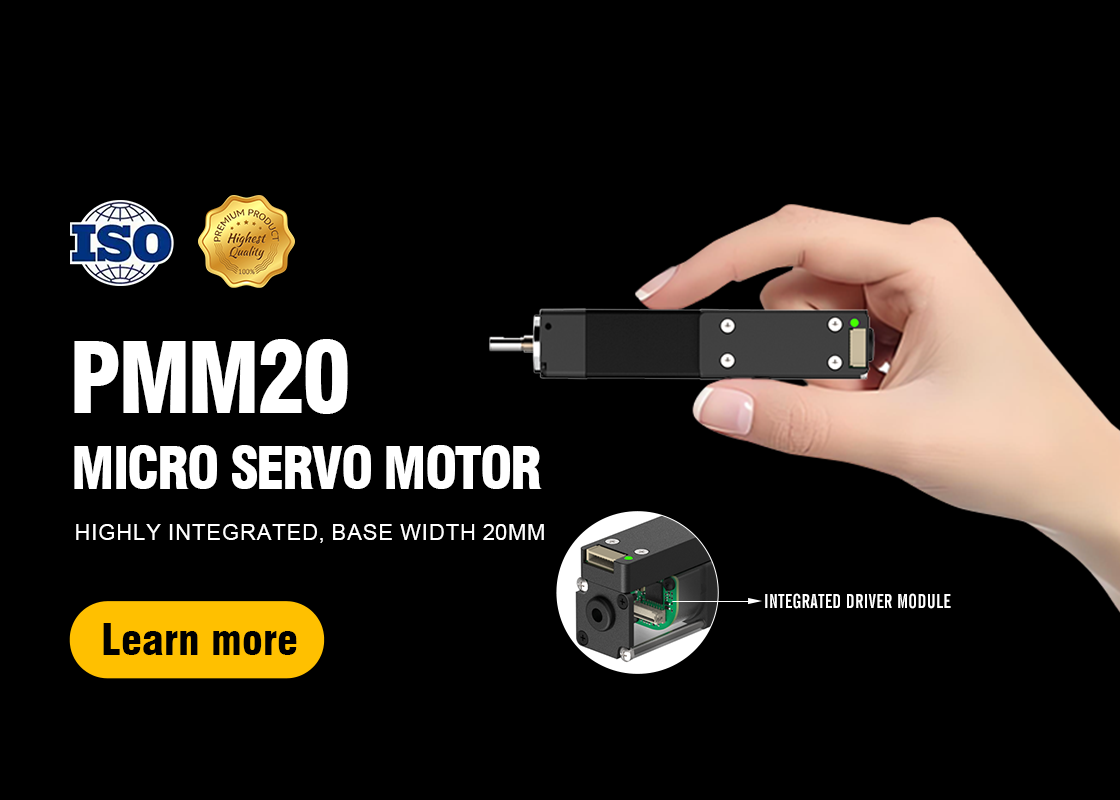

What is the Difference Between Actuator and Positioner? Understanding Servo Actuators and Positioning Systems in Industrial Automation
In industrial automation, the terms actuator and positioner are often used interchangeably, but they serve distinct roles in controlling mechanical systems. While actuators convert energy into motion, positioners enhance precision by adjusting actuator behavior based on feedback signals. This article explores their differences, with a focus on Servo Actuators and positioning systems, to clarify their functions in applications like valve control, robotics, and aerospace.

1. Actuators: The Powerhouses of Motion Control
An actuator is a device that converts energy (electrical, pneumatic, hydraulic, or thermal) into mechanical motion. It is the "muscle" of a system, responsible for driving valves, dampers, robotic arms, or aircraft control surfaces. Actuators are categorized by their motion type (linear or rotary) and energy source:
Types of Actuators
-
Electric Actuators
- Use electric motors (DC, AC, or stepper) to generate rotational or linear motion.
- Common in valve automation, HVAC dampers, and industrial machinery.
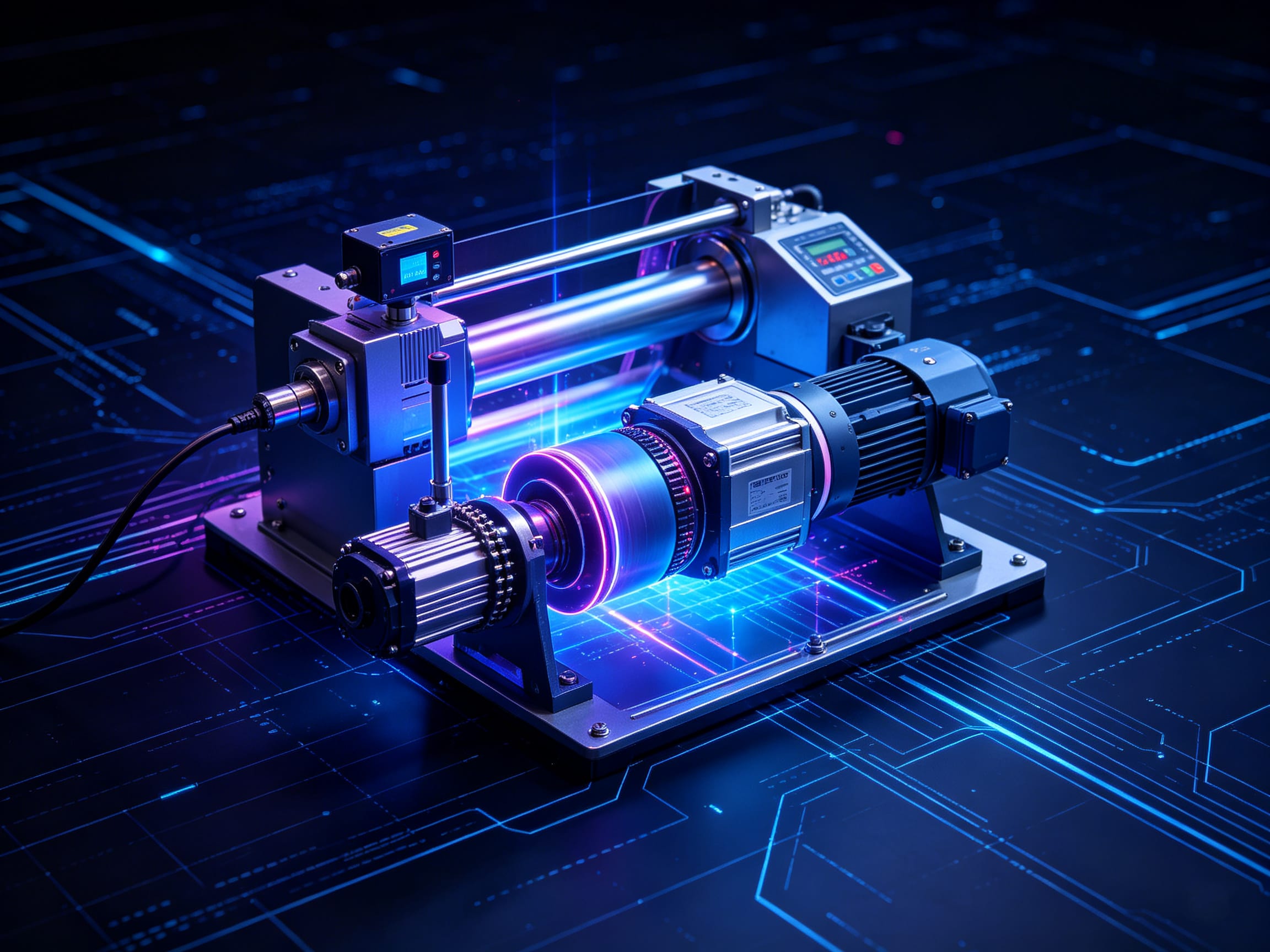
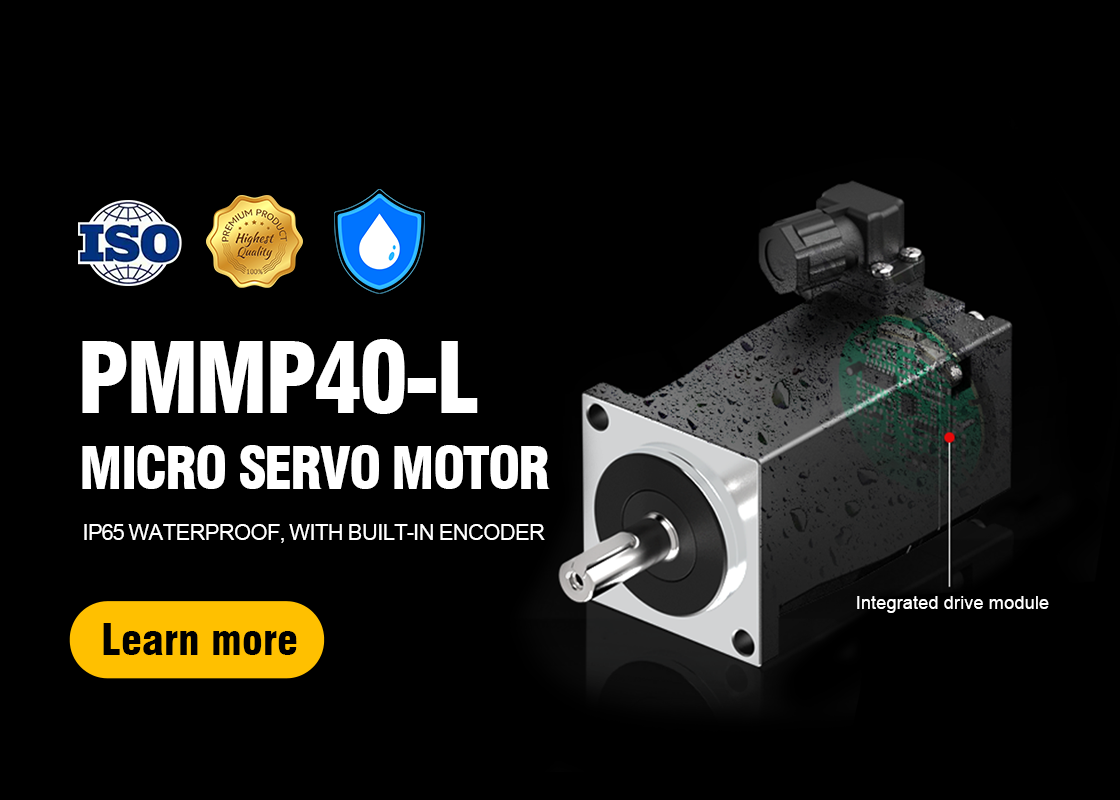
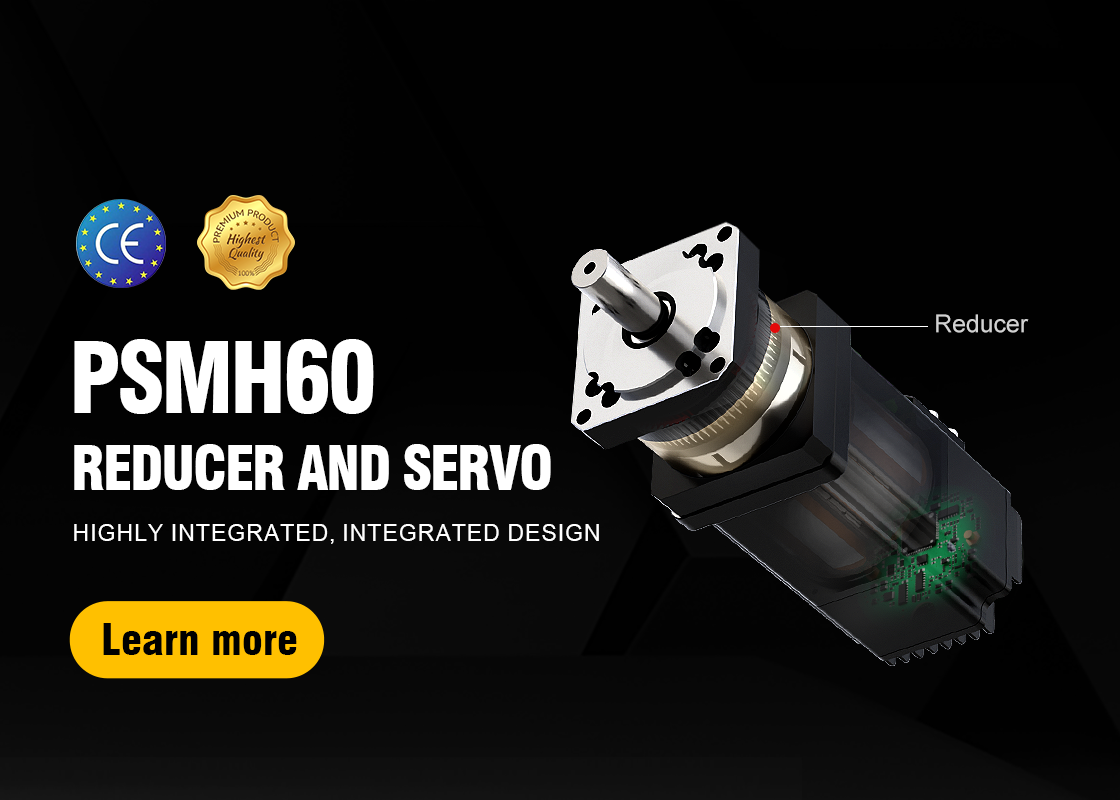
- Example: A Servo Actuator in robotics combines a servo motor with feedback sensors for precise positioning.
-
Pneumatic Actuators
- Rely on compressed air to drive pistons or diaphragms.
- Fast, cost-effective, and suitable for hazardous environments.
- Example: Piston actuators in steam turbines or diaphragm actuators in process valves.
-
Hydraulic Actuators
- Use pressurized fluid for high-force applications like construction equipment or aircraft landing gear.
-
Thermal Actuators
- Expand or contract materials (e.g., shape-memory alloys) under temperature changes.
Key Characteristics of Actuators
- Direct Acting vs. Reverse Acting:
- In pneumatic systems, direct-acting actuators extend when air pressure increases, while reverse-acting actuators retract.
- Stroke Length: Piston actuators offer longer strokes than diaphragm types.
- Speed and Force: Pneumatic actuators are faster but less precise than electric ones.
Example: A Servo Actuator in a CNC machine uses an electric motor and encoder feedback to achieve sub-millimeter accuracy in tool positioning.
2. Positioners: The Precision Enhancers

A positioner is an accessory device that works with actuators to improve control accuracy. It monitors the actuator’s position via feedback sensors (e.g., potentiometers, encoders) and adjusts the input signal to eliminate errors caused by friction, backlash, or process disturbances. Positioners are critical in positioning systems where tight tolerances are required.
How Positioners Work
-
Feedback Loop:
- The positioner compares the desired position (setpoint) from the controller with the actual position (feedback).
- If discrepancies exist, it modifies the actuator’s input (e.g., air pressure in pneumatic systems) to correct the error.
-
Applications:
- Control Valves: Positioners ensure valves open/close to exact percentages (e.g., 50% for flow regulation).
- Damper Control: In HVAC systems, positioners adjust airflow by precisely positioning dampers.
- Robotics: Servo systems use positioners to maintain joint angles during movement.
Types of Positioners
-
Pneumatic Positioners
- Use air signals (3–15 PSI) to control pneumatic actuators.
- Example: The ASF 123S damper actuator with a built-in positioner adjusts airflow in ventilation systems.
-
Electro-Pneumatic Positioners
- Convert electrical signals (4–20 mA or 0–10 V) into pneumatic outputs for hybrid systems.
-
Digital Positioners
- Incorporate microprocessors for advanced diagnostics, adaptive control, and communication protocols (e.g., HART, Fieldbus).
Example: In a steam turbine’s governing system, a Moog Servo Actuator with a digital positioner adjusts valve positions to maintain stable pressure, even under varying loads.
3. Actuator vs. Positioner: Key Differences
| Feature | Actuator | Positioner |
| Primary Function | Converts energy to motion | Refines motion accuracy via feedback |
| Energy Source | Electric, pneumatic, hydraulic | Typically uses the actuator’s energy source (e.g., air for pneumatic positioners) |
| Control Method | Open-loop (basic) or closed-loop (with sensors) | Always closed-loop with feedback |
| Precision | Moderate (unless paired with a positioner) | High (eliminates hysteresis, friction) |
| Cost | Lower (standalone) | Higher (adds complexity) |
| Typical Use Cases | On/off valves, simple dampers | Modulating valves, critical positioning systems |
4. Servo Actuators and Positioning Systems: A Synergistic Approach
Servo Actuators are a subset of actuators designed for high-precision control, often integrating positioners or feedback mechanisms. They are widely used in:
A. Robotics and CNC Machinery
- Servo motors with encoders provide real-time position feedback, enabling precise tool paths in milling machines or robotic arm movements.
- Example: A FANUC Servo Actuator in an automotive assembly line positions components with ±0.01 mm accuracy.
B. Aerospace and Defense
- Flight control surfaces (e.g., ailerons, rudders) use electro-hydraulic servo actuators with positioners to maintain stability during maneuvers.
- Example: The F-35 fighter jet employs servo actuators with redundant position sensors for fail-safe operation.
C. Industrial Valve Automation
- Positioning systems combining servo actuators and positioners regulate fluid flow in oil refineries or chemical plants.
- Example: A Fisher FIELDVUE DVC6200 digital positioner paired with a pneumatic servo actuator achieves 0.1% valve positioning accuracy.
5. Challenges and Solutions in Positioning Systems
A. Nonlinearities in Pneumatic Systems
- Issue: Air compressibility, valve dead zones, and friction cause hysteresis.
- Solution: Advanced servo-pneumatic positioning systems use nonlinear control algorithms (e.g., sliding mode control) to compensate.
B. Latency in Feedback Loops
- Issue: Delays in sensor signals can destabilize high-speed systems.
- Solution: Polynomial trajectory design (as in flexible servo actuators) predicts motion paths to reduce settling time.
C. Environmental Factors
- Issue: Temperature changes affect hydraulic fluid viscosity or pneumatic actuator response.
- Solution: Adaptive positioners adjust control parameters in real-time based on environmental data.
6. Future Trends in Actuator and Positioner Technology

- Smart Actuators: Integration of IoT sensors for predictive maintenance and remote diagnostics.
- AI-Optimized Positioning: Machine learning algorithms to auto-tune control loops for minimal overshoot.
- Energy-Efficient Designs: Brushless DC motors and regenerative braking in electric actuators.
- Miniaturization: MEMS-based actuators for medical devices or consumer electronics.
Conclusion
While actuators provide the raw power to move mechanical systems, positioners refine their accuracy through feedback-driven adjustments. Servo Actuators exemplify this synergy, combining high-force output with precision control, while positioning systems ensure reliability in critical applications. Understanding their differences is essential for engineers designing everything from HVAC dampers to aerospace control surfaces. As technology advances, the integration of smart sensors and AI will further blur the lines between actuators and positioners, creating even more sophisticated automation solutions.