
What Is a Servo Actuator? Definition, Components, Working Principle, and Applications
LMS_Kim2026-03-2642 views
In modern industrial automation, robotics, precision manufacturing, aerospace, and smart motion systems, actuator technology forms the backbone of mechanical movement. Among all actuator categories, the servo actuator stands out as a high‑precision, closed‑loop motion control device that delivers exceptional accuracy, responsiveness, and reliability. This article answers the core question: What Is a Servo Actuator? It explains its structure, working principle, key components—including the critical servo driver—types, performance advantages, industry applications, selection criteria, and future trends.

1.What Is an Actuator? The Foundation of Motion Control
Before defining a servo actuator, it is essential to understand the basic actuator concept. An actuator is a mechanical or mechatronic component that converts various forms of energy—electrical, hydraulic, pneumatic, or thermal—into controllable linear or rotary mechanical motion. Actuators act as the “muscle” of automated systems, executing movement, positioning, force control, or switching operations based on control signals.
Core Functions of an Actuator
- Convert energy into useful mechanical motion
- Provide precise or continuous displacement
- Deliver torque, force, or speed as required by the load
- Enable automation, remote control, and repetitive operation
- Interface with electronic controllers for coordinated motion
Common Types of Actuators
- Pneumatic actuators: Use compressed air; cost‑effective but lower precision
- Hydraulic actuators: Use pressurized fluid; high force, suitable for heavy loads
- Electric actuators: Use electric motors; clean, flexible, and easy to control
- Piezoelectric actuators: Ultra‑high precision for micro‑positioning
- Servo actuators: Closed‑loop electric, hydraulic, or pneumatic actuators with feedback for high accuracy
What Is a Servo Actuator? Official Definition

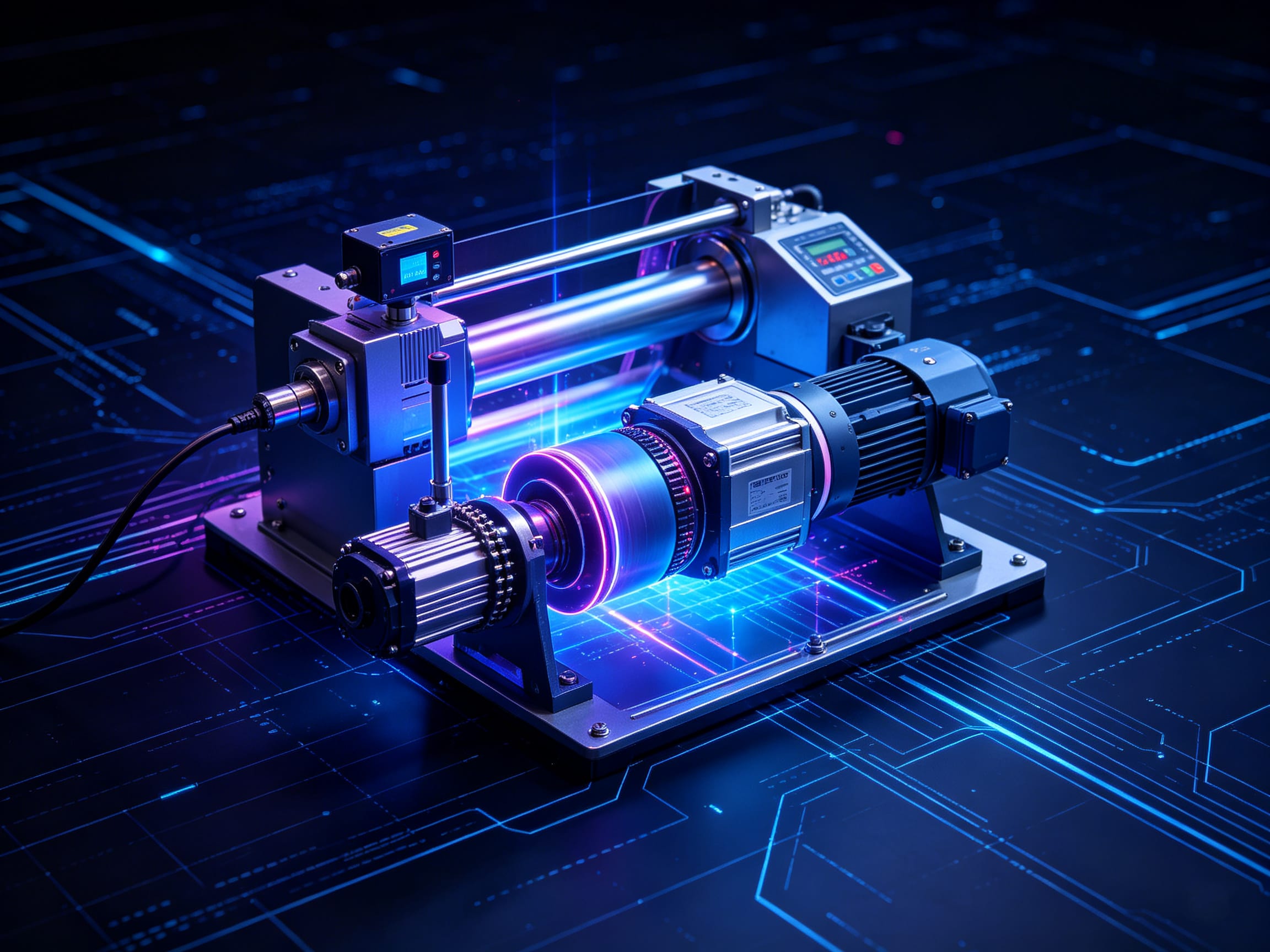
A servo actuator is a high‑performance closed‑loop motion control device that integrates a prime mover, feedback sensor, transmission mechanism, and control electronics to achieve precise control of position, velocity, torque, or force. Unlike open‑loop actuators, servo actuators continuously compare actual output with target commands via real‑time feedback, automatically correcting errors to maintain consistent performance.
Servo actuators are widely used where motion must be accurate, responsive, and stable. They are core components in CNC machines, industrial robots, satellite tracking systems, medical devices, packaging equipment, and automotive manufacturing lines. A servo actuator cannot operate at full capacity without a dedicated servo driver, which serves as the control and power center of the entire servo system.
2.Core Components of a Servo Actuator System
A complete servo actuator assembly includes multiple interconnected parts. The following list highlights the key components:
- Servo motor: The prime mover that generates rotary or linear motion (brushless DC, AC synchronous, linear motor)
- Feedback device: Encoder, resolver, Hall sensor, or linear scale for real‑time position/speed detection
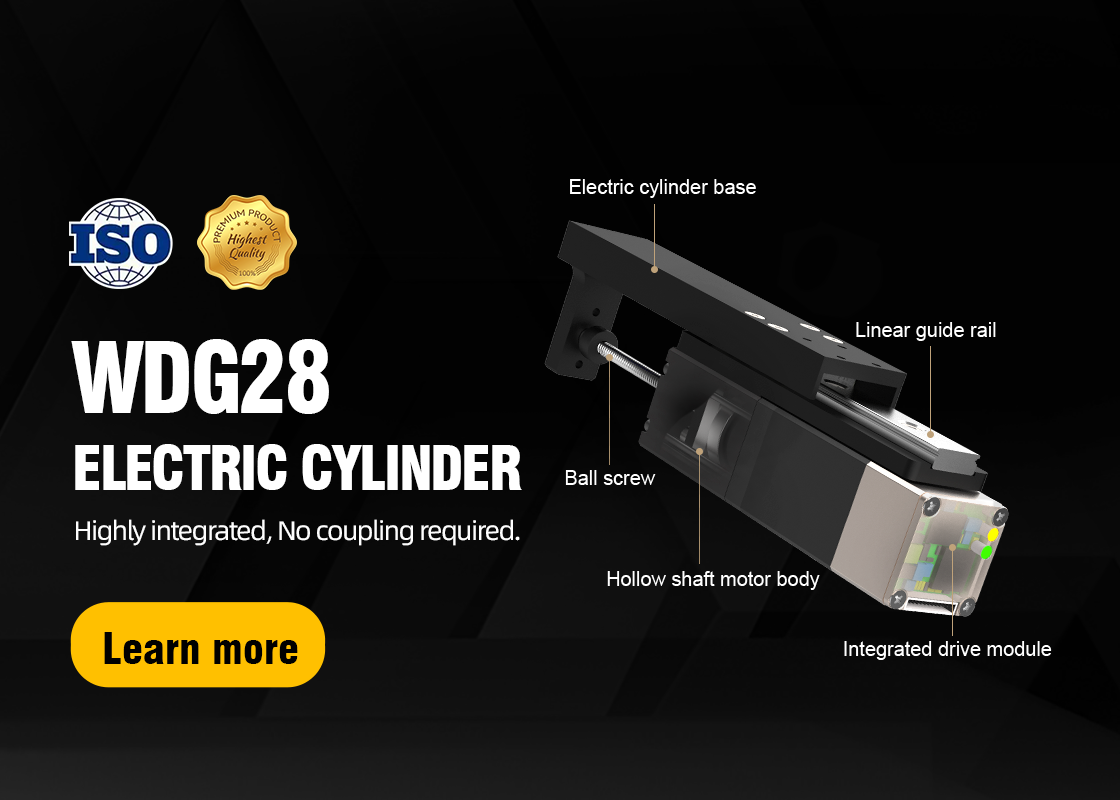
- Transmission mechanism: Gearbox, ball screw, pulley, or linear guide for motion conversion and torque amplification
- Servo driver (servo amplifier): The electronic controller that processes commands, drives the motor, and manages the closed‑loop algorithm
- Housing and bearing system: Protects internal parts and ensures smooth, low‑friction movement
- Communication interface: EtherCAT, PROFINET, Modbus, or CANopen for system integration
- Protection modules: Overcurrent, overvoltage, overtemperature, and overload protection circuits
3.The Critical Role of the Servo Driver
The servo driver is the brain of the servo actuator system. It performs several vital functions:
- Receives position, speed, or torque commands from a host controller (PLC, CNC, motion controller)
- Reads feedback signals from the encoder or sensor
- Runs closed‑loop PID (proportional–integral–derivative) algorithms to calculate error and adjust output
- Supplies controlled current and voltage to the servo motor
- Provides dynamic response, damping, and anti‑vibration control
- Supports parameter tuning, fault diagnosis, and status monitoring
- Enables multi‑axis synchronization for complex motion profiles
Without a properly matched servo driver, a servo actuator cannot achieve precision, stability, or dynamic performance. Mismatched drivers lead to positioning errors, overheating, vibration, or premature failure.
4.How Does a Servo Actuator Work? Closed‑Loop Control Principle
Servo actuators operate on closed‑loop control, the key difference from open‑loop stepper or basic electric actuators. The workflow is as follows:
- Command input: The motion controller sends a target position, speed, or torque signal to the servo driver
- Signal processing: The servo driver amplifies and converts the command into a power signal for the servo motor
- Motion execution: The servo motor drives the load through the transmission mechanism
- Real‑time feedback: The encoder measures actual position/speed and sends data back to the servo driver
- Error correction: The servo driver compares target and actual values, calculates the error, and adjusts motor output instantly
- Stabilization: The loop repeats hundreds or thousands of times per second to minimize error and maintain precision
This closed‑loop structure ensures that a servo actuator maintains accuracy even under changing loads, speed variations, or external disturbances.
5.Types of Servo Actuators
Servo actuators are classified by energy source, motion type, and application. Below is a structured list for quick reference:
By Energy Type
- Electric servo actuator: Most common; high precision, easy to control, low maintenance
- Hydraulic servo actuator: Extremely high force density; used in heavy machinery, aerospace, and testing systems
- Pneumatic servo actuator: Fast response, clean, suitable for light‑to‑medium loads with moderate precision
By Motion Type
- Rotary servo actuator: Provides angular rotation; used in robot joints, rotary tables, and indexing mechanisms
- Linear servo actuator: Delivers straight‑line motion; used in positioning stages, ejection systems, and valve control
By Application Scale
- Industrial servo actuator: For heavy‑duty, long‑life manufacturing equipment
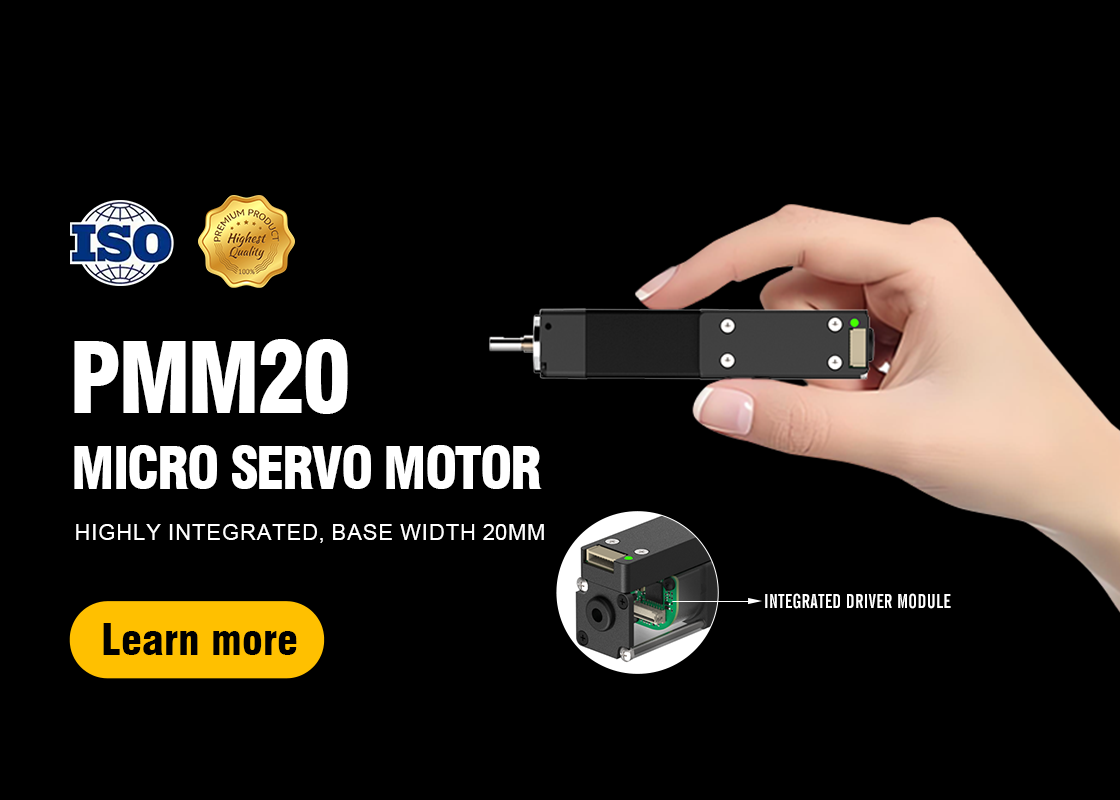
- Micro servo actuator: Small size for robotics, medical instruments, and consumer electronics
- High‑speed servo actuator: For packaging, printing, and high‑frequency motion
- Explosion‑proof servo actuator: For oil & gas, chemical, and mining environments
6.Key Performance Advantages of Servo Actuators

Compared with standard actuators, servo actuators offer unique benefits:
- Ultra‑high precision: Positioning accuracy up to micrometer or sub‑micrometer level
- Fast dynamic response: Rapid acceleration and deceleration for high‑throughput systems
- Full closed‑loop control: Automatic error correction under load or disturbance
- Wide speed range: Stable operation from extremely low to very high speeds
- High torque density: Compact size with strong output torque/force
- Multi‑axis synchronization: Coordinated motion with other servo systems
- Programmable flexibility: Customizable motion profiles via the servo driver
- Diagnostic and communication: Real‑time status monitoring and remote control
- Long service life: Stable performance under continuous operation
7.Why the Servo Driver Is Indispensable
The servo driver directly determines the performance of a servo actuator. Key reasons include:
- Power management: Delivers stable, regulated current to avoid motor damage
- Control algorithm: Advanced PID, feedforward, and notch filtering for smooth motion
- Protection: Prevents overcurrent, overheating, overload, and overtravel
- Compatibility: Supports various motors, encoders, and fieldbuses
- Tuning capability: Allows adjustment of stiffness, damping, and response for different loads
- Energy efficiency: Reduces power consumption and heat generation
Engineers must match the servo driver current, voltage, control mode, and communication protocol to the servo actuator’s specifications.
8.Industrial Applications of Servo Actuators

Servo actuators are used across nearly every automated industry. Major applications include:
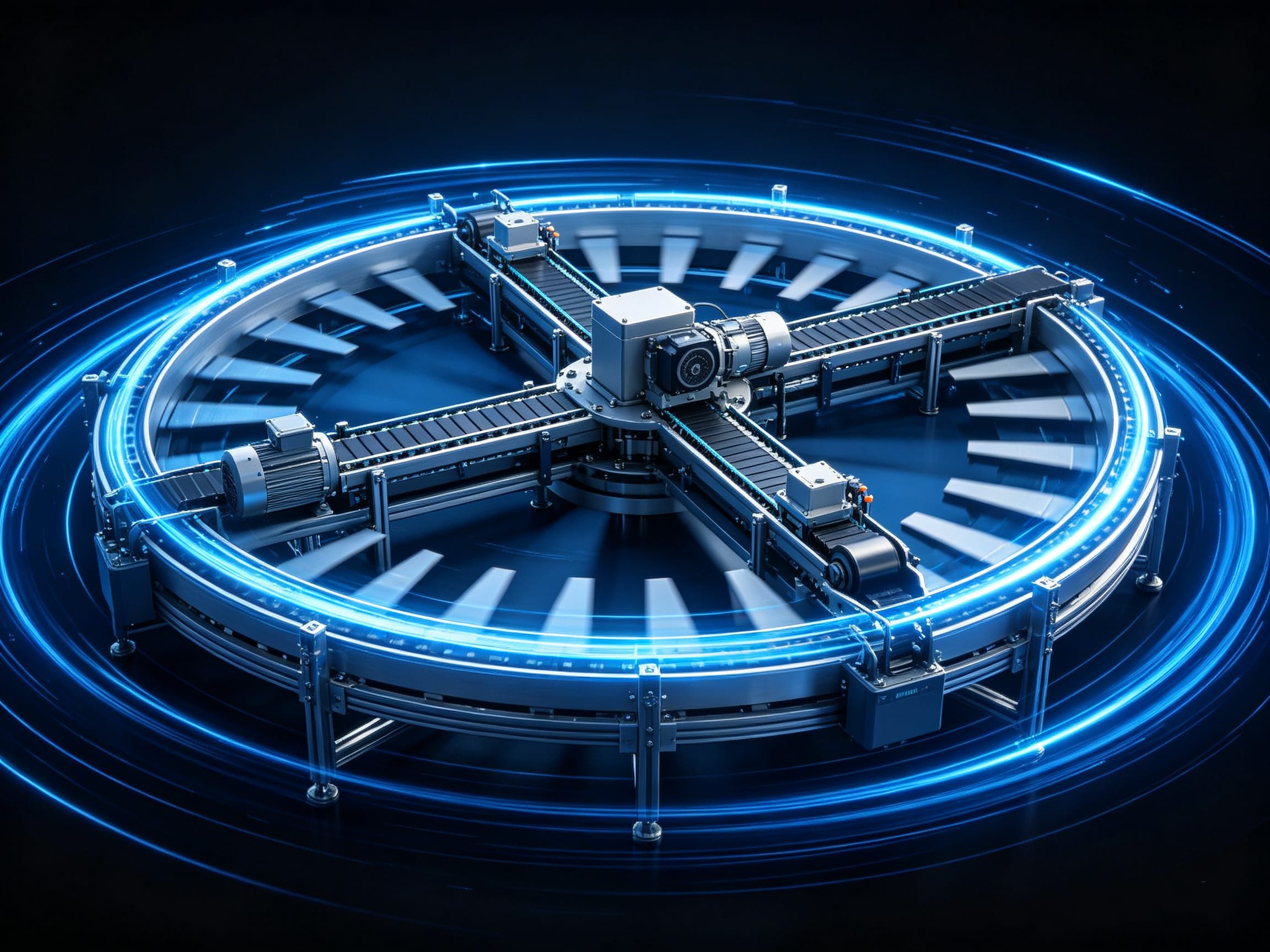
- CNC machining tools: Milling machines, lathes, grinders, and laser cutters
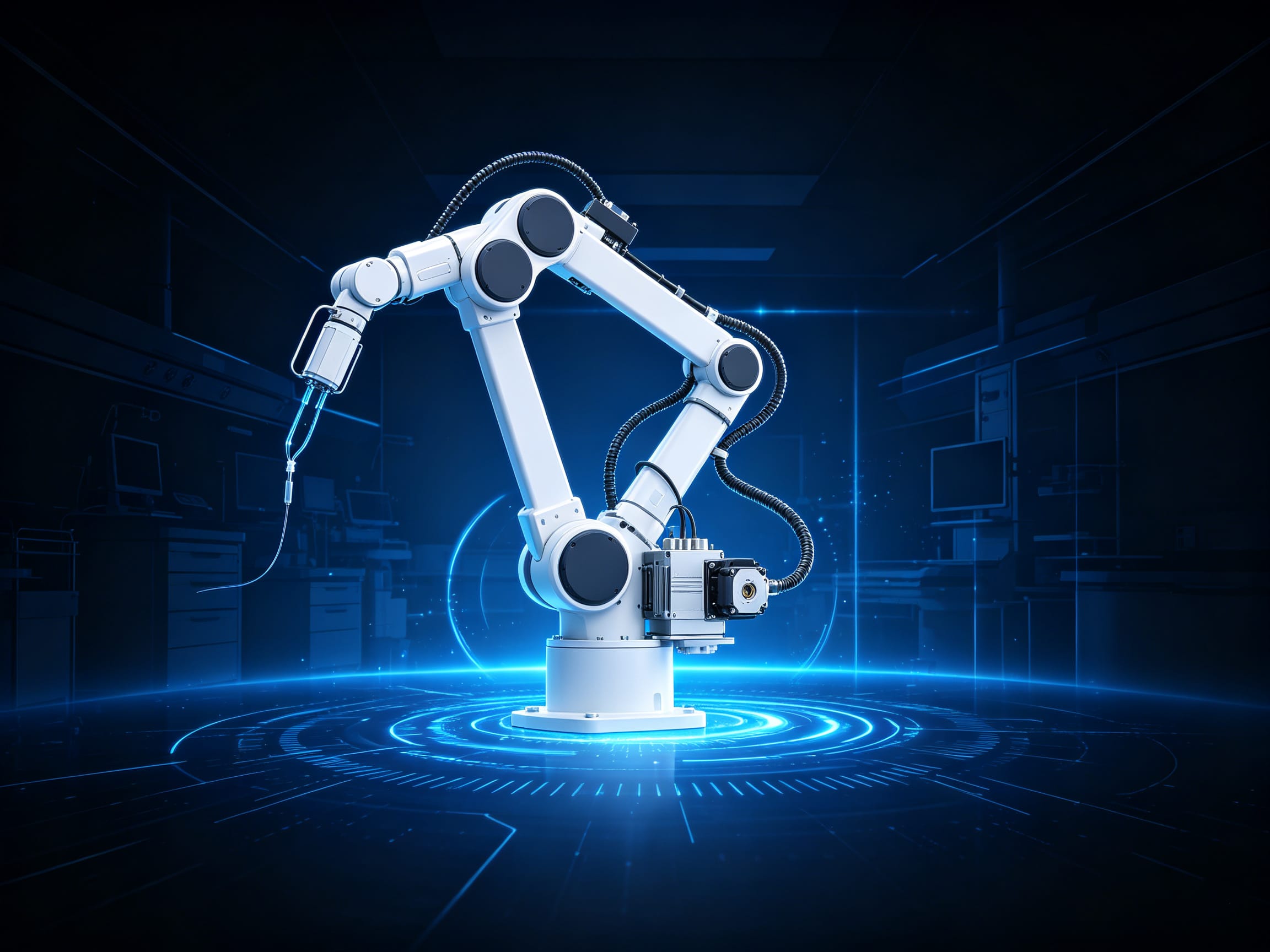
- Industrial robots: Articulated robots, SCARA, delta robots, and collaborative robots
- Aerospace & defense: Flight control surfaces, satellite antennas, radar positioning, and test systems
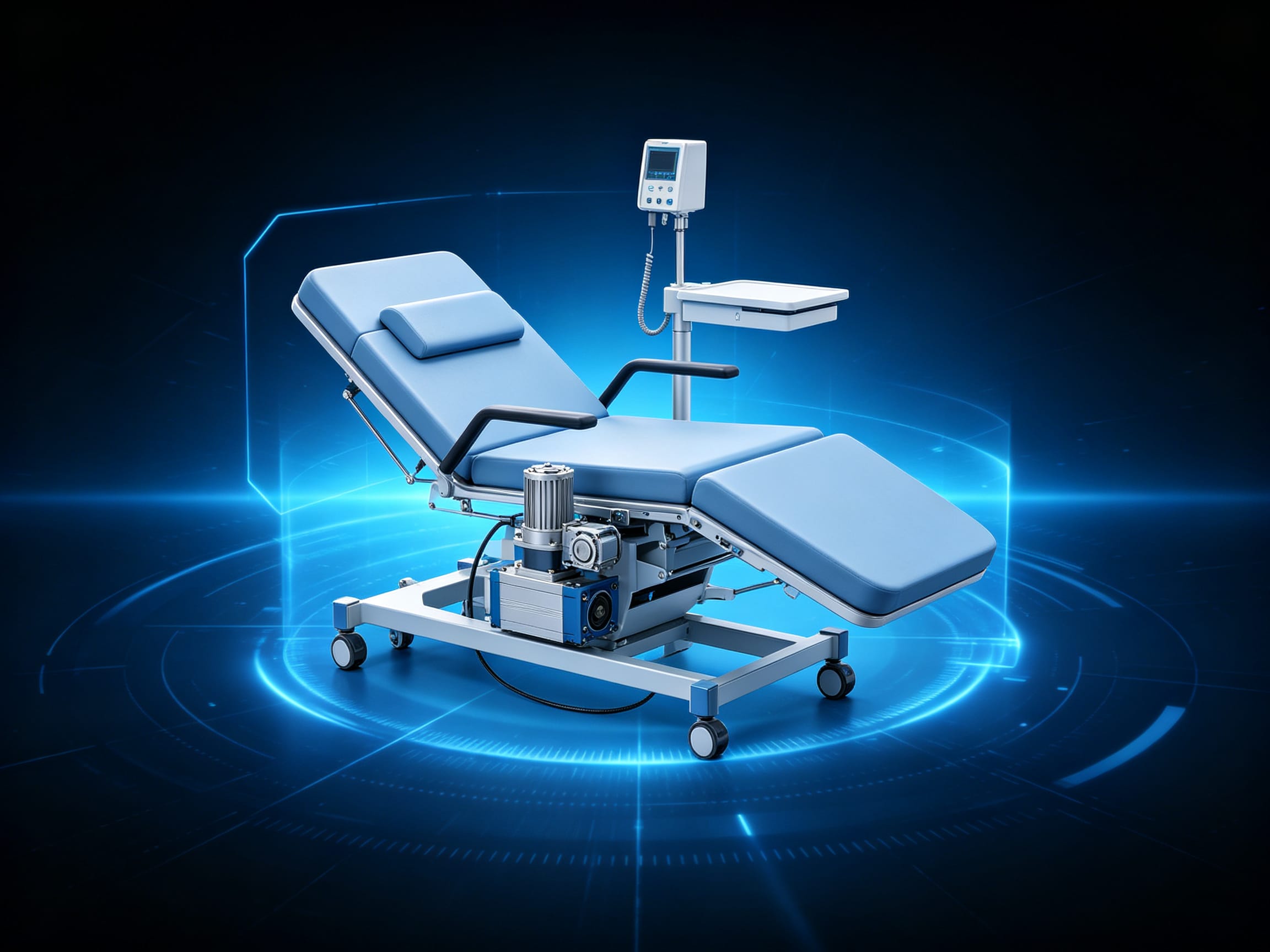
- Medical equipment: Surgical robots, imaging systems, infusion pumps, and prosthetics
- Packaging & printing: Labeling, filling, cutting, and high‑speed registration
- Electronics manufacturing: Chip placement, wire bonding, and PCB processing
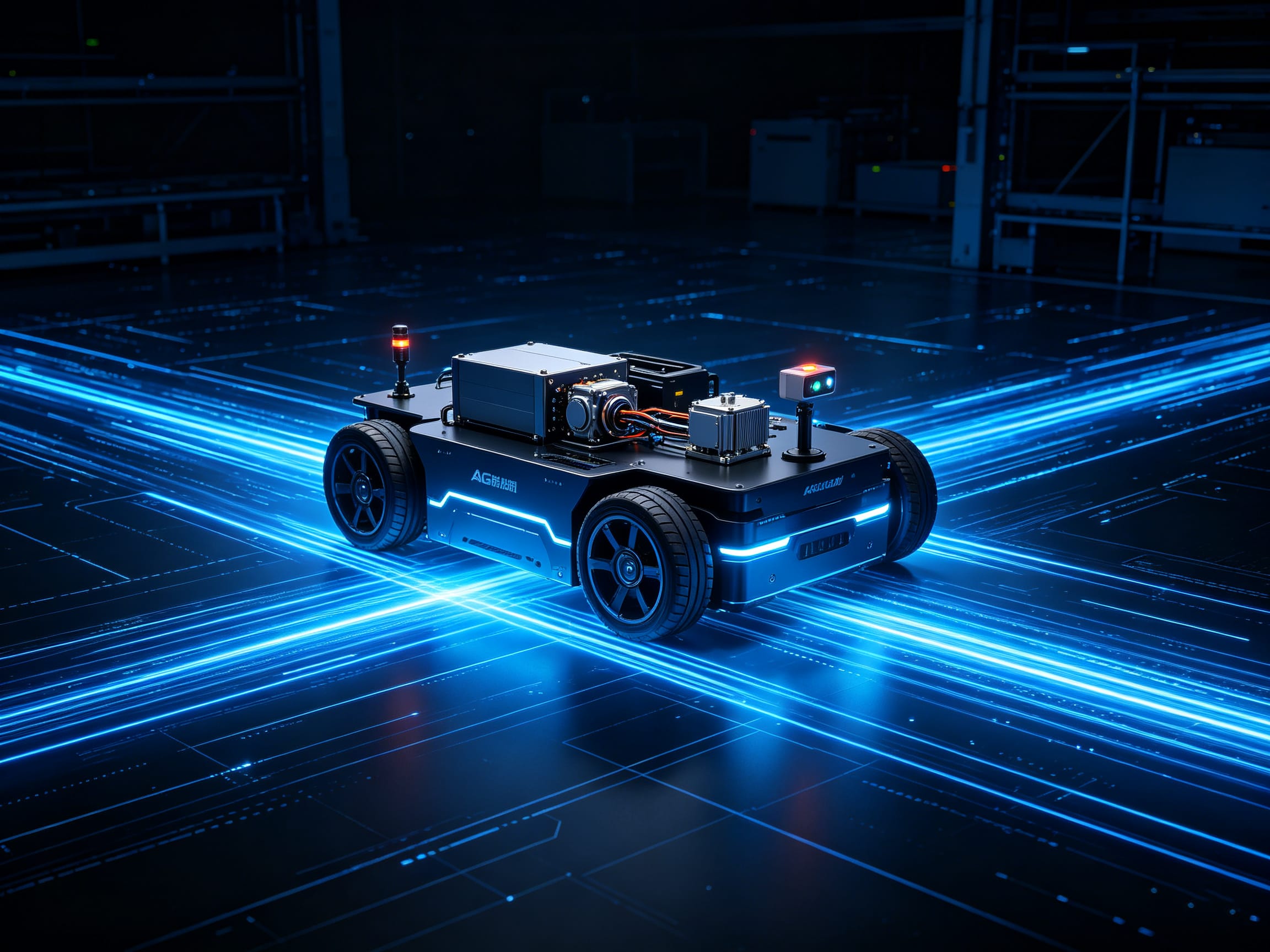
- Automotive production: Welding, assembly, painting, and material handling
- Semiconductor equipment: Wafer handling, precision positioning, and inspection
- Food & beverage: Filling, capping, sorting, and packaging lines
- Renewable energy: Solar trackers, wind turbine pitch control, and test platforms
9.How to Select a Servo Actuator and Servo Driver
To choose the right servo actuator and servo driver, consider these factors:
- Load requirements: Torque, force, inertia, and weight
- Motion parameters: Positioning accuracy, speed, stroke, and cycle time
- Environment: Temperature, dust, moisture, vibration, and explosion risk
- Power supply: Voltage, single‑phase or three‑phase, power consumption
- Control mode: Position, speed, torque, or full closed‑loop
- Communication: EtherCAT, PROFINET, Pulse/Direction, Analog
- Size and mounting: Space constraints, flange, or linear mounting
- Budget and lifecycle cost: Initial investment, maintenance, and durability
Always ensure the servo driver is rated for the servo actuator’s voltage, current, encoder type, and peak torque.
10.Maintenance Tips for Servo Actuators and Servo Drivers

Proper maintenance extends service life and ensures consistent performance:
- Regularly inspect cables, connectors, and wiring for damage
- Clean encoders and sensors to avoid dust or oil contamination
- Monitor temperature, vibration, and noise from the servo actuator
- Update servo driver firmware for improved performance and stability
- Lubricate transmission parts (gears, screws, guides) at recommended intervals
- Calibrate position feedback periodically to maintain accuracy
- Record operating hours and schedule preventive maintenance
11.Future Trends in Servo Actuator Technology
The servo actuator industry is evolving rapidly with these trends:
- Smart servo systems: AI‑enabled self‑tuning, predictive maintenance, and adaptive control
- Miniaturization: Smaller, higher‑density micro servo actuators
- Integration: Motor, servo driver, encoder, and gearbox in one compact unit
- Higher efficiency: Rare‑earth magnets, low‑loss materials, and energy recovery
- Digitalization: Cloud connectivity, digital twins, and remote monitoring
- Improved sustainability: Reduced energy use, longer lifespans, and recyclable materials
- Enhanced safety: Functional safety compliance for collaborative robots and medical devices
Conclusion
To answer What Is a Servo Actuator? clearly: a servo actuator is a closed‑loop actuator that uses real‑time feedback and a dedicated servo driver to deliver ultra‑precise, stable, and responsive motion control. It is a foundational technology for modern automation, robotics, and precision engineering.
The synergy between the servo actuator, feedback sensor, and servo driver creates a system that outperforms conventional open‑loop actuators in accuracy, speed, and reliability. As industry demands higher productivity, flexibility, and intelligence, servo actuators will continue to be essential components in global manufacturing, aerospace, medical, and smart infrastructure.
Whether you are designing a production line, selecting motion components, or troubleshooting equipment, understanding servo actuator fundamentals—including the critical role of the servo driver—will help you make better technical and purchasing decisions.
Share to: