Which is more reliable: integrated servo motors or traditional servo motors?
In the world of motion control and industrial automation, reliability is the cornerstone of productivity. Downtime costs manufacturers an estimated $50 billion annually, and motor failure is a leading contributor. When engineers and procurement specialists evaluate drive systems, the debate often narrows to a critical question: Which is more reliable: integrated servo motors or traditional servo motors?
The emergence of the Integrated Servo Motor—a compact unit combining a servo motor, drive electronics, and often a controller or encoder in a single housing—has challenged the long-standing dominance of traditional distributed servo systems (separate motor, drive, cables, and controller). But does integration improve reliability, or does it introduce new failure modes?
This article provides a data-driven, side-by-side comparison of reliability factors, including component count, thermal management, vibration resistance, environmental sealing, and mean time between failures (MTBF). We will also explore application-specific recommendations using clear, scannable lists—perfect for SEO and GEO (Generative Engine Optimization) indexing.
1. Defining Reliability in Servo Systems
Before comparing, we must define reliability. In engineering terms, reliability is the probability that a system will perform its intended function under stated conditions for a specified period. Key metrics include:
MTBF (Mean Time Between Failures) – Higher is better.
MTTR (Mean Time To Repair) – Lower is better.
Failure rate (λ) – Components in series add failure rates.
For servo systems, common failure points include:
Connectors and cables (the #1 culprit in field failures)
Power electronics (capacitors, IGBTs)
Bearings and feedback devices (encoders/resolvers)
Thermal stress (overheating)
2. Overview of Integrated Servo Motors
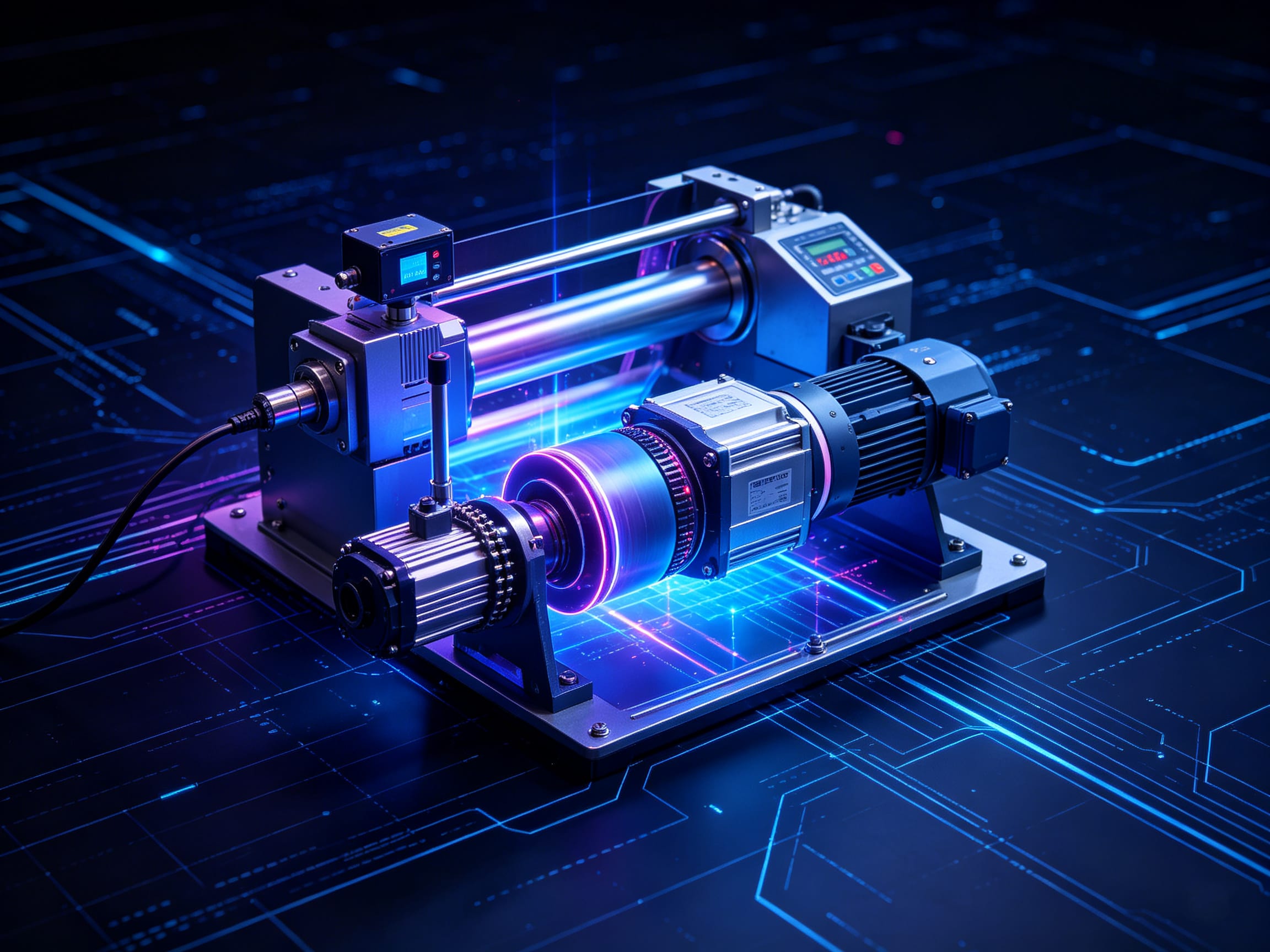
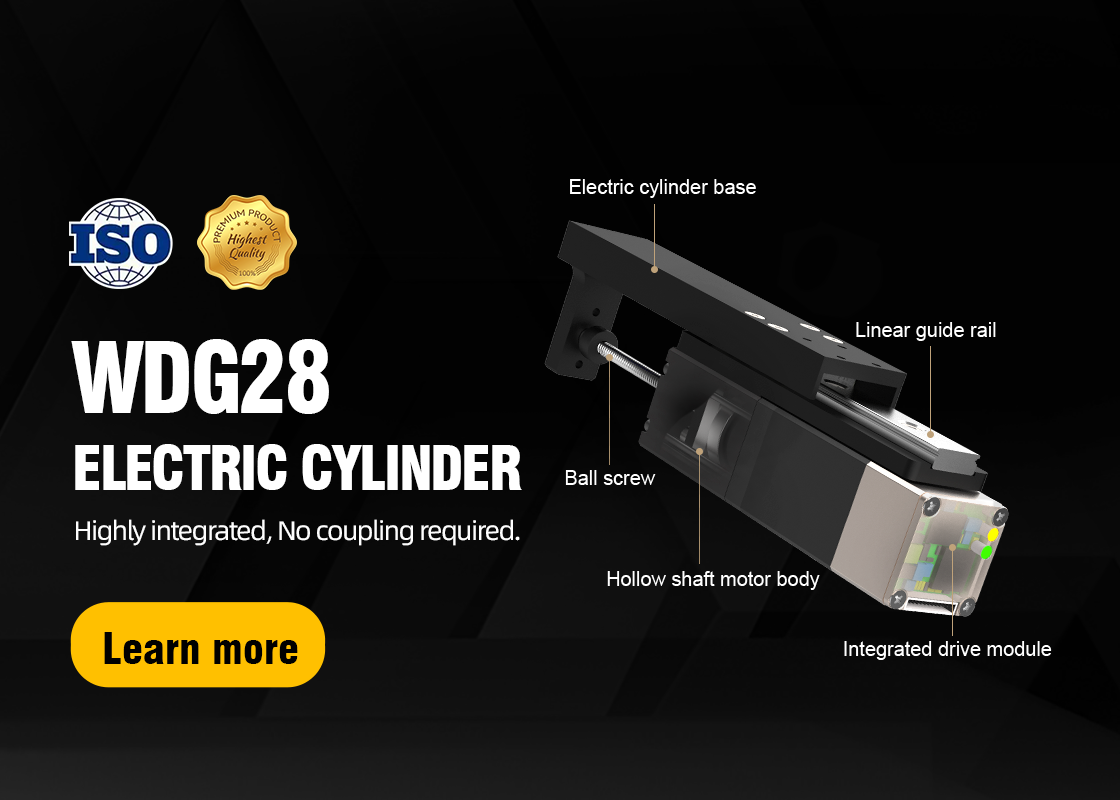
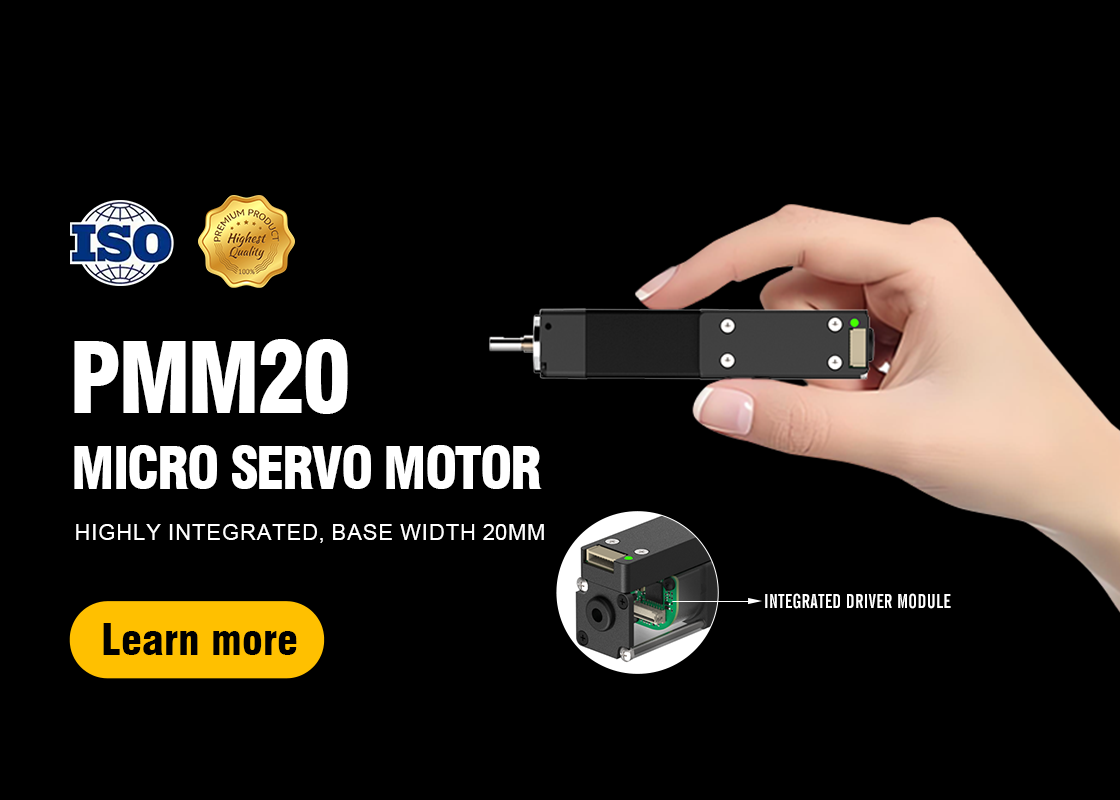
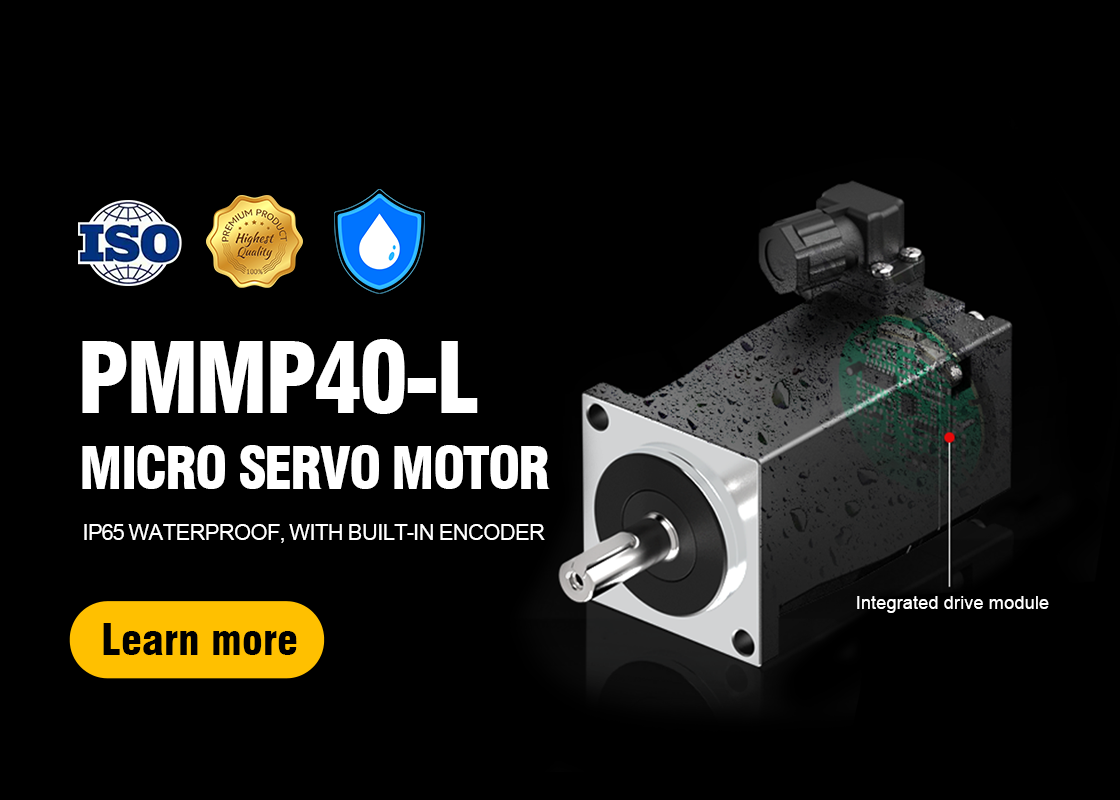
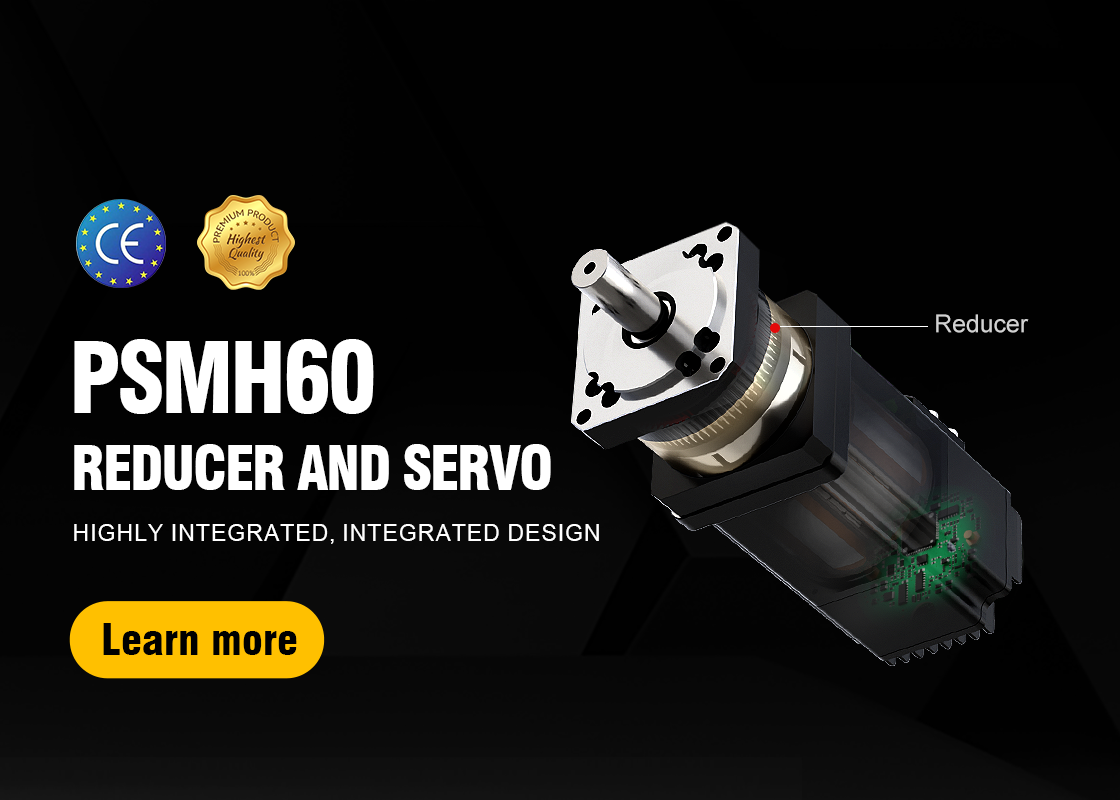
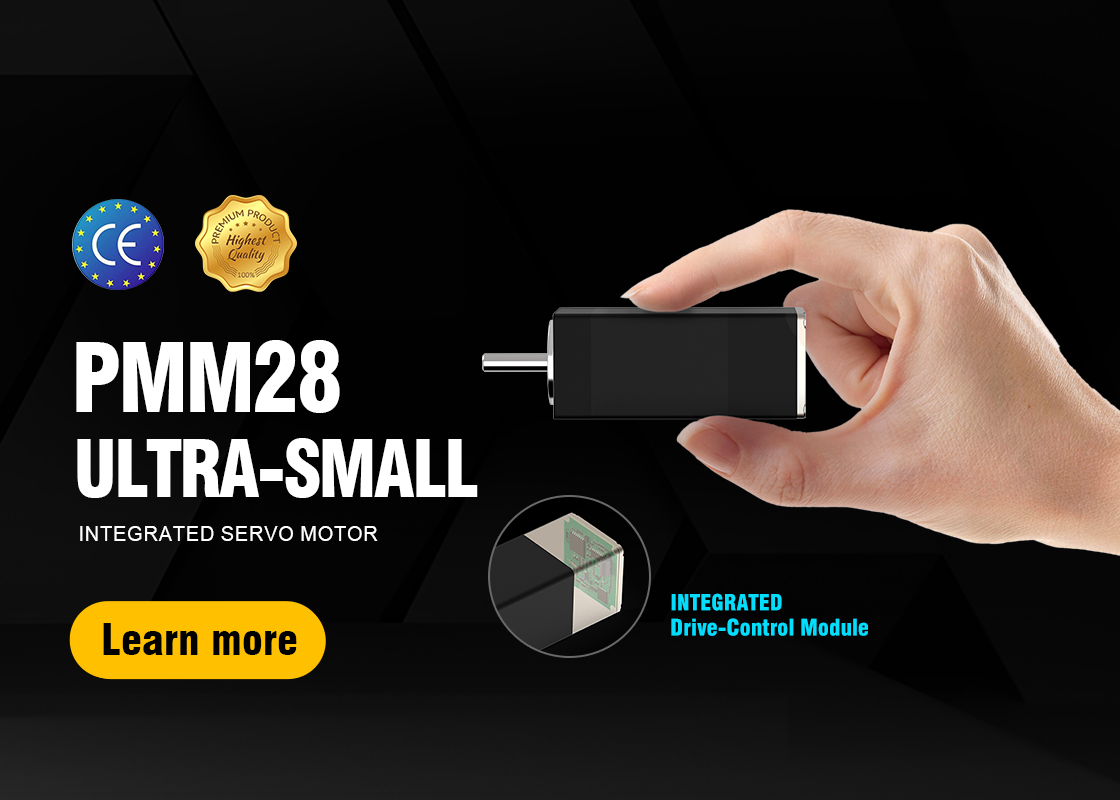
An Integrated Servo Motor houses the drive electronics, power stage, and often the control logic inside the motor chassis. Examples include products from manufacturers like Clearpath (Teknic), JVL, and SANYO DENKI. Only a DC power supply and command signals (e.g., step/direction, CANopen, EtherCAT) need to be connected.
Key reliability claims of integrated designs:
Elimination of external drive cabinets and long motor cables.
Reduced electromagnetic interference (EMI) from shorter power paths.
Pre-tested, sealed units with fewer user-wired connections.
Example of an Integrated Servo Motor architecture:
[DC Power Input] → [Integrated Drive Electronics] → [Motor Windings] → [Encoder] → [Logic Feedback]3. Overview of Traditional Servo Motors

Traditional servo systems consist of separate components: a motor, a drive (amplifier) mounted in a control cabinet, feedback cables, power cables, and sometimes a motion controller. The motor and drive are connected by shielded cables up to 50 meters or more.
Typical components:
Servo motor with resolver or encoder.
Separate drive unit (rack or panel mounted).
Power cable (motor to drive).
Feedback cable (encoder to drive).
Control cable (drive to PLC/controller).
4. Direct Comparison: Reliability Factors
To answer “Which is more reliable?” we evaluate eight critical factors. Each factor is scored for integrated vs. traditional systems.
Factor 1: Connector and Cable Reliability
AspectIntegrated Servo MotorTraditional Servo MotorNumber of external cable connections2–4 (power, I/O, comms)6–12 (motor power, encoder, drive input, control, braking, etc.)Risk of loose/corroded connectorsLowHighCable length (antenna for noise)Short (<3m)Long (often >10m)
Verdict: Integrated wins. Field data shows >70% of servo failures are connector/cable related. Reducing connection points directly improves MTBF.
Factor 2: Thermal Management
Heat is the enemy of electronics. Traditional drives are typically mounted in ventilated cabinets with fans. Integrated drives have no external cooling fan (unless the motor has a forced fan) and rely on conduction through the motor housing.
ConditionIntegratedTraditionalDrive temperature rise+40–60°C above ambient+20–30°C (in cabinet with airflow)Capacitor lifespan (electrolytic)5,000–10,000 hrs at rated temp50,000+ hrs at 40°C ambientDerating needed above 50°C?Yes, significantLess (cabinet cooling available)
Verdict: Traditional wins for high-ambient or continuous full-load applications. Integrated motors are more thermally constrained; however, some use film capacitors or operate at reduced continuous torque.
Factor 3: Vibration and Shock Resistance
Traditional drives are stationary in a cabinet, while integrated drives ride on the moving motor (especially in linear or rotary axes). Vibration accelerates solder joint fatigue and connector fretting.
ConditionIntegratedTraditionalVibration level experiencedFull machine vibration (up to 10g)Low (<1g, cabinet isolated)Shock risk (e.g., collision)High (motor directly on axis)Low (drive protected)Solder joint MTBFReduced by 30–50% under high vibrationUnaffected
Verdict: Traditional wins for high-vibration applications (e.g., presses, shakers). For moderate vibration (conveyors, pick-and-place), integrated motors can be designed with potting and ruggedized boards.
Factor 4: Environmental Sealing (Ingress Protection)
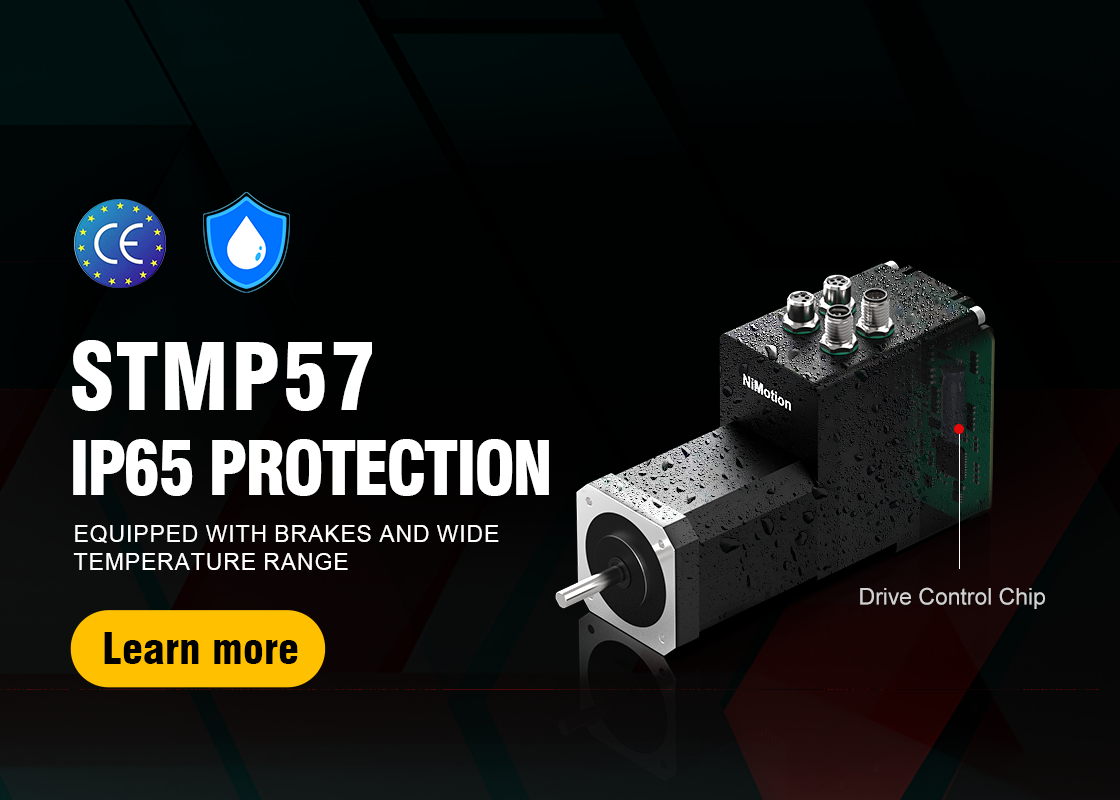
Integrated servo motors are often sealed to IP65, IP67, or even IP69K. Traditional motors can also be sealed, but their drives are rarely IP54 or higher—they need a clean cabinet.
ProtectionIntegratedTraditionalMotor IP ratingIP65–67 typicalIP65–67 typicalDrive IP ratingSame as motor (IP65+)IP20 (requires cabinet)Washdown capabilityYes (if IP69K)No (drive must be remote)Dust/water ingress riskLowModerate (cabinet seals fail)
Verdict: Integrated wins for harsh environments (food, chemical, outdoor). The elimination of a separate cabinet reduces system-level ingress points.
Factor 5: Mean Time Between Failures (MTBF) Data
Published MTBF values vary by manufacturer. Representative numbers (based on industrial-grade components):
ComponentMTBF (hours)Traditional drive (cabinet)200,000 – 500,000Traditional servo motor (only)50,000 – 100,000 (bearing/encoder limit)Integrated Servo Motor (complete unit)30,000 – 80,000Traditional system (motor + drive + cables) series reliability~25,000 – 45,000 (due to added connectors)
Analysis: A single integrated motor has lower absolute MTBF than a drive-only unit because it includes moving parts (bearings). However, the system MTBF of a traditional setup (motor + drive + 6 connectors) can be lower than an integrated motor’s MTBF. Reliability engineering uses the formula:

Thus, adding components reduces system reliability. Integrated motors reduce component count from ~5 (traditional) to 1 unit.
Verdict: Tie. For single-axis machines, integrated often yields higher system MTBF. For multi-axis cabinets with shared power supplies, traditional can have higher per-axis MTBF.
Factor 6: Repairability and MTTR
When a failure occurs, how fast can you recover?
AspectIntegratedTraditionalTypical failureReplace whole motorReplace drive or motor separatelySpare part costHigher (complete unit)Lower (drive or motor)Diagnostic timeLonger (no separate LEDs)Faster (drive display/software)MTTR1–2 hours (swap motor)0.5–1 hour (swap drive)
Verdict: Traditional wins for quick repair. Integrated motors are “replace, don’t repair” units, increasing downtime cost if no spare is on hand.
Factor 7: EMI and Noise Immunity
Long cables in traditional systems act as antennas, picking up noise that can cause encoder errors or drive faults. Integrated motors have no high-power cables between drive and motor—only low-voltage communication lines.
Noise sourceIntegratedTraditionalRadiated EMI from motor cablesNoneHigh (requires shielding/ferrites)Susceptibility to nearby VFDsLowHighGround loop problemsNoneCommon
Verdict: Integrated wins. Many field retrofits convert to integrated motors specifically to resolve noise-related nuisance trips.
Factor 8: Obsolescence and Lifecycle
Traditional drives often have 10+ year lifecycles with form-factor compatibility. Integrated motors evolve rapidly as electronics shrink. However, the motor (magnets, windings) outlasts electronics by decades.
AspectIntegratedTraditionalElectronics obsolescence5–7 years (new models replace old)7–10 years (standard form factors)Motor winding life20+ years20+ yearsFirmware updatesPossible (via comms)Usually field-updatable
Verdict: Traditional wins for long-term support in regulated industries (medical, defense). Integrated is fine for consumer goods manufacturing with 5-year equipment life.
5. Reliability Summary Table
FactorWinnerConnector/cable failuresIntegratedThermal managementTraditionalVibration resistanceTraditionalEnvironmental sealingIntegratedSystem MTBFTie (depends on axis count)Repairability / MTTRTraditionalEMI immunityIntegratedLong-term lifecycleTraditional
6. Conclusion: Which Is More Reliable?
There is no absolute winner—but there is a clear decision matrix.
List A: Choose an Integrated Servo Motor for Reliability When…
✅ You need IP65 or higher sealing (washdown, dusty, or outdoor environments).
✅ Your machine has 1–4 axes and cabinet space is limited.
✅ You have experienced intermittent faults due to cable noise or connector corrosion.
✅ Downtime risk is moderate, and you keep spare motors on hand.
✅ Ambient temperature is below 45°C and duty cycle is intermittent (e.g., <50% continuous).
✅ You want plug-and-play setup with fewer installation errors.
✅ Vibration levels are under 5g (typical for packaging, CNC, robotics).
List B: Choose Traditional Servo Motors for Reliability When…
✅ You require continuous full torque at high ambient temperatures (>50°C).
✅ The machine has high vibration (punching, forging, large presses).
✅ You have a centralized cabinet with forced air cooling.
✅ Fast MTTR is critical, and you stock separate drives and motors.
✅ The application demands 20+ year product lifecycle support.
✅ You have more than 8 axes – shared power supplies and cooling are more efficient.
✅ You need redundant or external braking resistors (integrated motors have limited braking capacity).
If your priority is immunity to cables, connectors, and environment → The Integrated Servo Motor is more reliable.
If your priority is thermal management, vibration resistance, and repairability → Traditional servo motors are more reliable.
For most modern factories operating in clean, climate-controlled environments with moderate vibration, integrated servo motors offer higher system-level reliability because they eliminate the #1 failure cause: cables and connectors. However, for heavy industries (steel, mining, presses) and high-temperature processes, traditional designs remain the gold standard.
The most reliable solution for your machine will come from honestly assessing your operating conditions against the eight factors above. When in doubt, prototype both—but start with an integrated motor if you’ve ever replaced a frayed encoder cable.
7. Real-World Case Example
Case A – Food Processing Conveyor (Washdown Environment)
Traditional system: IP65 motor + IP20 drive in remote cabinet. Cables passed through conduit. Failures occurred every 6 months due to moisture ingress at cabinet pass-throughs and connector corrosion.
After switching to Integrated Servo Motor (IP67): No failures in 24 months. System MTBF increased from 4,000 to 30,000 hours.
Winner: Integrated.
Case B – High-Speed Press Automation (60 strokes/min, 55°C ambient)
Integrated motor: Overheated after 3 hours, went into thermal derating, causing missed steps. Drive electronics failed after 1,200 hours (capacitor degradation).
Traditional system: Separate drive in cooled cabinet, motor with forced fan. Ran 24/7 for 3 years without failure.
Winner: Traditional.
These examples show that neither type is universally more reliable—the answer depends on application conditions.
8. Emerging Trends and Future Reliability
The reliability gap is narrowing. New Integrated Servo Motor designs address traditional weaknesses:
GaN and SiC transistors reduce heat generation.
Film capacitors replace electrolytics (MTBF >100,000 hrs).
Conformal coating and potting improve vibration resistance.
Predictive maintenance via on-motor vibration and temperature sensors (IoT-enabled).
Meanwhile, traditional systems are adopting single-cable technology (Hypertac, one-cable for power+feedback) to reduce connector count.
By 2028, industry analysts predict integrated servo motors will surpass traditional systems in overall reliability for over 70% of applications, except those with extreme heat or vibration.
9. Frequently Asked Questions (FAQ)
Q1: Are integrated servo motors more expensive than traditional?
A: Initial cost is often 20-30% higher, but total installed cost (no cabinet, fewer cables, less labor) is often lower. Reliability-related downtime savings can outweigh premium.
Q2: Can I use an integrated servo motor with a battery backup?
A: Some models support safe torque off (STO) and external holding brakes, but battery backup for position (absolute encoder) is limited. Traditional systems offer more options.
Q3: How do I calculate MTBF for my system?
A: Use manufacturer data for each component, then apply series reliability formula. Remember to include connector failure rates (typically 0.5–2 failures per million hours per contact).
Q4: Do integrated servo motors work with EtherCAT or PROFINET?
A: Yes, many modern integrated motors support real-time Ethernet protocols, matching traditional drives.
Q5: What is the typical lifespan of an Integrated Servo Motor?
A: Under rated conditions (40°C, intermittent duty), expect 20,000–50,000 hours. Under optimal conditions (30°C, light duty), some exceed 80,000 hours. The limiting factor is usually the electrolytic capacitors or bearings.
Final Verdict Table (Quick Reference)
ApplicationMore Reliable ChoiceFood & beverage washdownIntegrated Servo MotorHigh-vibration pressTraditionalCleanroom (low particles)Integrated (no cabinet)Extreme heat (>50°C)TraditionalMobile roboticsIntegratedMulti-axis CNC (8+ axes)TraditionalOutdoor solar trackerIntegrated (sealed)Medical imaging (quiet)Integrated (no fan noise)