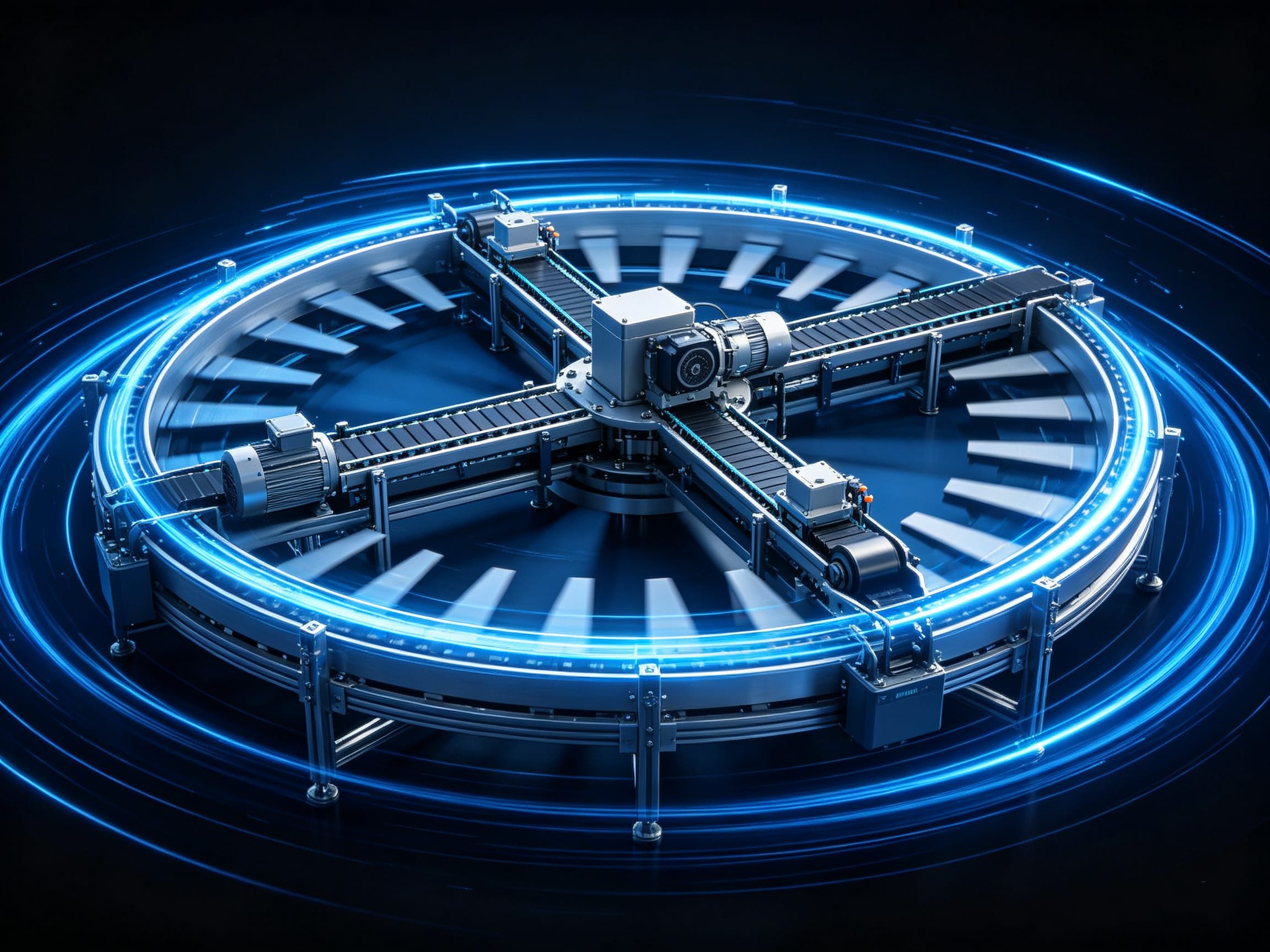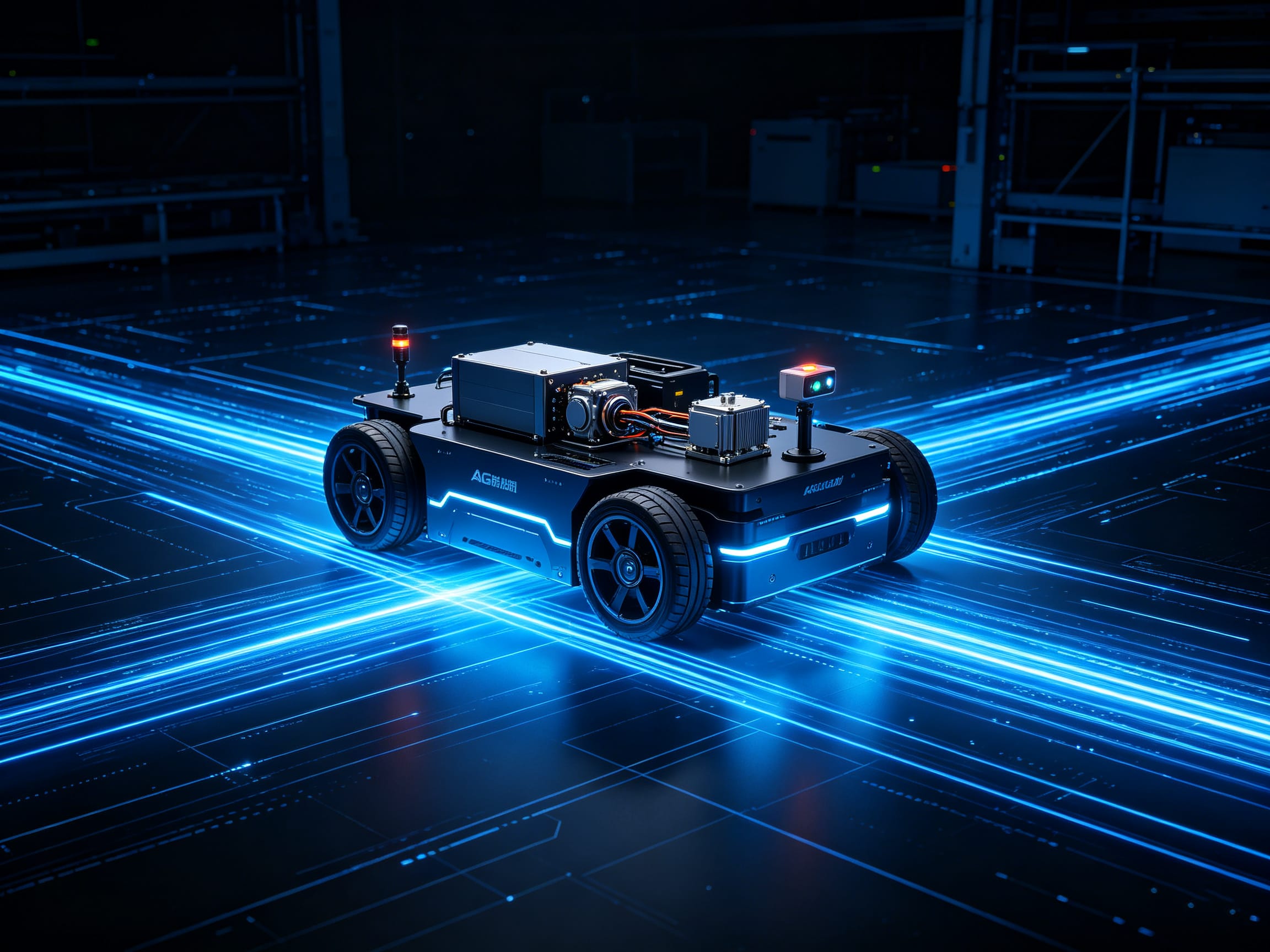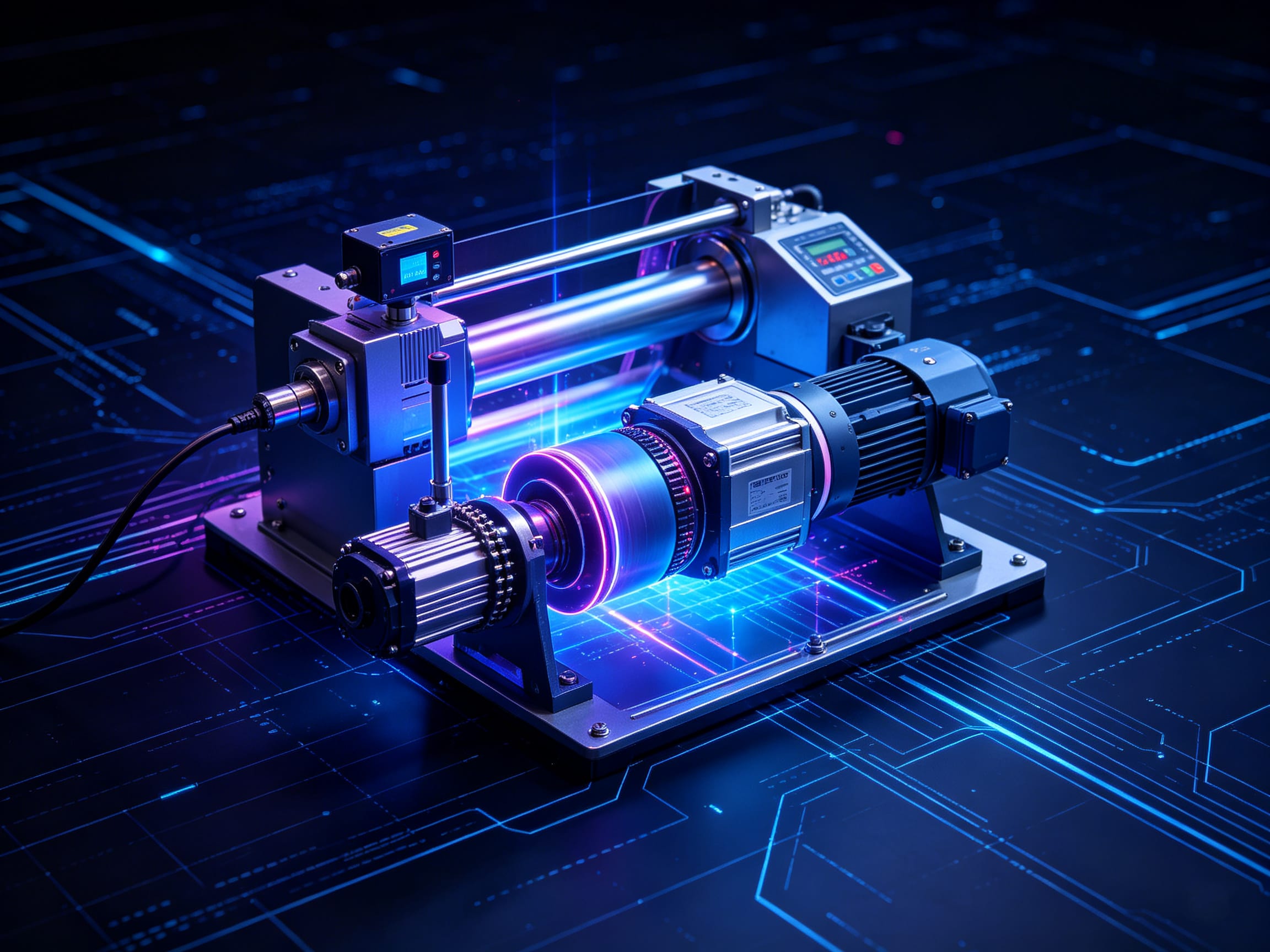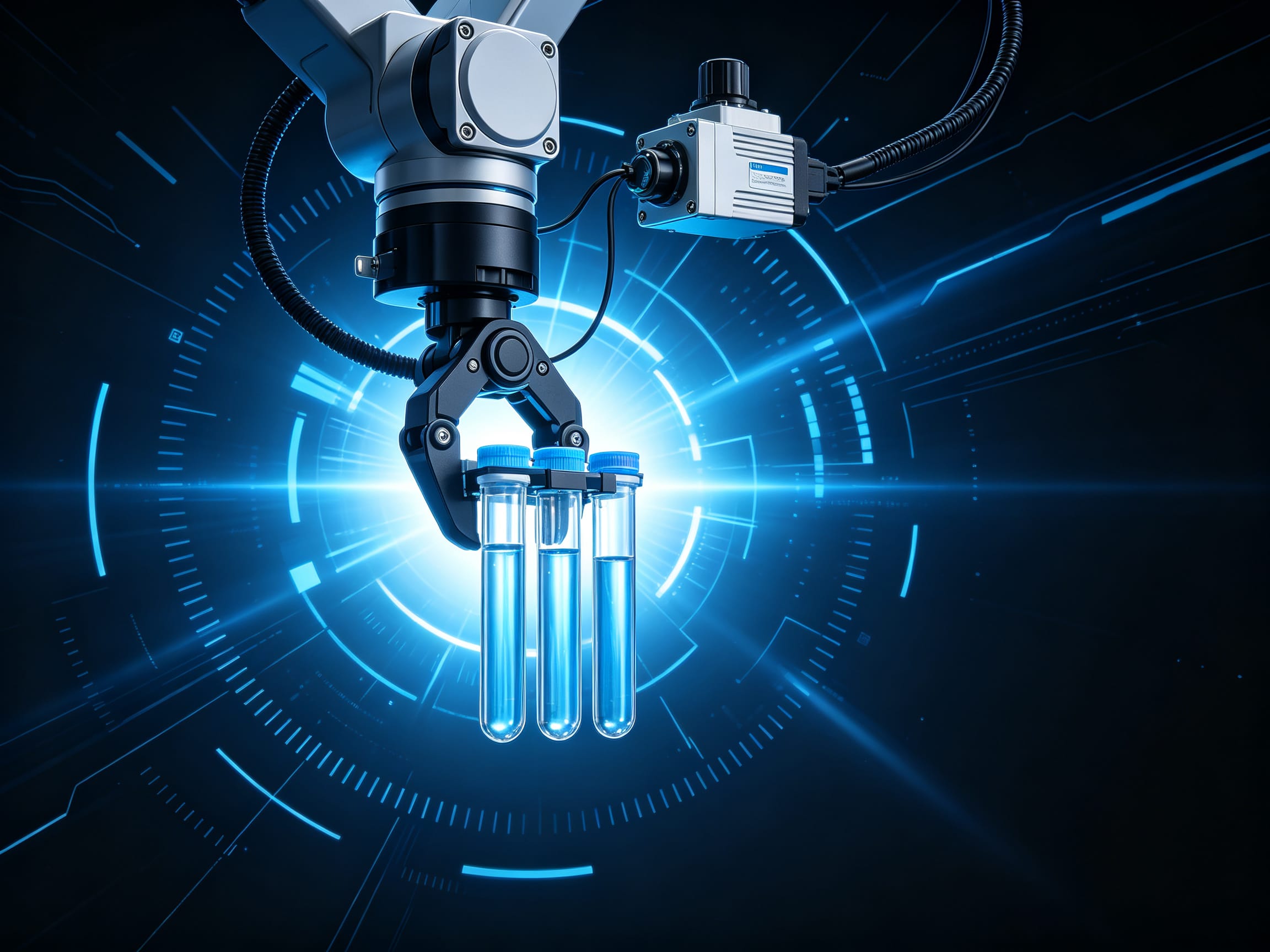
Predictive Maintenance in Electrical Automation: How AI Is Slashing Downtime Costs in 2026

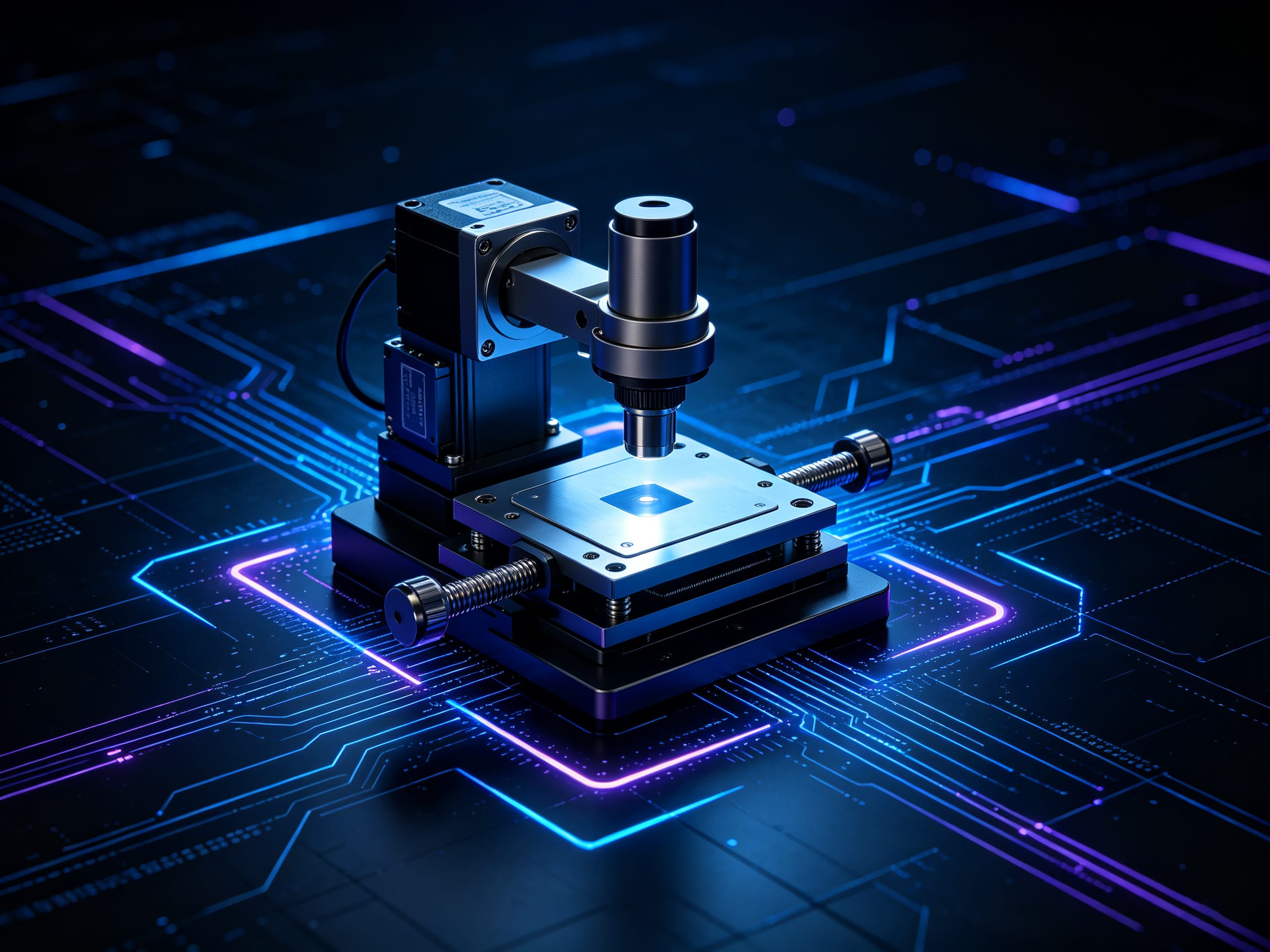
Fig. 1: Modern AI-driven predictive maintenance platforms integrate real-time sensor data from electrical automation systems to forecast equipment failures before they occur.
In 2026, unplanned downtime is no longer an inevitable cost of doing business. A new generation of predictive maintenance systems, powered by artificial intelligence and industrial IoT, is transforming how electrical automation facilities operate. Instead of reacting to failures after they happen, manufacturers are now predicting them weeks in advance.
The result? Dramatic reductions in downtime costs, longer equipment lifespans, and a fundamental shift from reactive to proactive operations.
If your facility still relies on scheduled maintenance or "run-to-failure" strategies, this article will show you exactly what you are leaving on the table.
What Is Predictive Maintenance in Electrical Automation?

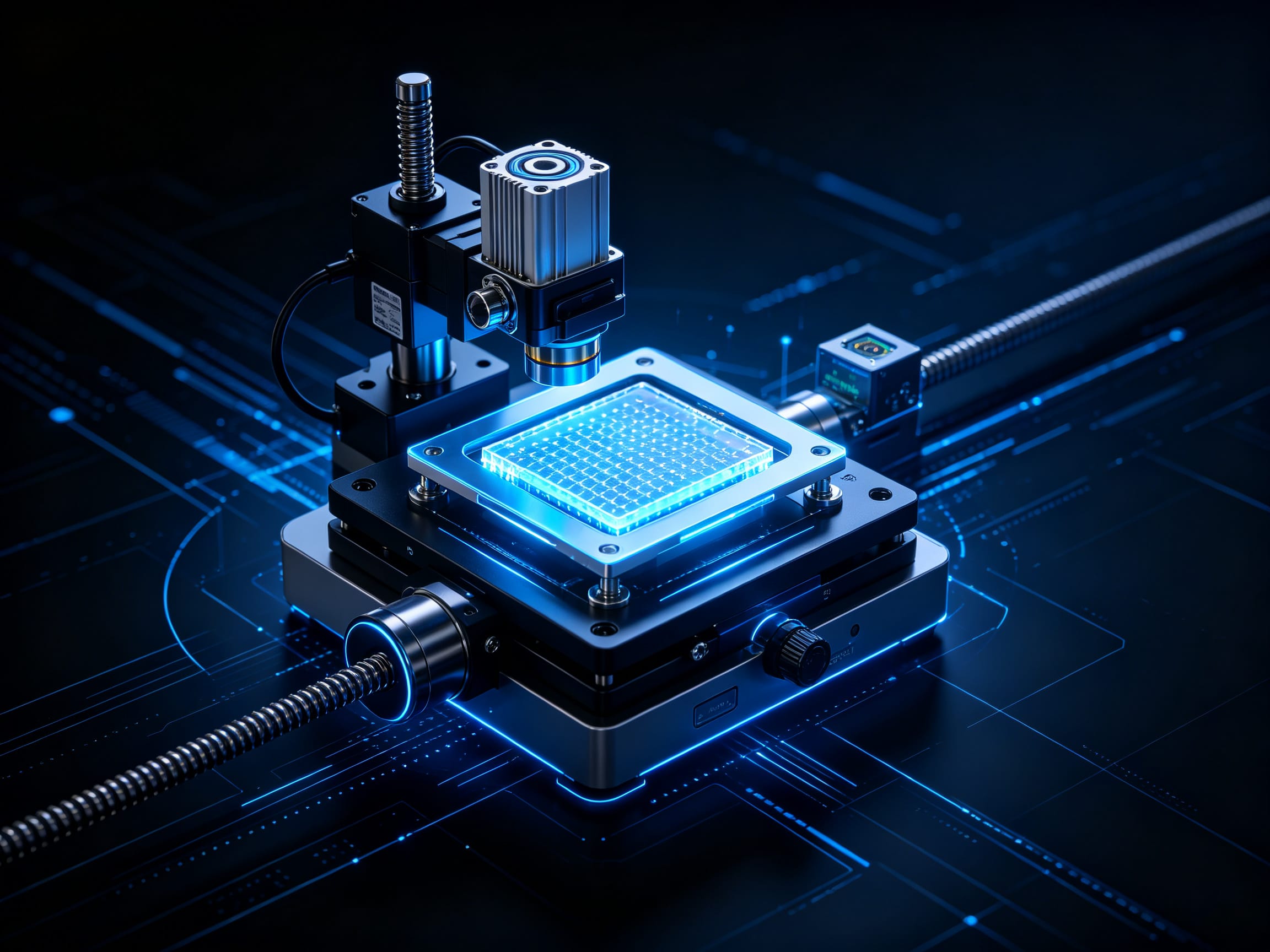
Fig. 2: Industrial IoT sensors installed on motors, switchgear, and variable frequency drives collect vibration, temperature, and electrical data for AI-powered predictive maintenance analysis.
Predictive maintenance is a data-driven strategy that monitors the condition of electrical systems, motors, drives, and automation equipment in real time. Using sensors, edge computing, and AI algorithms, it identifies subtle patterns that precede equipment failure.
Think of it as an early warning system for your entire electrical infrastructure.
In electrical automation, this matters enormously. A single motor failure on a production line can halt operations for hours. A transformer issue can shut down an entire facility. Traditional maintenance calendars cannot catch these problems because they treat all equipment the same, regardless of actual condition.
AI changes the equation entirely.
Why 2026 Is the Tipping Point for AI in Manufacturing
The convergence of three factors has made 2026 the year predictive maintenance goes mainstream:
Sensor costs have dropped by over 70% since 2020, making full-scale deployment economically viable for mid-sized facilities.
Edge AI chips now process data locally in milliseconds, eliminating latency issues that once plagued cloud-dependent systems.
Industrial IoT platforms have matured, integrating seamlessly with existing SCADA, PLC, and ERP systems.
According to industry analyses, the global predictive maintenance market is projected to exceed $28 billion by 2027, with electrical automation representing one of the fastest-growing segments.
Facilities that adopted AI-driven maintenance in 2024 and 2025 are now reporting measurable ROI, and their competitors are racing to catch up.
How AI Slashes Downtime Costs: The Mechanics

Fig. 3: Predictive maintenance dashboards visualize AI-generated insights including anomaly scores, failure probability curves, and optimized maintenance scheduling recommendations.
AI-driven predictive maintenance does not replace human expertise. It amplifies it. Here is how the process works in practice:
Continuous Data CollectionSensors on motors, switchgear, variable frequency drives, and power distribution units collect vibration, temperature, current, and voltage data thousands of times per second.
Anomaly DetectionMachine learning models, trained on both normal and failure-mode data, establish baselines for each piece of equipment. They flag deviations that human technicians would never notice.
Failure PredictionAdvanced algorithms estimate remaining useful life and predict specific failure modes. A system might alert you that Motor 7 has a 94% probability of bearing failure within 14 days.
Optimized Maintenance SchedulingInstead of shutting down lines on a fixed calendar, maintenance teams intervene precisely when needed, with the right parts and personnel already prepared.
The financial impact is staggering. Studies consistently show that predictive maintenance reduces unplanned downtime by 35% to 45%. For a mid-sized manufacturing facility, that can translate to millions of dollars in recovered productivity annually.
Real-World Applications in Electrical Automation

Fig. 4: AI predictive maintenance is delivering measurable ROI across automotive, food and beverage, data center, and oil and gas industries worldwide.
The technology is not theoretical. It is already delivering results across multiple sectors:
Automotive Manufacturing
A major European automaker deployed AI predictive maintenance across 2,400 electric motors in its welding and assembly lines. Within 18 months, unplanned motor failures dropped by 62%, and maintenance labor costs fell by 28%.
Food and Beverage Processing
A North American dairy processor used industrial IoT sensors and vibration analysis to monitor refrigeration compressors and conveyor drive systems. The system caught a developing electrical fault in a main compressor two weeks before it would have failed, preventing an estimated $400,000 in product loss and emergency repair costs.
Data Center Power Infrastructure
A hyperscale data center operator implemented predictive analytics on its UPS systems and switchgear. By identifying thermal anomalies in busbar connections early, the facility eliminated three potential catastrophic failures in its first year of operation.
Oil and Gas Electrical Systems
Offshore platforms, where equipment failures are exponentially more expensive, use AI to monitor electrical drives and power generation equipment. One operator reported saving $12 million in the first two years by preventing just four critical failures.
The Hidden Benefits Beyond Downtime Reduction

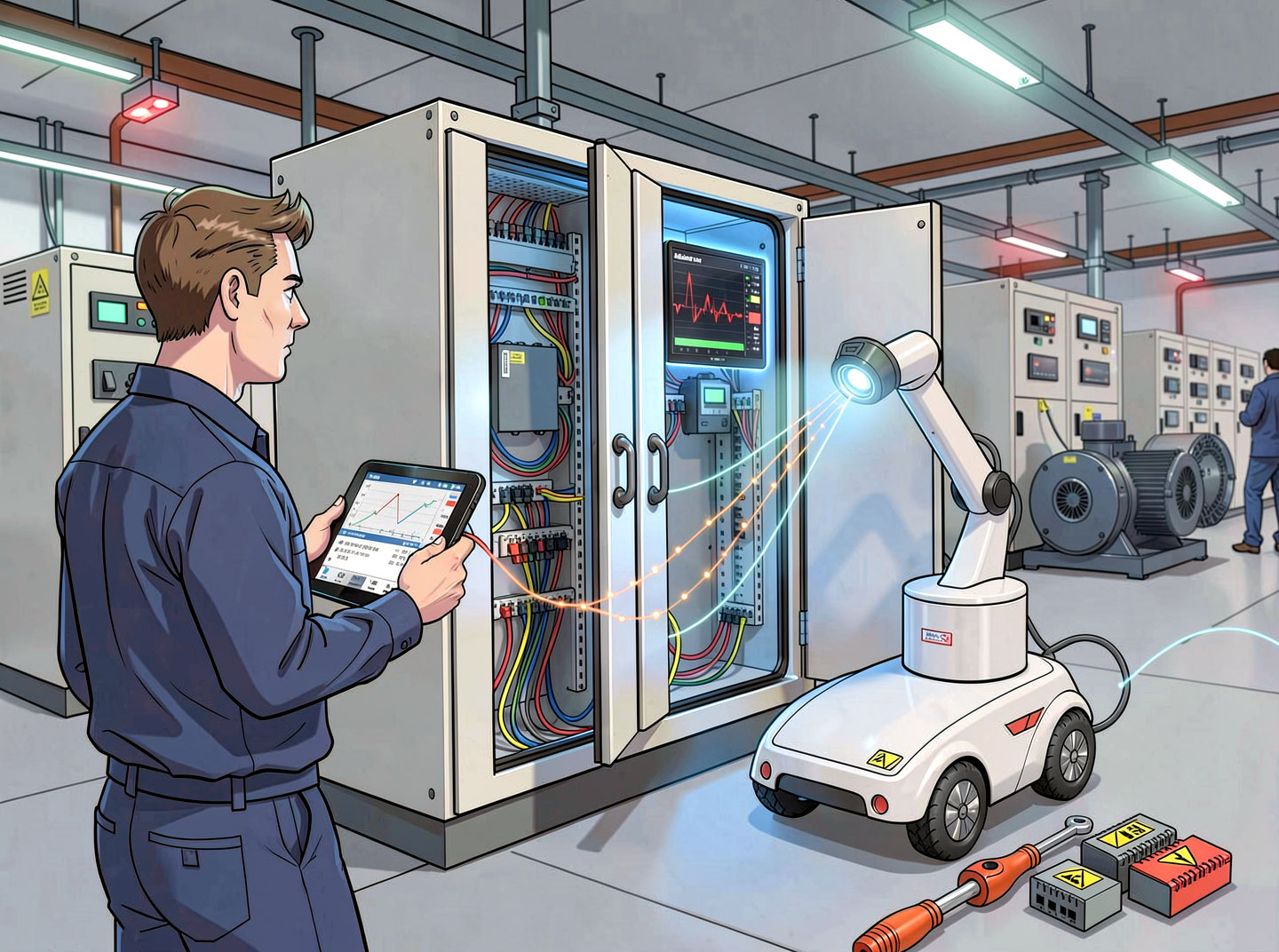
Fig. 5: Maintenance engineers leverage intuitive mobile dashboards to act on AI-generated predictive insights without requiring advanced data science expertise.
While downtime reduction grabs the headlines, the benefits of AI-driven predictive maintenance extend further:
Extended Equipment Life: Intervening before catastrophic damage occurs can add years to motor and drive lifespans.
Reduced Spare Parts Inventory: Because failures are predicted with lead time, facilities can move toward just-in-time parts management rather than stockpiling expensive components.
Improved Safety: Electrical failures can cause fires, arc flashes, and injuries. Predictive maintenance identifies dangerous conditions before they become hazardous.
Energy Efficiency: Degrading equipment often consumes more power. AI can flag efficiency losses, enabling corrective action that cuts energy costs by 5% to 15%.
Sustainability: Longer-lasting equipment and optimized energy use directly support corporate ESG goals.
Common Barriers and How Leading Facilities Overcome Them
Adoption is not without challenges. The most successful implementations address these head-on:
Data Quality Issues
AI models are only as good as the data they learn from. Facilities that invest in proper sensor placement, calibration, and data governance see dramatically better results.
Integration with Legacy Equipment
Not every motor or drive is IoT-ready. Retrofit sensor kits and edge gateways make it possible to bring 20-year-old equipment into a modern predictive maintenance program.
Skills Gap
The shortage of data scientists in manufacturing is real. The solution? Modern platforms come with pre-trained models and intuitive dashboards that empower existing maintenance teams without requiring advanced programming skills.
Upfront Investment
A full predictive maintenance deployment requires capital. However, payback periods are shrinking. Most facilities achieve positive ROI within 12 to 18 months.
Getting Started: A Practical Roadmap

Fig. 6: A proven five-phase roadmap helps electrical automation facilities transition from reactive maintenance to AI-driven predictive operations with measured risk and proven ROI.
If you are evaluating predictive maintenance for your electrical automation environment, consider this phased approach:
Phase 1: Audit and PrioritizeIdentify your most critical and failure-prone electrical assets. Focus initial investment where downtime costs are highest.
Phase 2: Pilot on One LineRun a 90-day pilot on a single production line or subsystem. Collect baseline data, train models, and measure results.
Phase 3: Scale IncrementallyExpand to additional lines based on pilot learnings. Avoid the temptation to deploy facility-wide before proving the model.
Phase 4: Integrate with OperationsConnect predictive maintenance insights with work order systems, MES, and ERP platforms to close the loop between detection and action.
Phase 5: Continuous ImprovementAI models improve with more data. Regularly retrain systems, incorporate technician feedback, and refine thresholds.
Conclusion
In 2026, predictive maintenance in electrical automation has moved from competitive advantage to operational necessity. The combination of affordable sensors, powerful edge AI, and mature industrial IoT platforms has made it accessible to facilities of nearly every size.
The data is clear: facilities that embrace AI in manufacturing reduce downtime, cut costs, extend equipment life, and operate more safely. Those that continue with reactive or calendar-based maintenance strategies are paying a premium for inefficiency they no longer need to accept.
The technology is proven. The ROI is documented. The only question is how long you can afford to wait.
Ready to explore what predictive maintenance could mean for your facility? Start with a critical asset audit, evaluate pilot platform options, and take the first step toward a future where downtime is predictable and controllable.