Smart Grid and Energy Storage Automation: How Electrical Engineers Power the Clean Energy Transition
The global energy landscape is undergoing a seismic shift. Solar and wind capacity is surging, coal plants are retiring, and consumers are no longer passive ratepayers -- they are prosumers, producers, and decision-makers. At the heart of this transformation lies one critical enabler: the smart grid. And the engineers designing, deploying, and optimizing these systems are the architects of a cleaner, more resilient future.

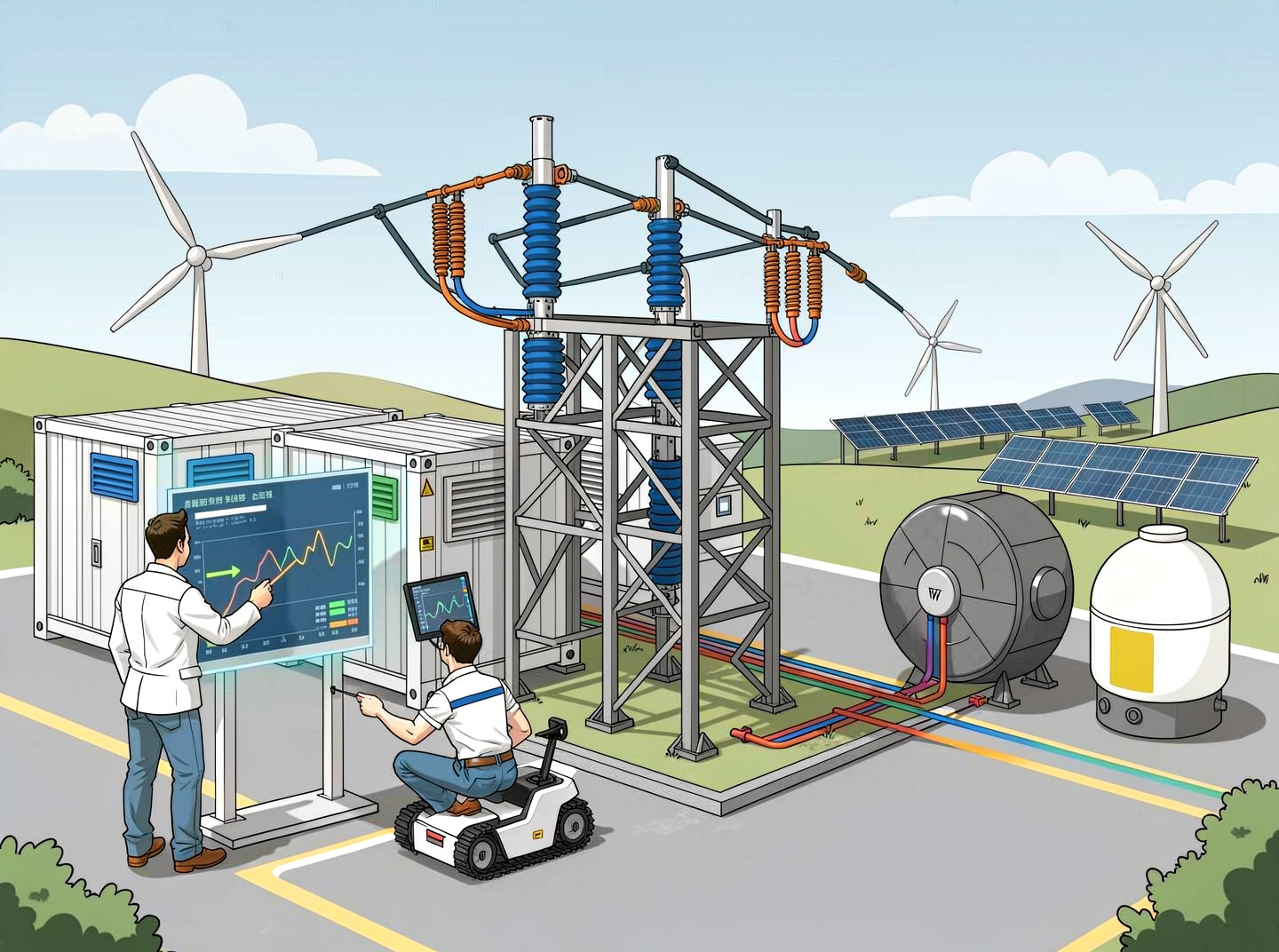
Smart grid infrastructure integrates renewable energy, battery storage, and advanced control systems to deliver clean, reliable power across modern electricity networks.
This article explores how smart grid technology and energy storage automation are reshaping modern power systems, why electrical engineers are indispensable to the clean energy transition, and what industry stakeholders need to know about distributed energy resources (DERs), battery energy storage systems (BESS), and EV charging infrastructure.
What Is a Smart Grid, and Why Does It Matter?
A smart grid is an electricity network that uses digital communication technology, sensors, and advanced control systems to monitor and manage the flow of electricity from all generation sources to meet the varying demands of end users. Unlike the traditional one-way grid -- where power flows from centralized plants to consumers -- a smart grid is bidirectional, dynamic, and data-driven.

Modern smart grid control rooms enable real-time monitoring, predictive analytics, and automated decision-making across complex electricity networks.
Key capabilities of a smart grid include:
Real-time monitoring and predictive analytics for demand forecasting
Automated fault detection, isolation, and service restoration (FLISR)
Integration of renewable energy and distributed energy resources at scale
Dynamic pricing and demand response programs that incentivize efficient consumption
Enhanced grid resilience against extreme weather and cyber threats
Without smart grid infrastructure, the intermittent nature of renewables would destabilize power systems. The sun does not shine at 7 PM. The wind does not blow on demand. The smart grid bridges this gap by intelligently balancing supply and demand across vast, complex networks.
The Role of Energy Storage Automation in Grid Stability
Energy storage automation is the technological backbone that allows modern grids to absorb renewable energy, store it efficiently, and dispatch it when needed. Battery energy storage systems (BESS) have moved from pilot projects to utility-scale deployments, and their control systems are now among the most sophisticated applications in power engineering.
Why BESS Control Is Critical
A BESS is not simply a container of lithium-ion cells. It is an integrated electromechanical and software system comprising:
Battery management systems (BMS) that protect cell health and prevent thermal runaway
Power conversion systems (PCS) that convert DC battery output to grid-synchronous AC
Energy management systems (EMS) that optimize charge and discharge schedules based on market prices, weather forecasts, and grid conditions
Grid-tie controllers that ensure compliance with interconnection standards such as IEEE 1547 and UL 1741

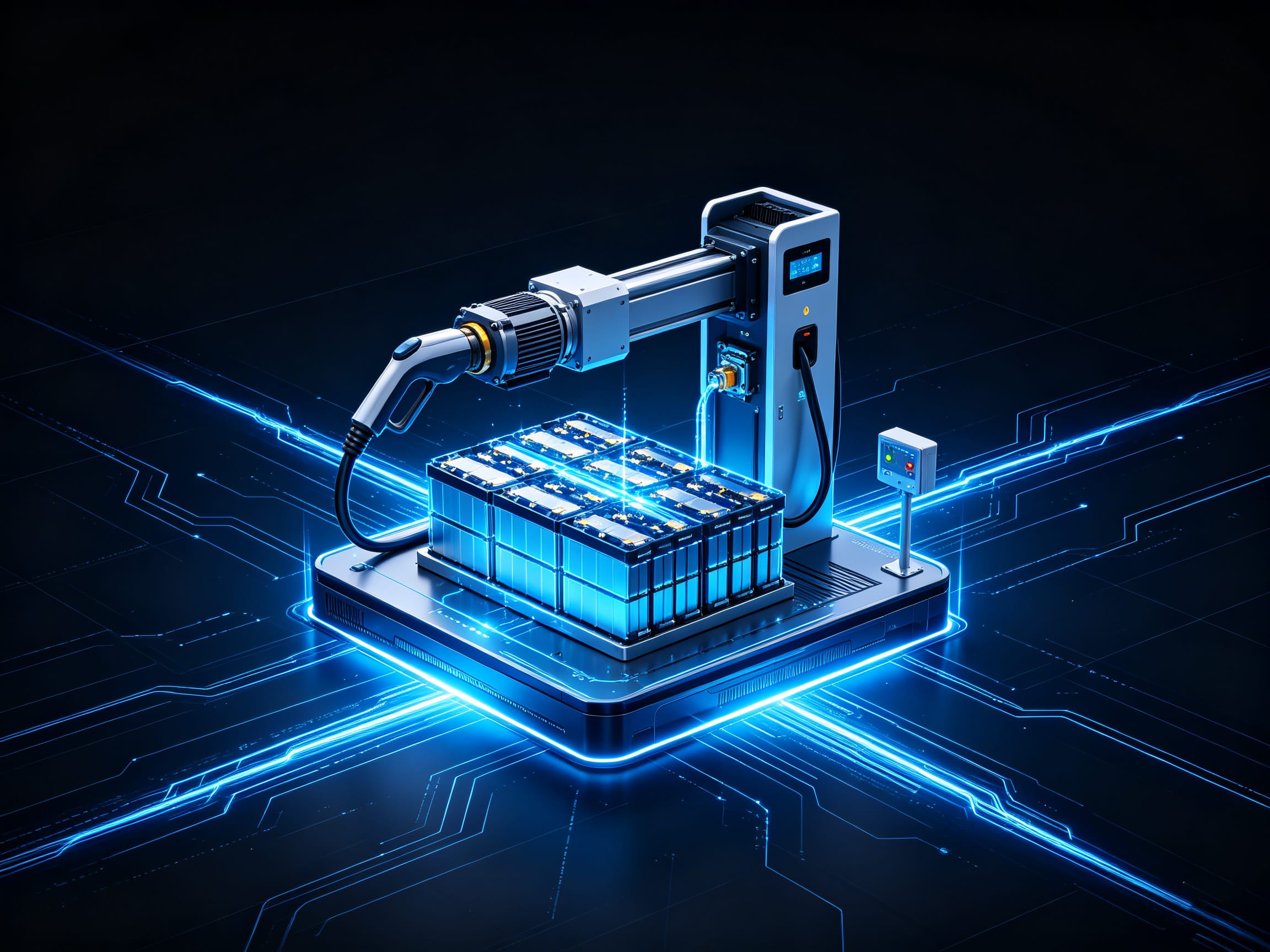
Utility-scale battery energy storage systems combine advanced battery cells with power conversion and energy management systems for automated grid stabilization.
Electrical engineers specializing in BESS control design algorithms that respond to frequency deviations, voltage fluctuations, and market signals in milliseconds. These systems perform ancillary services -- frequency regulation, spinning reserve, voltage support -- that were once the exclusive domain of fossil-fuel peaker plants.
The result? Cleaner, faster, and more cost-effective grid stabilization.
Distributed Energy Resources and the Decentralized Grid
The rise of distributed energy resources is arguably the most disruptive force in the power sector today. DERs include rooftop solar, community wind, small-scale hydro, microturbines, and behind-the-meter storage. Rather than flowing through high-voltage transmission lines, much of this generation now originates at the edge of the network -- in homes, commercial buildings, and industrial facilities.

Distributed energy resources connect rooftop solar, wind, and storage at the grid edge, enabling decentralized clean power generation and consumption.
This decentralization presents both opportunities and challenges:
Opportunities:
Reduced transmission losses and deferred infrastructure investments
Improved energy independence for communities and critical facilities
Faster recovery from grid outages through islanded microgrid operation
Lower carbon emissions from localized clean generation
Challenges:
Reverse power flows that can overvolt distribution feeders
Protection coordination issues with legacy relay settings
Visibility gaps for distribution system operators
Complex ownership models and regulatory frameworks
Electrical engineers address these challenges through advanced distribution management systems (ADMS), distributed energy resource management systems (DERMS), and bidirectional communication protocols. By aggregating thousands of DERs into virtual power plants (VPPs), engineers enable small assets to participate in wholesale markets and provide grid services collectively.
EV Charging Infrastructure: The New Load and the New Resource
Electric vehicles represent a dual paradigm shift for the grid. On one hand, widespread EV adoption adds substantial new electrical load. A single DC fast charger can draw 150 kW or more -- equivalent to dozens of homes. Unmanaged, clusters of fast chargers could overload local transformers and create voltage sags.
On the other hand, vehicle-to-grid (V2G) and vehicle-to-load (V2L) technologies transform EVs into mobile energy storage assets. With the right charging infrastructure and control systems, a fleet of EVs can:
Absorb excess midday solar generation through smart charging
Discharge stored energy back to the grid during peak demand periods
Provide frequency regulation and demand response services
Serve as backup power for homes and critical facilities during outages

Vehicle-to-grid (V2G) technology transforms electric vehicles into mobile energy storage assets that support grid stability and demand response programs.
Designing this infrastructure requires multidisciplinary expertise. Electrical engineers must size transformers, design protection schemes, and develop communication interfaces between chargers, vehicles, and grid operators. They must also ensure cybersecurity, since EV charging networks are among the most exposed distributed control systems on the grid.
Grid Automation: The Invisible Engine of Reliability
Modern grid automation extends far beyond SCADA. Today's systems incorporate:
Machine learning models that predict equipment failures before they occur
Self-healing networks that reroute power around faults automatically
Digital twins that simulate grid behavior under thousands of scenarios
Advanced metering infrastructure (AMI) that provides sub-minute visibility into consumption patterns

Self-healing grid automation uses machine learning and digital twins to detect faults and automatically reroute power, ensuring uninterrupted electricity delivery.
For electrical engineers, this means mastering not only traditional power system analysis but also software development, data science, and cybersecurity. The boundaries between power engineering and IT are dissolving. The most effective grid modernization teams now include software engineers, data analysts, and control theorists working alongside relay technicians and substation designers.
Conclusion: The Engineering Imperative
The clean energy transition is not a distant policy aspiration. It is an infrastructure project of unprecedented scale, and it is happening now. Every gigawatt of solar and wind capacity, every megawatt-hour of battery storage, every EV on the road -- all of it depends on a grid that is intelligent, automated, and resilient.
Electrical engineers are the professionals who make this possible. They design the inverters that synchronize renewables to the grid. They program the control systems that balance millions of devices in real time. They protect the cyber-physical systems that underpin modern life. Without their expertise, the clean energy transition stalls.
For utilities, developers, and policymakers, the path forward is clear: invest in smart grid infrastructure, deploy energy storage automation at scale, integrate DERs through robust control platforms, and build EV charging networks that are grid-aware from day one. The technology exists. The engineering talent exists. What remains is the urgency to act.
If your organization is planning a grid modernization initiative, a BESS deployment, or a DER integration strategy, now is the time to engage experienced electrical engineering teams. The grid of the future will not build itself -- but with the right expertise, it will be cleaner, smarter, and more reliable than anything that came before.