What is a hybrid stepper motor?
Introduction

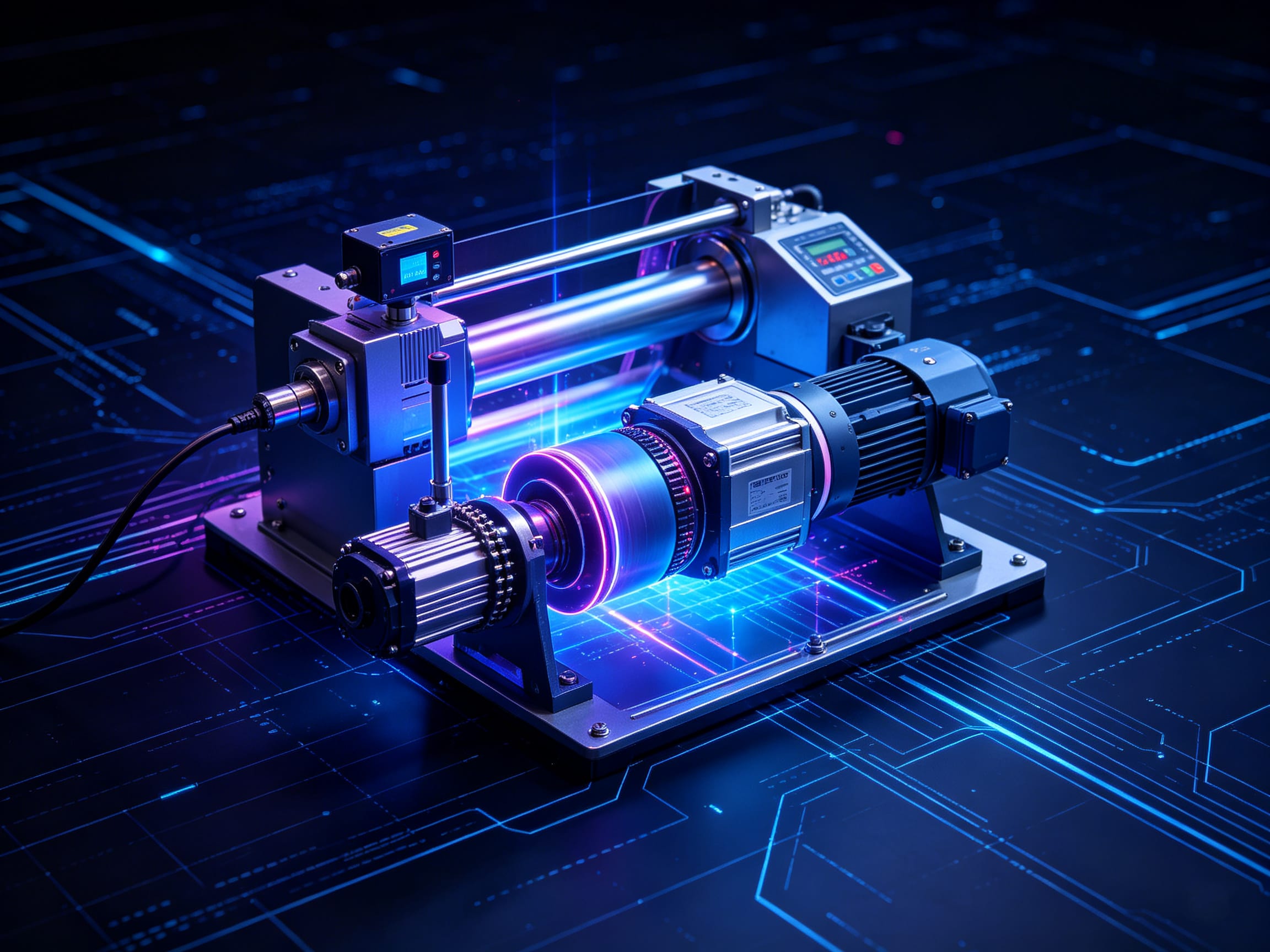
In the world of motion control, the stepper motor is a fundamental component that converts electrical pulses into precise mechanical rotations. Among various types, the hybrid stepper motor stands out as the most widely used design in industrial and consumer applications. It combines the best features of permanent magnet (PM) and variable reluctance (VR) stepper motors, offering high torque, fine resolution, and excellent dynamic performance.
This article answers the question “What is a hybrid stepper motor?” by exploring its construction, advantages, common applications, and why it dominates the stepper motor market.
Definition and Basic Concept
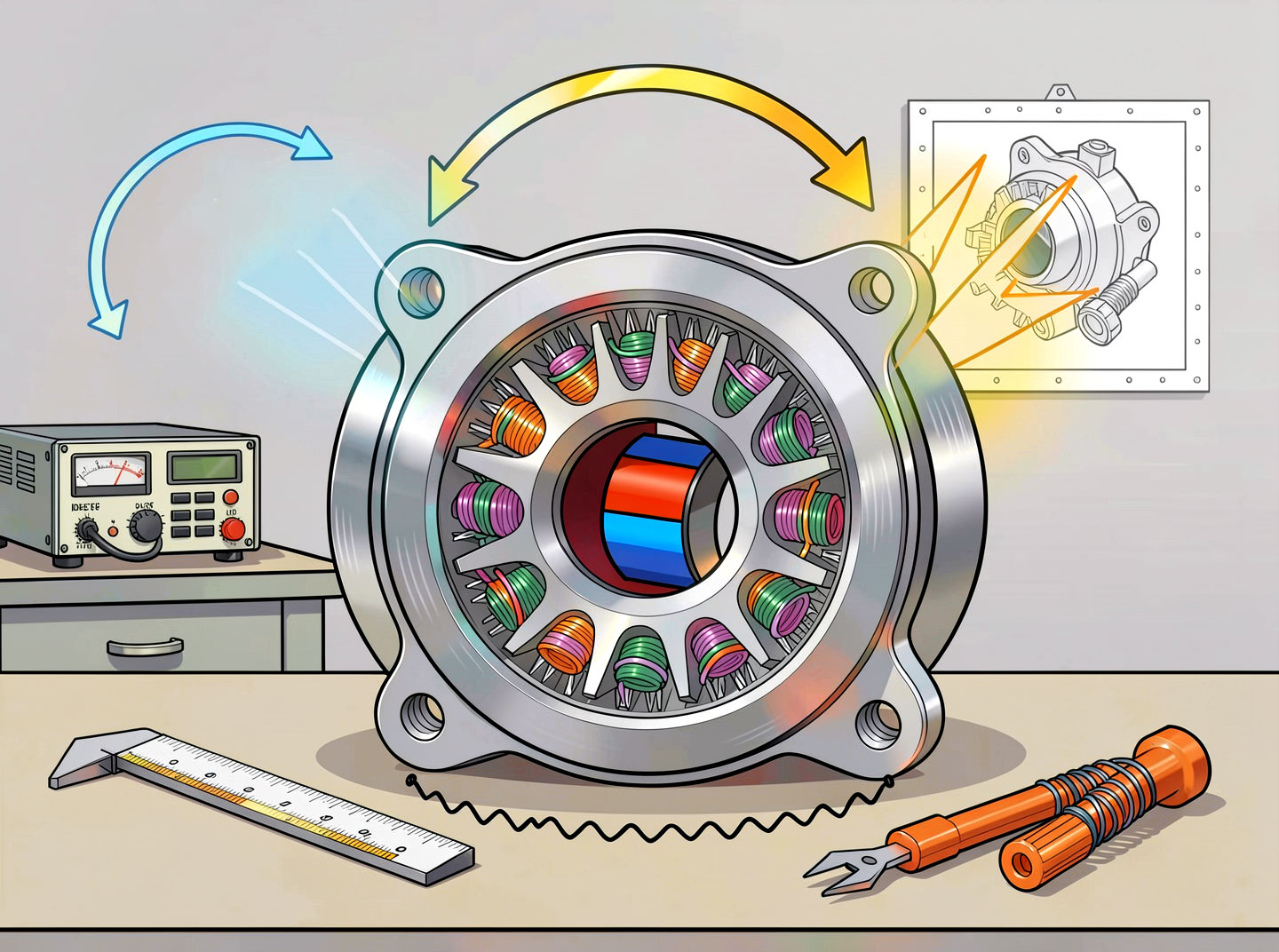
A hybrid stepper motor is an electromechanical device that integrates a permanent magnet rotor with a toothed structure similar to a variable reluctance motor. It uses both magnetic flux from permanent magnets and reluctance torque caused by the alignment of iron teeth. This hybrid design achieves much smaller step angles (typically 0.9° or 1.8°) compared to other stepper motor types, resulting in higher positioning accuracy.
Key differentiator: Unlike simple permanent magnet stepper motors, a hybrid stepper motor has no residual torque when de‑energized and provides higher torque‑to‑inertia ratio.
Construction of a Hybrid Stepper Motor

Understanding the construction is essential to grasp how a hybrid stepper motor works. Below are the main components:
Rotor
Made of two cup‑shaped stacks (rotor cups) separated by a permanent magnet axially magnetized.
Each cup has teeth on its periphery. The teeth of the two cups are offset by half a tooth pitch.
The magnet creates north and south poles along the rotor axis.
Stator
Contains multiple poles (typically 8 poles for a 1.8° motor) with teeth on each pole.
Windings are placed on these poles and grouped into phases (e.g., 2‑phase, 4‑phase).
The stator teeth align with rotor teeth when a phase is energized.
End bells and bearings
Support the rotor shaft and house the stator assembly.
Permanent magnet
Usually a rare‑earth magnet (e.g., Neodymium) embedded axially between the two rotor cups.
The following table summarizes typical specifications of a common hybrid stepper motor (size NEMA 17):
ParameterValueStep angle1.8°Number of rotor teeth50Number of stator poles8Phases2Holding torque (typical)0.3 – 0.5 N·m
How It Differs from Other Stepper Motors
While all hybrid stepper motors are stepper motors, not all stepper motors are hybrids. Here is a quick comparison with the two other main types:
FeaturePermanent magnet stepper motorVariable reluctance stepper motorHybrid stepper motorRotor constructionPermanent magnetToothed soft‑iron rotorToothed rotor + axial magnetStep angle7.5° – 15° (large)5° – 15°0.9° – 3.6° (typically 1.8°)Torque at high speedsLowModerateHighDetent torque (unpowered)YesNoLowCostLowMediumMedium to high
The hybrid stepper motor clearly offers the best resolution and torque performance, which explains its dominance in CNC machines, 3D printers, and robotics.
Advantages of Hybrid Stepper Motors
High step resolution – Step angles as low as 0.9° enable precise positioning without a gearbox.
Excellent torque at low and medium speeds – Ideal for direct‑drive applications.
Low vibration and noise – Due to optimized magnetic circuit design.
High holding torque – Even when stationary, it resists external loads.
Wide range of sizes – From NEMA 8 (20 mm) to NEMA 42 (110 mm) frame sizes.
Disadvantages
Higher cost than permanent magnet stepper motors.
More complex drive electronics often required for microstepping.
Heat generation at standstill (solved by current reduction modes in drivers).
Common Applications

Because of its balanced performance, the hybrid stepper motor is found in:
3D printers (X/Y/Z axis drives)
CNC routers and milling machines
Medical syringe pumps and imaging equipment
Textile machinery
Office automation (scanners, photocopiers)
Robotics (joint actuation, grippers)
Automotive (throttle control, headlight leveling)
Conclusion
A hybrid stepper motor is the preferred choice when high precision, good torque, and reliability are required. By merging permanent magnet and variable reluctance principles, it overcomes the limitations of basic stepper motor designs. Whether you are building a desktop 3D printer or an industrial pick‑and‑place machine, understanding “what is a hybrid stepper motor” helps you select the optimal motion control solution.